Chhath Puja Samagri List 2026 (PDF Checklist) & Authentic Thekua Prasad Recipe
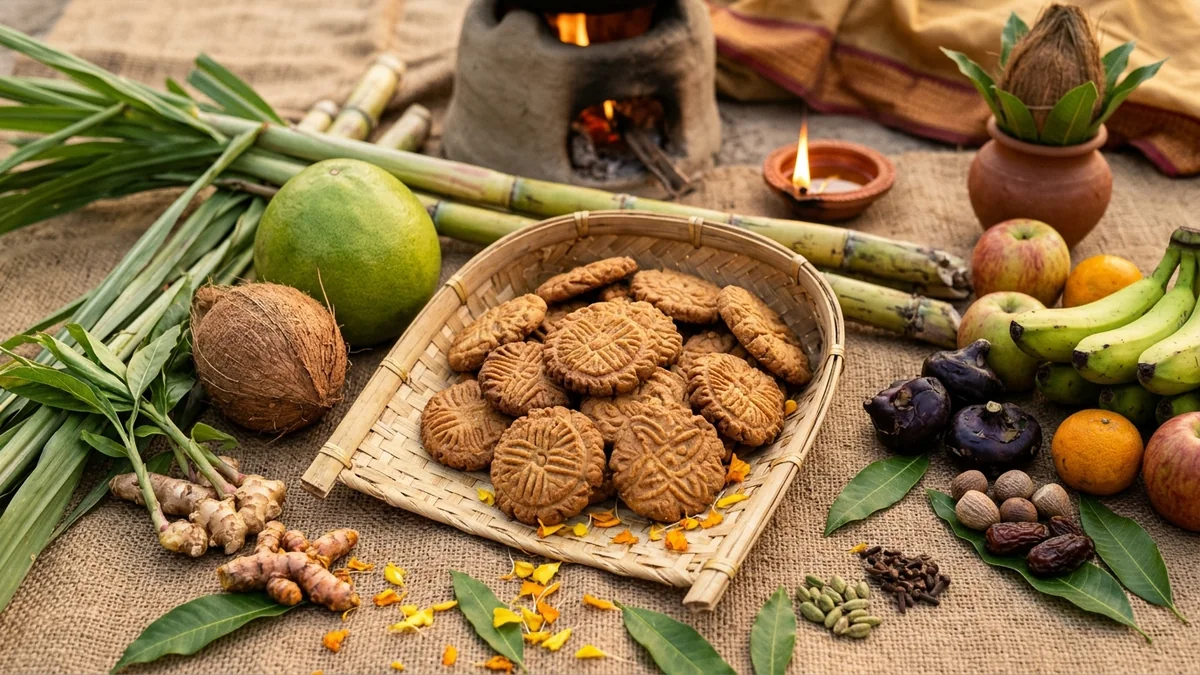 AI-generated illustration
Chhath Puja 2026 (Nahay-Khay to Paran) has concluded. This article is preserved for ritual, cultural, and spiritual reference. To explore upcoming festivals and auspicious muhurats, check the links below:
KEY HIGHLIGHTS
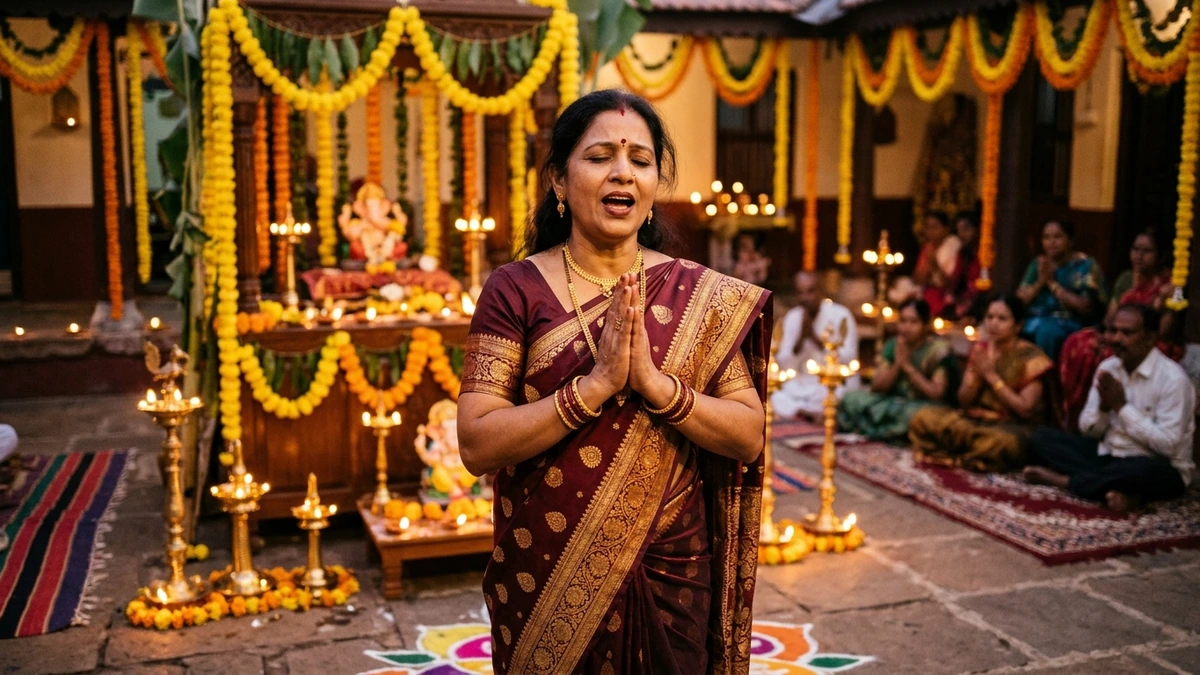
Chhath Puja, the grand festival of faith, embodies deep devotion to nature and the Sun God. Central to its rituals are bamboo baskets, seasonal fruits, and pure offerings. Devotees prepare traditional khasta thekua on earthen stoves, an act of spiritual purity dedicated to Chhathi Maiya, reflecting profound reverence and soulful connection.
Chhath Puja Samagri List (Chhath Puja Essentials & Thekua Recipe): The great festival of folk faith, Chhath Puja, is a celebration entirely dedicated to nature, the environment, and spiritual purity. Every item used in Chhath - whether it is the bamboo soop (winnowing basket), daura (bamboo basket), clay stove, or fresh turmeric harvested from the fields is directly connected to nature. The use of any artificial or impure materials in Chhath Puja rituals is strictly prohibited.
Table of Contents
If you are celebrating this grand festival at home this year, it is essential to prepare a complete checklist of your soop and daura before heading to the market so that no sacred item is missed at the last minute. In this comprehensive guide, we provide you with a complete list of 35+ essential items for your soop and daura, their scriptural significance, and the authentic method for preparing the festival's main prasad: traditional crispy Thekua and Kasar.
Chhath 2026 Master Calendar: To know the exact dates and Panchang timings for all four days (Nahay-Khay, Kharna, Sandhya, and Usha Arghya), read our main article: Chhath Puja 2026: 4-Day Schedule from Nahay-Khay to Usha Arghya
1. Essential Bamboo and Brass Vessels (Basket & Utensils Checklist)
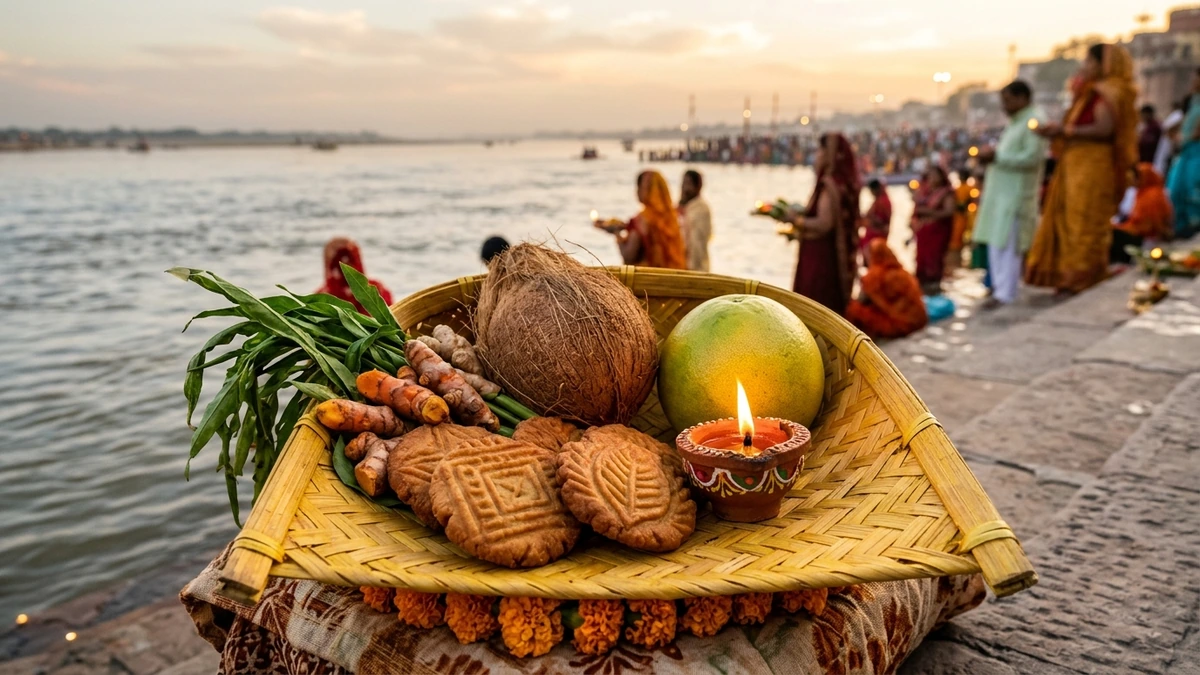
Bamboo vessels hold special significance in the Chhath festival. Bamboo is considered a symbol of lineage growth, simplicity, and environmental purity:
| Item Name | Quantity | Religious & Practical Significance |
|---|---|---|
| Large Bamboo Daura (Basket) | 1 or 2 | Used to carry offerings to the riverbank (ghat), holding all soops, fruits, and Thekua prasad. |
| Bamboo Soop | 2 to 5 (as per capacity) | The primary sacred vessel used to offer Arghya to the Sun God. |
| Brass Soop | 1 (Optional but auspicious) | In many families, a pure brass soop is used for Arghya according to family tradition. |
| Copper or Brass Lota (Pot) | 1 or 2 | Used to offer Arghya of raw milk and Gangajal to the Sun God. |
| New Clay Stove | 1 | Used to prepare the sacred Kharna Kheer and Thekua prasad. |
| Dried Mango Wood | 5 to 10 kg | Sacrificial and medicinal wood, the smoke of which purifies the environment. |
2. Fruits & Natural Offerings
The most distinctive feature of Chhath Puja is the offering of seasonal tubers, roots, and fruits provided by nature during the autumn season:
- Dabh Nimbu (Large Pomelo/Citron): A large, round citrus fruit with leaves, considered a favorite of Chhathi Maiya.
- Sugarcane with leaves: 5 or 7 stalks, used to build the 'Kosi' at the ghat and placed with the soop during Arghya.
- Whole bunch of Bananas: A large cluster of raw or ripe bananas, symbolizing prosperity.
- Coconut: Whole, dry, and fresh coconuts with husks, filled with water.
- Water Chestnut (Singhara): A sacred fruit that grows in water.
- Suthni and Sweet Potato (Kand-Mool): Sattvic tubers that grow underground.
- Fresh Turmeric and Ginger plant: Fresh plants with leaves and roots intact.
- Custard Apple (Sharifa), Apples, Oranges, Guavas, and Pomegranates.
- Boda (Long beans) and Betel nuts.
3. Puja, Diya & Shringar Items
The following items are necessary for decorating the soop and performing rituals at the ghat:
- Sindoor and Roli: Traditional yellow and deep orange vermilion (applied from the nose to the hairline).
- Akshat: Whole, unbroken raw rice.
- Whole Betel leaves and round Betel nuts: 11 or 21 pieces.
- Clay Diyas (with lids): 21 to 51 diyas, used for lighting at the ghat and for the Kosi ritual.
- Chaumukh Diya (Four-faced lamp): Placed in the soop and atop the Kosi.
- Pure Cow Ghee: For lighting lamps and frying Thekua.
- Camphor, Incense sticks (Agarbatti), and Dhoop.
- Cotton wicks and Kalava (sacred thread).
- New red or yellow cotton cloth: To cover the soop and tie around the daura.
- Raw cow milk and Gangajal: To be added to the Arghya pot.
4. Authentic Recipe for Traditional Crispy Thekua
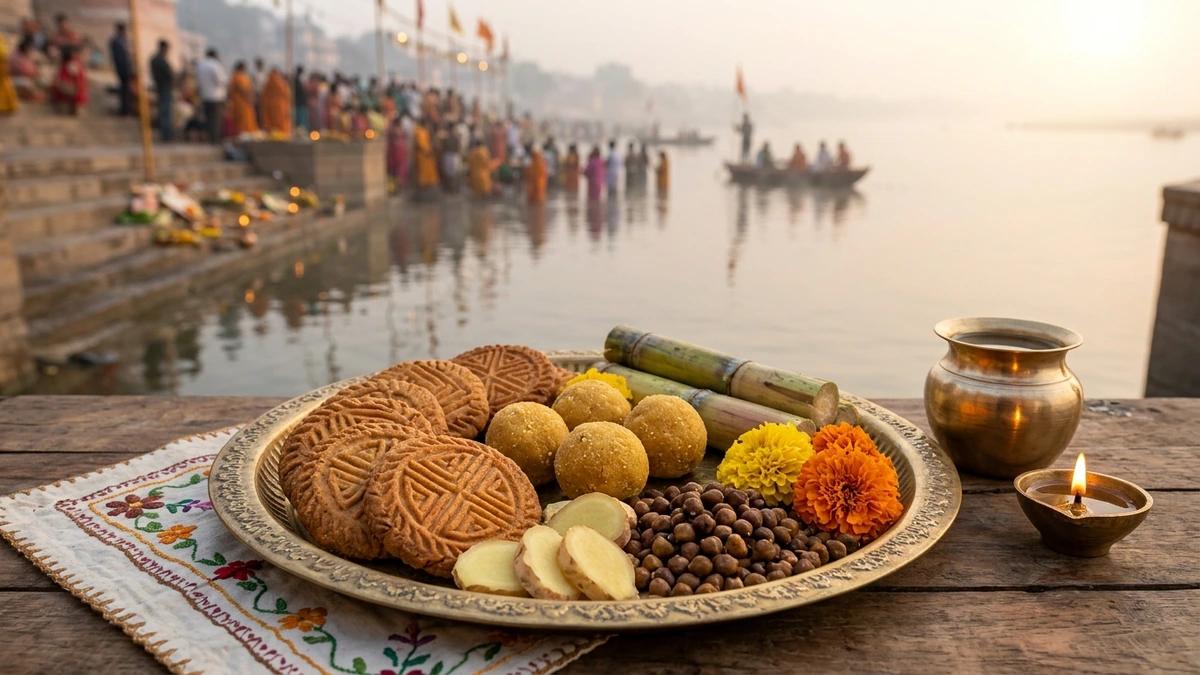
The grand prasad of Chhath, Thekua (Khajur), is not just a sweet; it is the embodiment of spiritual purity and devotion. Strict rules of sanctity are followed while preparing Thekua:
Ingredients Ratio:
- Wheat flour (washed, dried, and milled with purity) - 1 kg
- Desi Jaggery (finely chopped or grated) - 400 to 500 grams
- Pure Cow Ghee (for shortening/moyan) - 150 to 200 grams
- Fennel seeds (Saunf) - 2 tablespoons
- Green Cardamom (coarsely crushed) - 1 teaspoon
- Dry Coconut (finely chopped) - 1/2 cup
- For frying - Pure Desi Ghee (as required)
Step-by-Step Method:
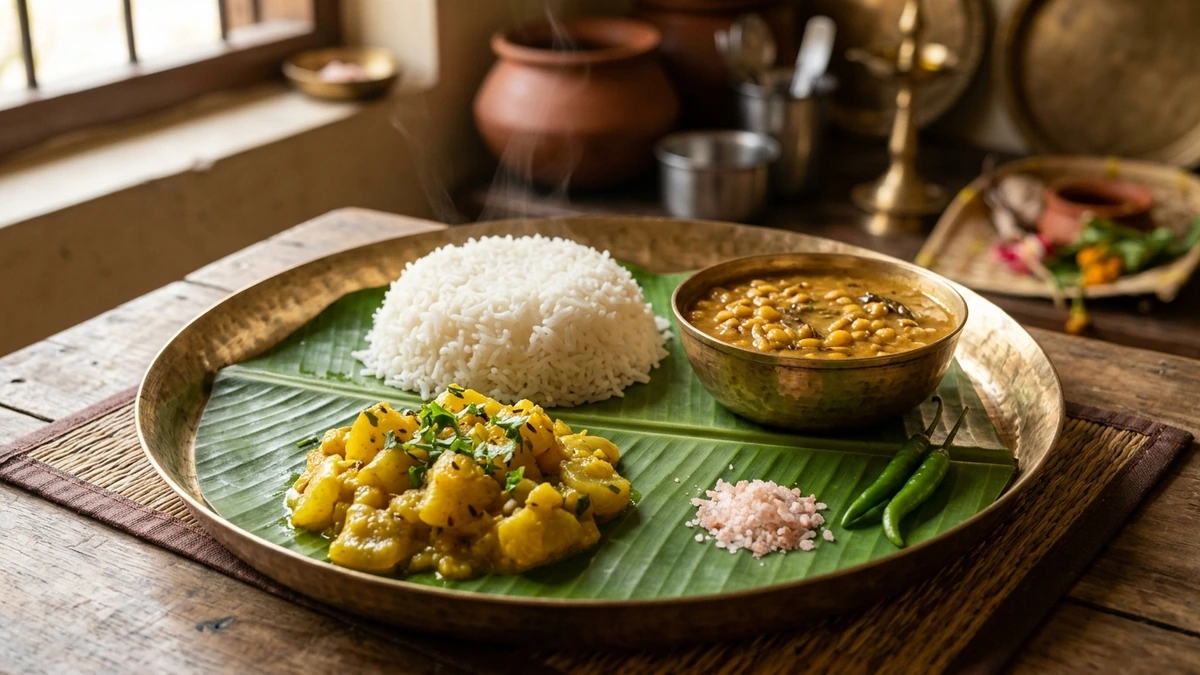
- Prepare Jaggery Water: Dissolve the jaggery in half a cup of lukewarm water. Strain it to remove any impurities. Ensure you do not make a thick syrup; just melt the jaggery.
- Adding Moyan (The most important step): Take wheat flour in a large plate (parat). Add fennel, crushed cardamom, and chopped coconut. Now, add the lukewarm melted ghee. Rub the flour and ghee with both hands until the mixture holds its shape when pressed into a fist. The better the moyan, the crispier the Thekua will be.
- Kneading a stiff dough: Gradually add the jaggery water to prepare a stiff dough. The dough for Thekua should not be kneaded soft like roti; it should only be bound together. If the dough becomes too wet, the Thekua will not be crispy.
- Shaping on the mold: Make small balls from the dough. Lightly grease the traditional wooden Thekua mold and press the dough ball onto it to create beautiful leaf or wheel patterns.
- Frying on low heat: Heat ghee in a brass or iron kadhai on a clay stove. Keep the flame low to medium. Fry the Thekua one by one until they turn golden brown on both sides.
- Cooling and decorating: Thekua remains slightly soft immediately after frying but becomes perfectly crispy once exposed to air. Once completely cooled, arrange them in the sacred bamboo soop.
5. Method for making Rice Kasar (Bhuswa)
Along with Thekua, it is a mandatory tradition to include Kasar made from rice flour in the bamboo soop. New raw rice is washed, dried, and ground coarsely. The rice flour is roasted in a kadhai with a little ghee until it releases a pleasant aroma. Then, a single-thread jaggery syrup, fennel, and crushed cardamom are added to form round laddus.
RECOMMENDED READS



6. Chhath Shopping and Preparation Checklist Table
| Preparation Stage | Date & Day | Tasks to Complete |
|---|---|---|
| Market Shopping | 2 days before Nahay-Khay | Soop, Daura, clay stove, mango wood, diyas, brass utensils. |
| Wheat Washing & Drying | Day of Nahay-Khay | Wash wheat and dry it on a clean cloth in the sun (guarding against birds). |
| Fresh Fruit Shopping | Morning of Kharna | Dabh Nimbu, sugarcane, banana bunch, Singhara, Suthni, ginger-turmeric plants. |
| Thekua & Kasar Making | Afternoon of Sandhya Arghya | Prepare Thekua and Kasar with purity while singing traditional songs and decorate the soop. |
Other Essential Guides for Chhath Puja 2026:
- Exact Arghya Timing: For sunset and sunrise Arghya timings in your city (Patna, Delhi, Ranchi, Lucknow), see: Chhath Puja 2026 Accurate Arghya Timings (City-wise Table)
- Vrat Katha & Rules: For the mythological story of King Priyavrat and the 10 most difficult rules, read: Chhath Puja Vrat Katha, Mythological Significance, and Rules