Igaas Bagwal 2026 Date: Uttarakhand Boodhi Diwali, Public Holiday & Bhailo History
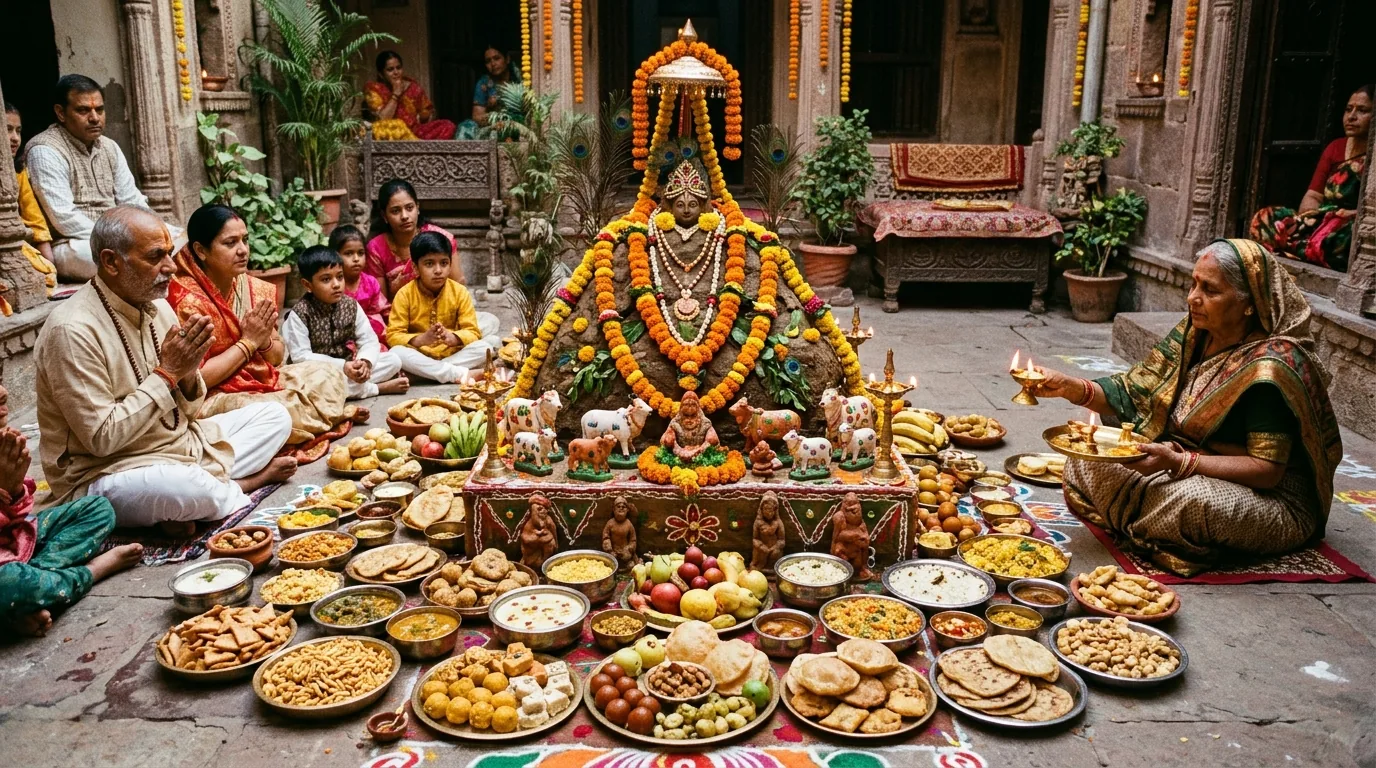
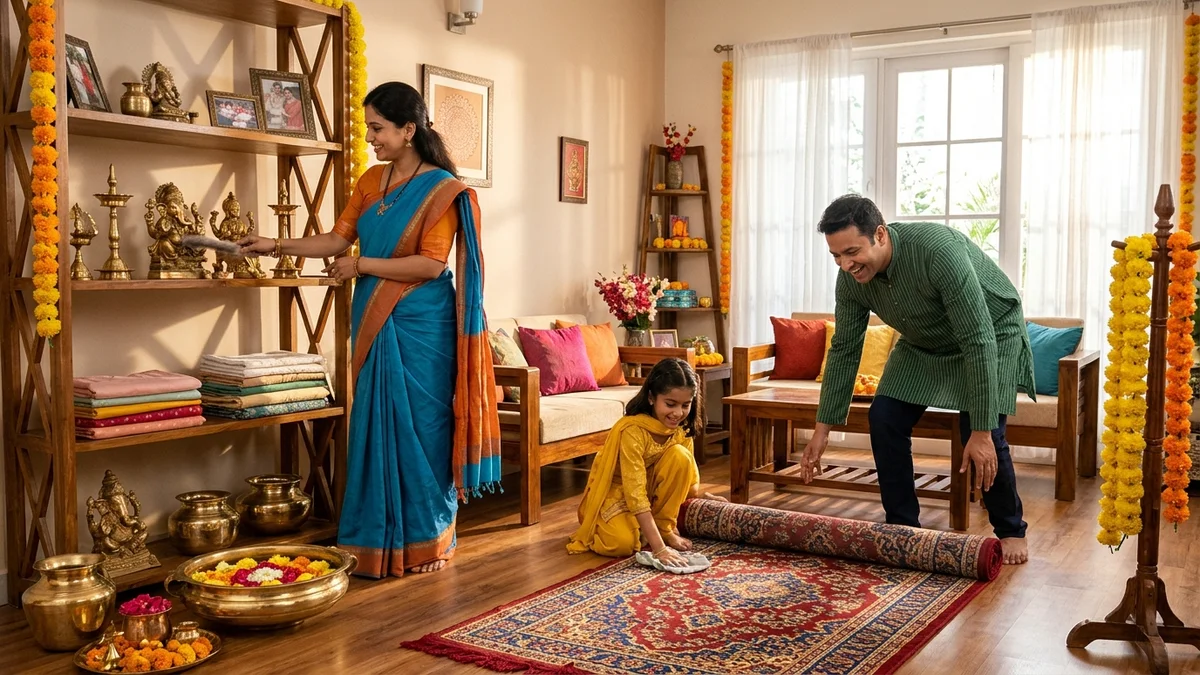
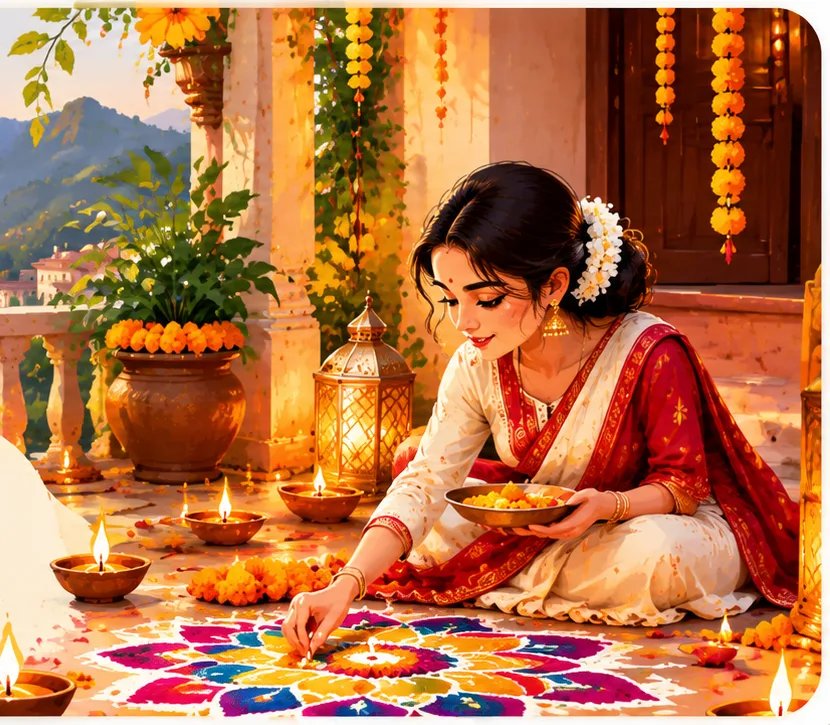
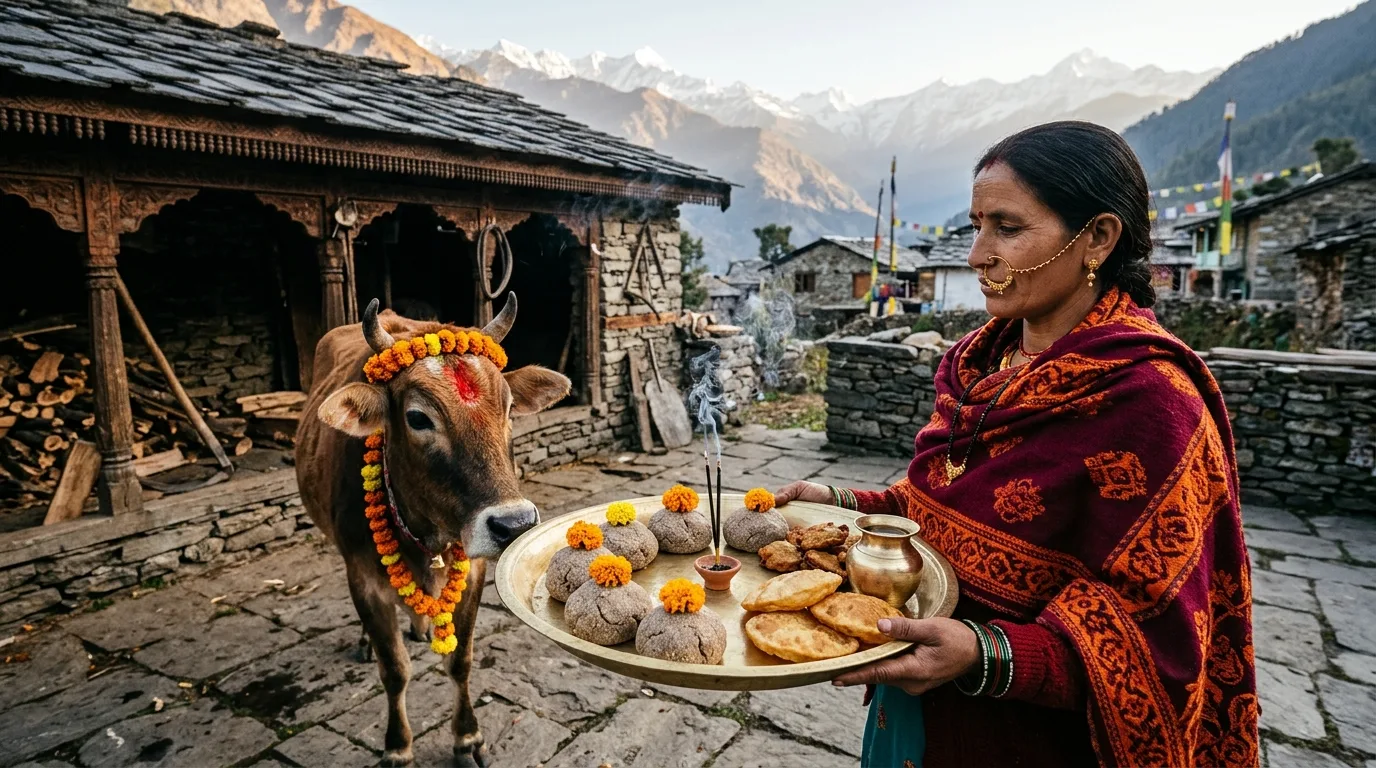
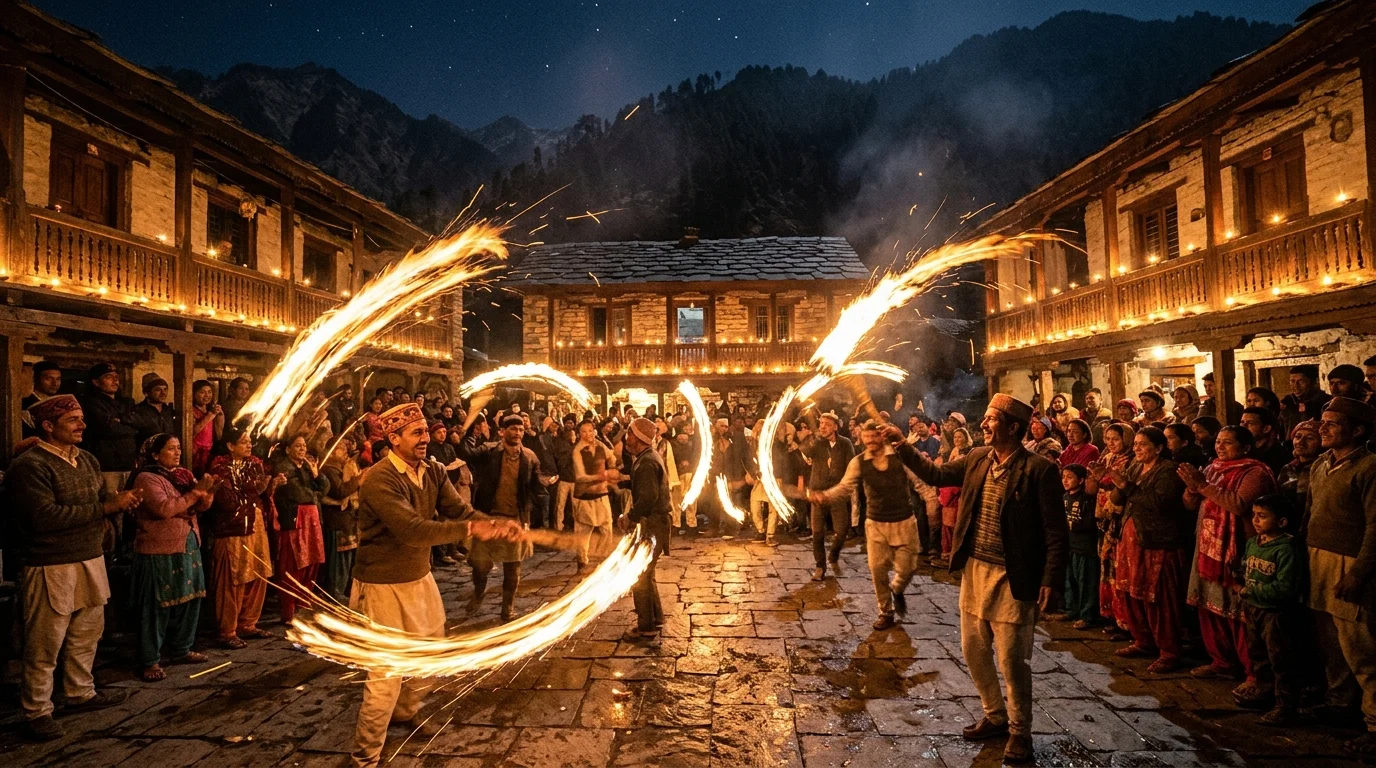 AI-generated illustration
KEY HIGHLIGHTS
When is Igaas Bagwal 2026? Uttarakhand celebrates Boodhi Diwali on 21 November 2026. Discover the public holiday status, the legendary tale of Veer Madho Singh Bhandari, and the unique ritual of playing Bhailo.
Quick Answer: When is Igaas Bagwal 2026 & Public Holiday Status?
In 2026, Uttarakhand's cherished cultural festival Igaas Bagwal (Boodhi Diwali) will be celebrated on 21 November 2026 (Saturday) across Garhwal and Kumaon. It is traditionally observed exactly 11 days after Diwali on Kartik Shukla Ekadashi (Dev Uthani Ekadashi).
Table of Contents
📌 Uttarakhand Public Holiday Status: To celebrate and preserve the Himalayan state's distinctive cultural identity, the Government of Uttarakhand designates Igaas Bagwal as an official state public holiday, keeping government offices, educational institutions, and banks closed.
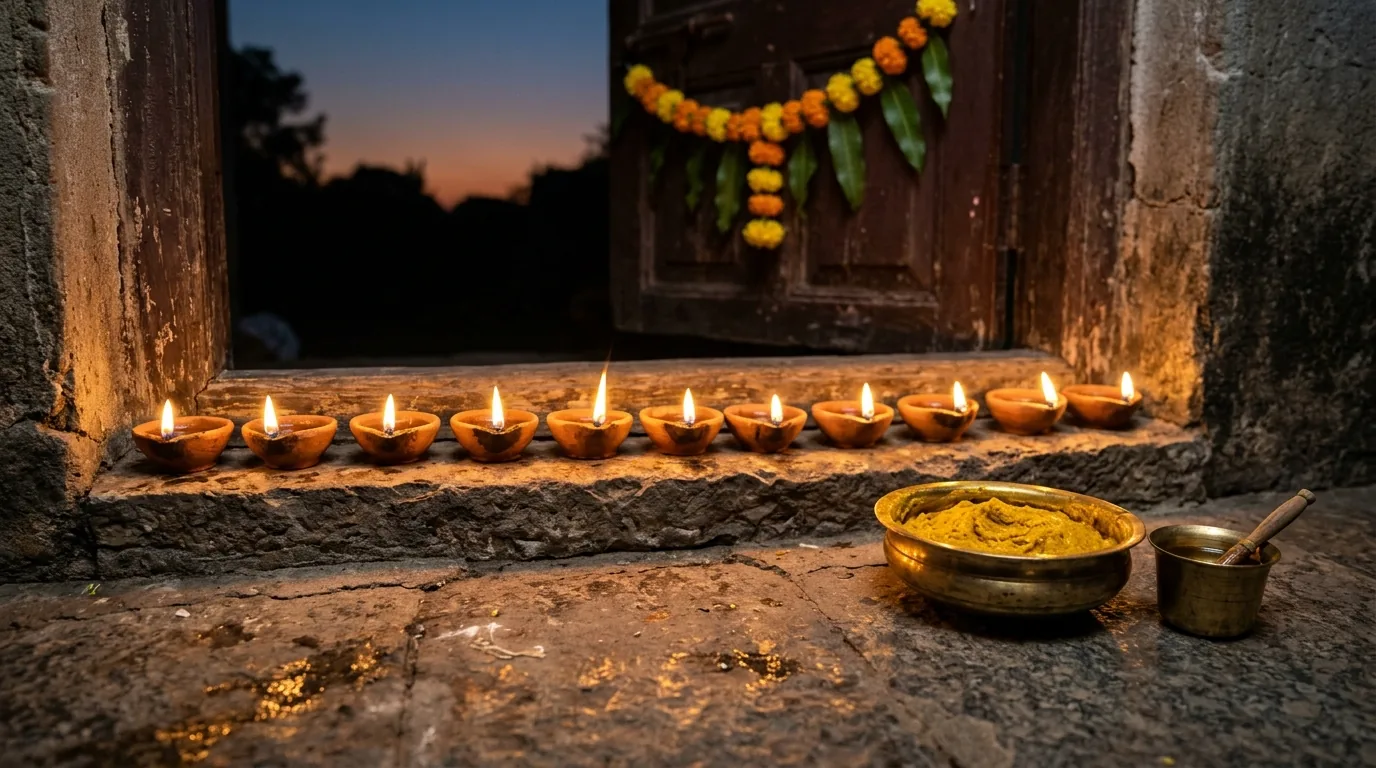
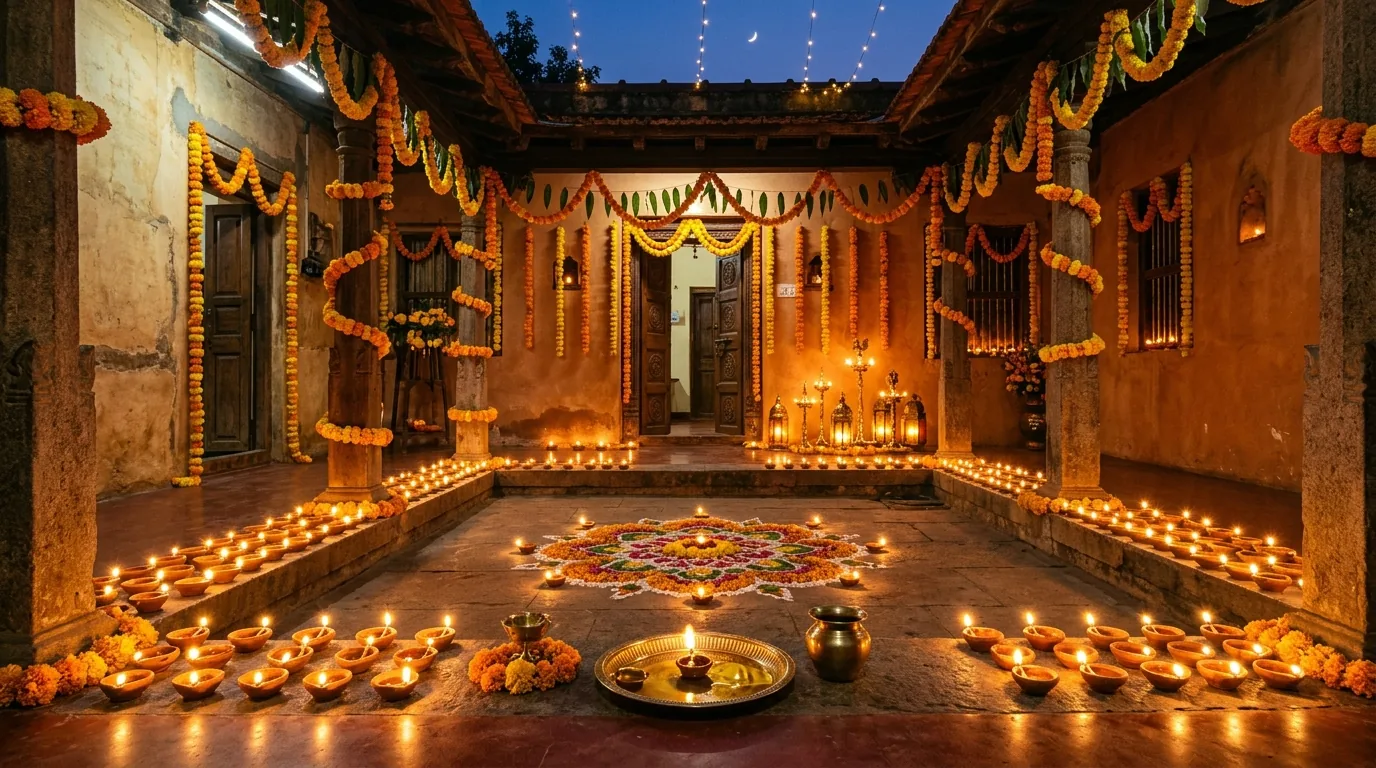
Amidst the serene valleys and snow-capped peaks of Devbhoomi Uttarakhand, as the biting chill of the month of Kartik arrives, a folk festival illuminates the courtyards of the mountains with a radiance distinct from the rest of the country. This is Igaas Bagwal, affectionately and proudly called 'Budhi Diwali' (Old Diwali) or 'Pahadi Diwali' by the locals. While the rest of the nation returns to its daily routine after celebrating Diwali, exactly 11 days later on Kartik Shukla Ekadashi (Hari Prabodhini or Devutthana Ekadashi), the rhythm of Dhol-Damau echoes through the villages of Uttarakhand. The golden embers of 'Bhailo'—made from fragrant pine resin—dance in the silence of the night, and the aroma of hot Swale-Pakoras begins to waft from every Pahadi hearth.
Igaas Bagwal 2026: Complete Panchang and Details at a Glance
| Igaas Bagwal Date (2026) | November 21, 2026 (Saturday) |
| Traditional Hindu Tithi | Kartik Month, Shukla Paksha Ekadashi (Hari Prabodhini / Devutthana Ekadashi) |
| Popular Local Names | Igaas Bagwal, Budhi Diwali, Pahadi Ekadashi Diwali, Dapa Victory Festival |
| Major Folk Ritual | Swinging the pine torch 'Bhailo' (Bhailo Bagwali), Gau-Pujan (Cattle Worship), Chonfla-Jhumailo Dance |
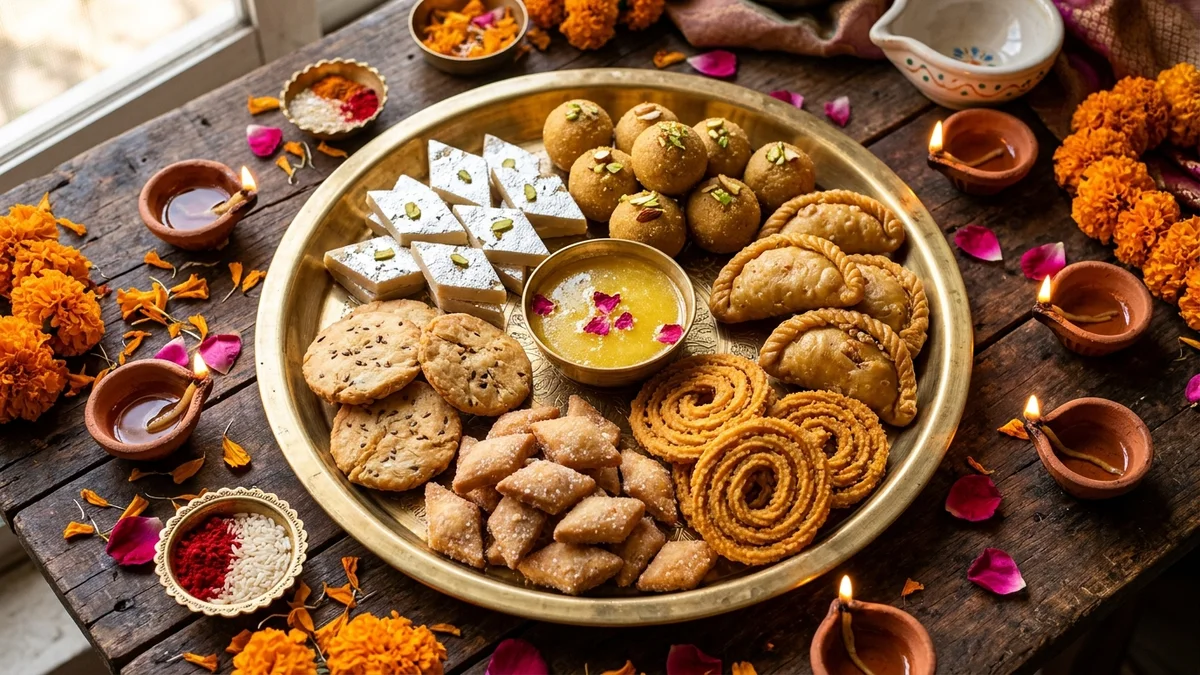
| Traditional Pahadi Dishes | Swale (Urad dal stuffed puri), Pakoras, Jhangora Kheer, Arsa, Meetha Rot |
| Major Regions | Garhwal, Kumaon (as Bagwal), Jaunsar-Bawar, and across Uttarakhand |
What is Igaas Bagwal and what does it literally mean?
In the local mountain dialect, the word 'Igaas' (Igaas) is a derivative of the Sanskrit word 'Ekadashi', meaning the eleventh day of the lunar month. Meanwhile, the word 'Bagwal' (Bagwal) is used in Uttarakhand for the festival of Deepawali. Thus, 'Igaas Bagwal' literally means—the Diwali celebrated on the day of Ekadashi.
In Uttarakhand, there has been a rich tradition of celebrating not just one, but four different Bagwals:
- Tulsi Bagwal (Govatsa Dwadashi): On Kartik Krishna Dwadashi, two days before the main Diwali.
- Chhoti Bagwal: On Naraka Chaturdashi (one day before Diwali).
- Badi Bagwal (Main Diwali): On Kartik Amavasya, when Goddess Lakshmi is worshipped.
- Igaas Bagwal (Budhi Diwali): On Kartik Shukla Ekadashi, which is the largest and most beloved collective folk festival in Uttarakhand.
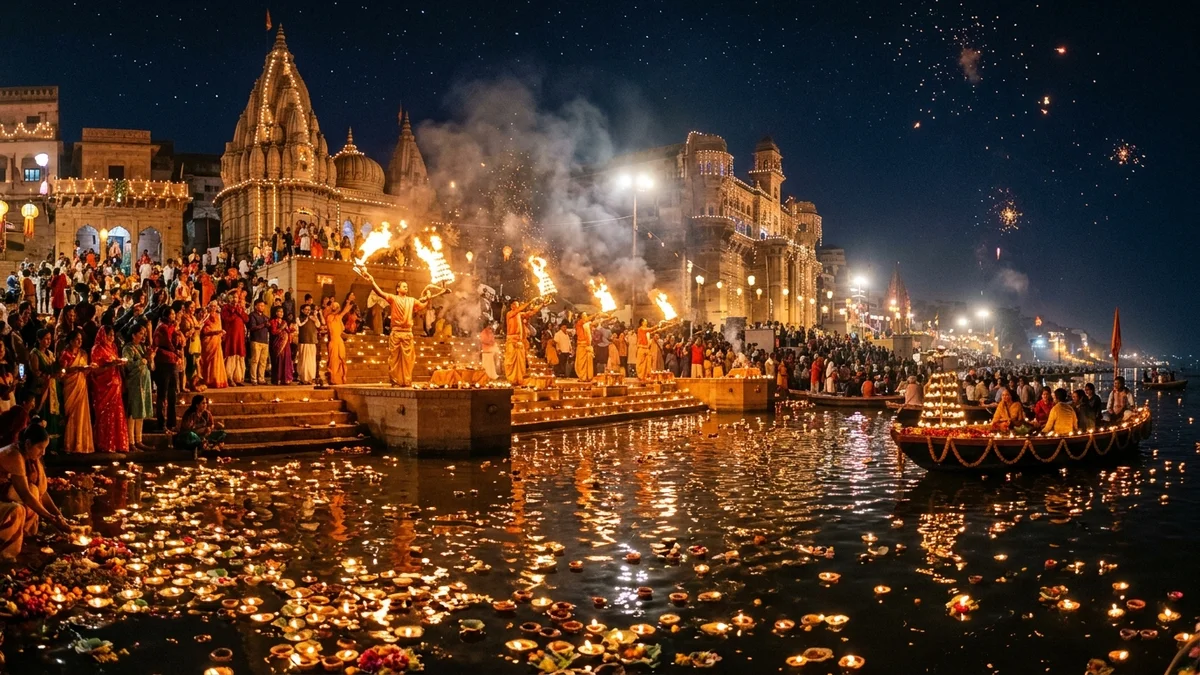
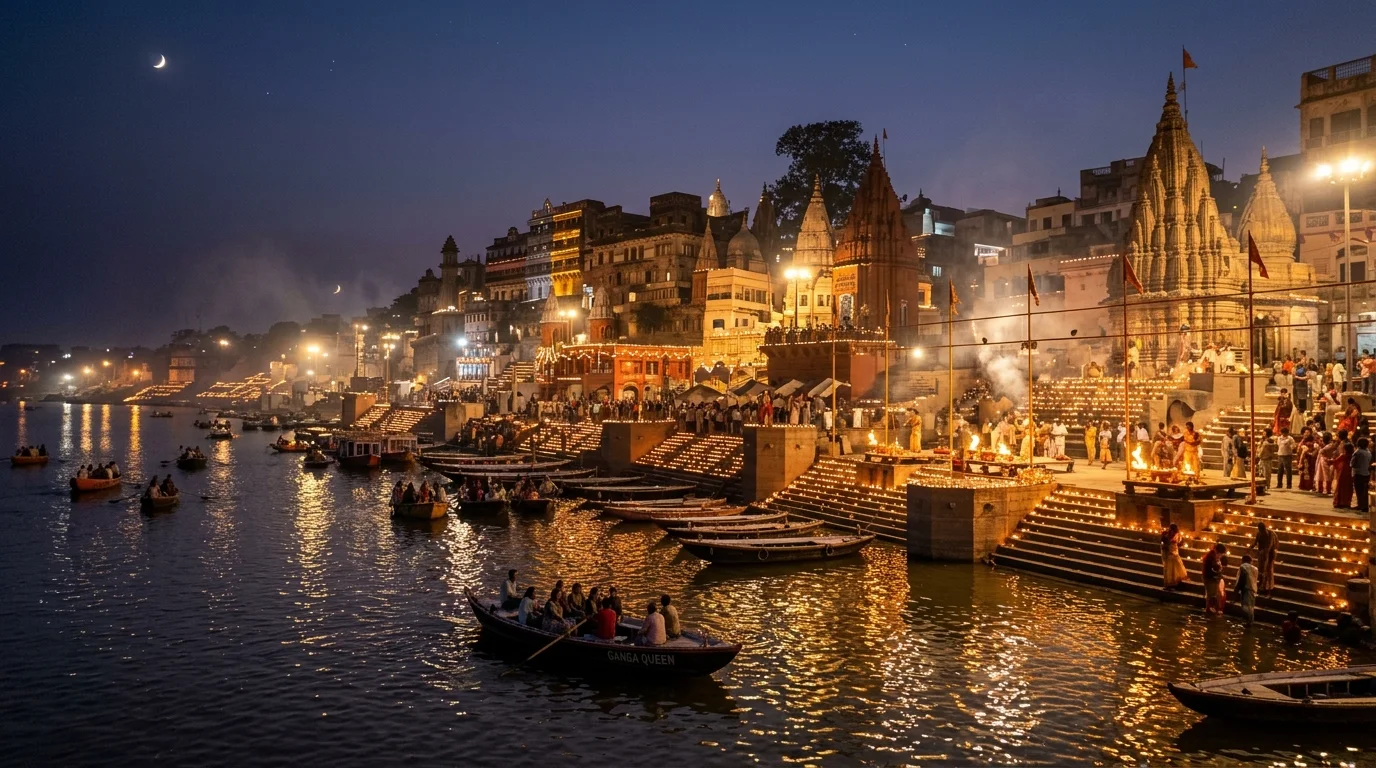
Religiously and culturally, the month of Kartik is considered the most sacred month for lighting lamps (Deepdan) in Sanatan tradition. While the main Diwali is celebrated on Kartik Amavasya and Uttarakhand's Igaas Bagwal on Ekadashi, exactly 4 days later on the auspicious occasion of Kartik Purnima, the grand festival of Dev Deepawali (Dev Deepawali) is celebrated with immense devotion and joy across the 84 ghats of Kashi.
Why is Igaas celebrated exactly 11 days after Diwali? (2 Immortal Historical and Mythological Legends)
People from the plains or other states are often surprised to learn why Diwali begins in the mountains 11 days after crackers have finished across the country. The history and folklore of Uttarakhand provide two very powerful, emotional, and authentic reasons for this:
1. Veer Madho Singh Bhandari's Tibet Victory and the Army's Safe Return
The most authentic historical connection of Igaas Bagwal is linked to the immortal 17th-century warrior of Garhwal, Madho Singh Bhandari. Madho Singh Bhandari was the commander-in-chief of King Mahipat Shah of the Tehri Kingdom, and was known as 'Garbhaganjan' (the one who shatters the pride of enemies) for his unparalleled bravery and tactical skills.
According to historians, when invaders from the Dapa region of Tibet were constantly attacking the borders of Garhwal, King Mahipat Shah ordered Madho Singh Bhandari to lead his brave mountain army into the fierce, snowy battle of Little Tibet (Dapa). Months passed, heavy snowfall began, and the day of Kartik Amavasya arrived—when the entire country was illuminated with the lights of Diwali 2026 (Diwali). However, no message came from the battlefield, nor did the army return.
A fear spread throughout Garhwal that their brave soldiers had attained martyrdom in battle. Deep mourning enveloped the state, and mothers, sisters, and wives did not light a single lamp for Diwali that year. But exactly 11 days later, on Kartik Shukla Ekadashi, Veer Madho Singh Bhandari suddenly arrived in Srinagar Garhwal with his army, accompanied by the victorious sounds of Dhol-Damau and the banner of complete victory over Tibet. In the immense joy of their warriors returning alive and victorious, the entire mountain region lit lamps in every home that night, swung the joyful 'Bhailo', and named it 'Igaas Bagwal'.
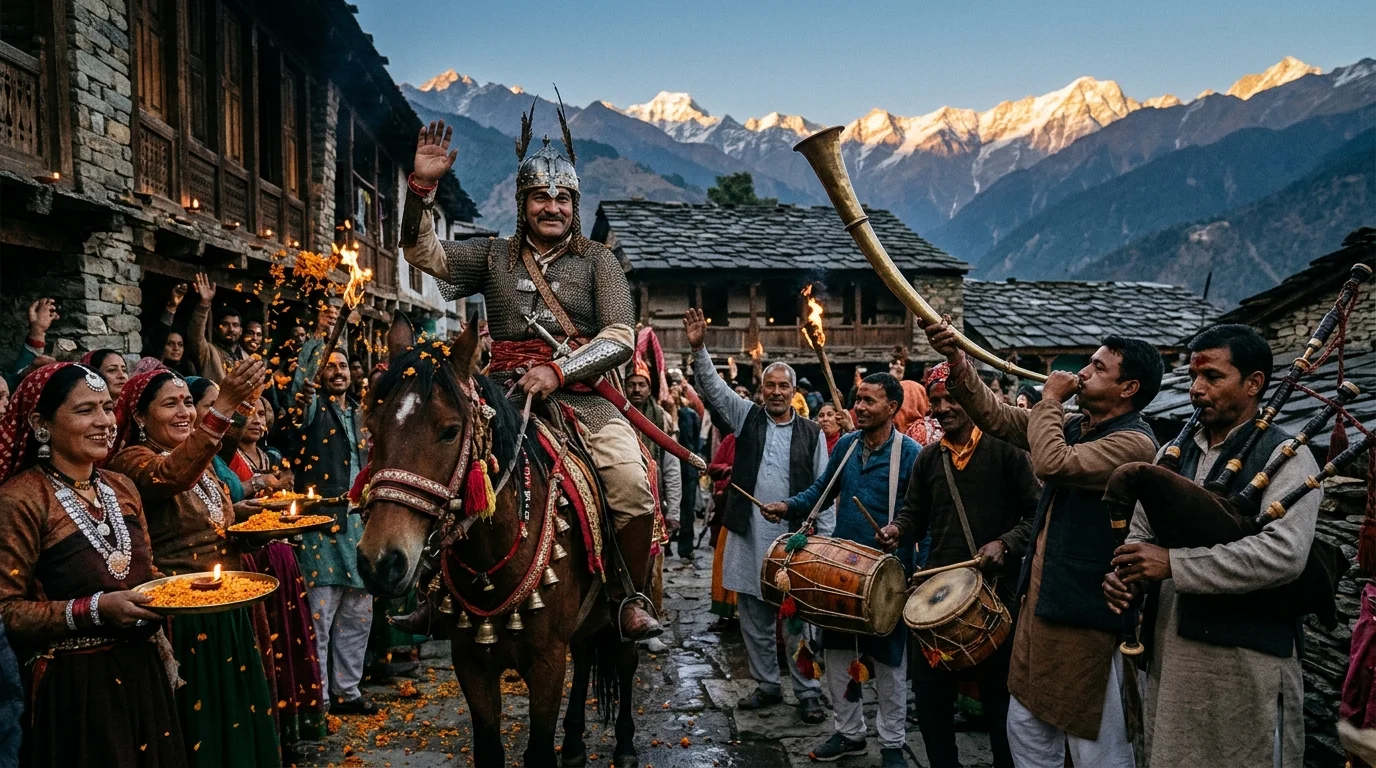
2. News of Lord Rama's Return to Ayodhya Reaching the Mountains 11 Days Late
According to mythological folklore, when Maryada Purushottam Lord Shri Ram returned to Ayodhya after 14 years of exile and the victory over Lanka, the entire Aryavarta welcomed him with rows of lamps. However, in those ancient times, there were neither modern communication methods nor easy roads. It took messengers (Harkaras) a full 11 days to cross the high Himalayan peaks, narrow passes, and dense forests to deliver the news from Ayodhya to the mountains. The day this news reached the mountain villages was the auspicious day of Kartik Shukla Ekadashi. In their joy at Lord Ram's return, the simple mountain folk began celebrating their Diwali that night by lighting lamps, a tradition that continues today as 'Budhi Diwali'.
What is 'Bhailo' and how is it played? (The Thrilling Mountain Fire-Dance)
The moment Igaas Bagwal is mentioned, the scene that thrills every Pahadi's heart is Bhailo Khelna (Playing Bhailo). This is no ordinary firework display; it is a unique centuries-old demonstration of collective art, bravery, and love for nature.
How is Bhailo prepared?
Two or three days before Igaas, the youth and children of the village head into the forests to find the bark and dry wood of old pine trees, which are rich in natural 'Leesa' (Resin). In the mountains, this fragrant wood is called 'Chhillu'. After this, a strong rope is twisted from the bark of wild 'Bhimal' (Grewia optiva) or 'Babar' grass. The pine Chhillu is neatly tied in the middle of this rope to create a sturdy torch about 3 to 5 feet long.
Traditional Garhwali & Kumaoni Folk Proclamation (Bhailo Song)
"Bhailo re Bhailo, Kakhadi ko Railu...
O Bagwali ko Bhailo, Syunni ko Bhailo...
Jai Jas Dei, Tai Tas Pai...
Dharm ki Jai, Adharm ko Naas!"
Local Meaning: "O Bhailo! Just as the cucumber vine flourishes in the field, may our homes and courtyards be blessed with abundance. As one sows, so shall they reap. May righteousness triumph and unrighteousness perish!"
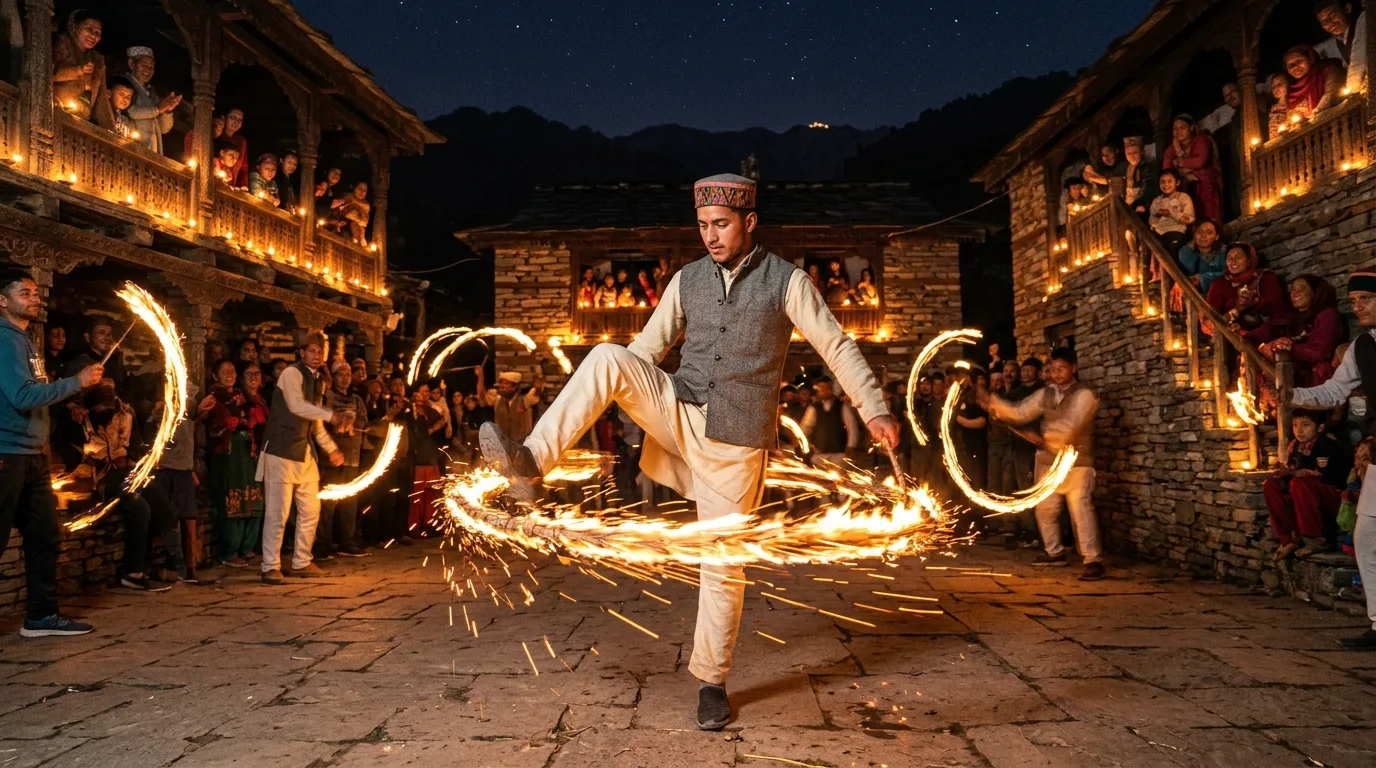
As evening falls and mothers and grandmothers light pure mustard oil lamps on the thresholds, all the boys and girls of the village light their Bhailos from a sacred hearth. Then, forming a circle in an open courtyard or 'Khalihan' (Mandav), they swing the burning Bhailo rapidly in the air above their heads with both hands. In the deep darkness of the night, the golden fire rings created by the embers dancing with the wind create a magical hypnosis that leaves everyone spellbound.
Cattle Worship in the Mountains and Delicious Traditional Igaas Delicacies
Igaas Bagwal is not just a festival for humans, but also for the livestock that is considered the lifeline of the mountains. There is a famous proverb in the mountains—"Jaika Goth ma Gau, Vaika Mukh ma Hansi" (He who has a cow in his shed has a true smile on his face).
Goth-Puja (Worship of Livestock and Oxen)
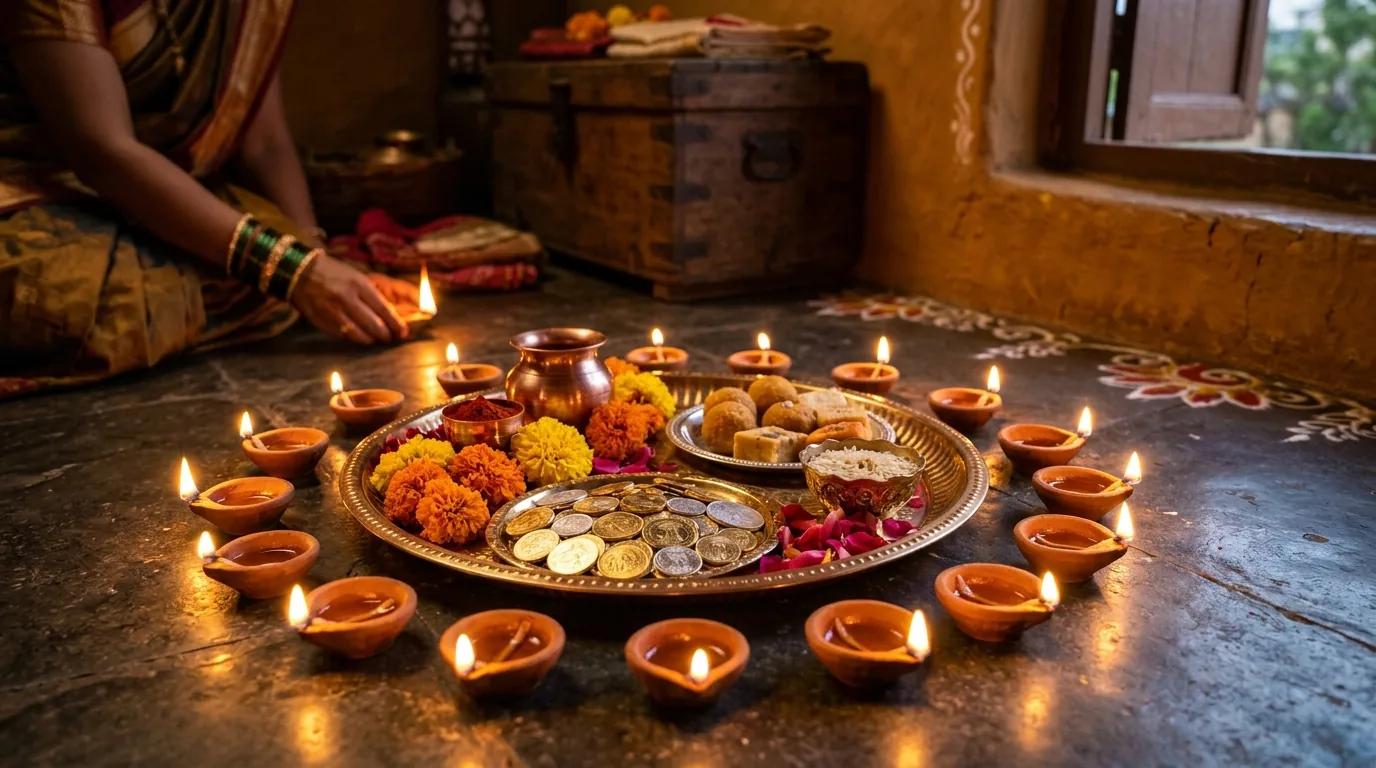
On the morning of Igaas, the cowshed (Goth) and the threshold of the house are specially cleaned and plastered. Traditional Aipan and beautiful Diwali Rangoli designs (Rangoli) are decorated in the courtyard. Cows, oxen, and calves are bathed, and mustard oil is applied to their horns. Beautiful prints are made on their foreheads and bodies using soaked rice flour (Biswar) and Roli. They are served platters of fresh green grass, sweet jaggery Rot, and Jhangora Kheer.
Traditional Pahadi Kitchen Delicacies
Special dishes are prepared in every Pahadi home on Igaas. These include Swale (special deep-fried Puris stuffed with Urad dal paste), sesame-cucumber Raita, Urad dal Pakoras, traditional Arsa made of jaggery and rice flour, and fragrant Rabri-Kheer made of wild millet (Jhangora), which is shared with the whole family.
Diverse Colors of Igaas in Garhwal, Kumaon, and Jaunsar-Bawar
Although the core essence of Igaas Bagwal is the same across Uttarakhand, every region has its own unique style:
- Garhwal Division: In Tehri, Pauri, Rudraprayag, Chamoli, and Uttarkashi, the main attraction is swinging the 'Bhailo' in memory of Veer Madho Singh Bhandari and performing Chonfla, Jhumailo, and Tandi folk dances late into the night with Dhol-Damau.
- Kumaon Division: In Almora, Bageshwar, Pithoragarh, and Nainital, it is celebrated as 'Budhi Diwali' and, in many places, as a special folk festival of traditional deity worship and cattle worship.
- Jaunsar-Bawar: In the Chakrata and Kalsi regions, the Budhi Diwali festival is celebrated about a month later as Margshirsh (Mangsir) Bagwal, featuring a rich centuries-old tradition of distributing walnuts and performing the traditional Harul dance.
Mountain Proverbs, Idioms, and the Cultural Renaissance of Igaas
In the mountains, Igaas is not just a date; it is a means of connecting with one's roots. In the villages of Uttarakhand, which have long suffered the sting of migration, migrant Uttarakhandis now return from across the country and abroad to their ancestral homes (dilapidated Tiwaris) on the day of Igaas. People say—"Pahadak Paani ar Pahadak Jawani kabhei na kabhei Pahad ke kaam auni chaini" (The water of the mountains and the youth of the mountains must serve their mountains at some point).
After the Uttarakhand government declared a public holiday for Igaas Bagwal, this folk festival is no longer limited to villages but has taken the form of a mega-celebration among migrant Uttarakhandis living in Dehradun, Delhi, Mumbai, and abroad.
While the mountain festival of lights concludes with Igaas in Uttarakhand, exactly four days later on Kartik Purnima, a divine stream of lamps flows on the holy banks of the Ganges for Dev Deepawali (Dev Deepawali), showcasing the continuity of the month of Kartik in Indian culture.
Igaas Bagwal is a unique folk festival of this joy, simplicity, and connection to one's roots in the mountains. On behalf of the Rangeen India family, we wish all readers a very Happy Igaas Bagwal—Jai Devbhoomi, Jai Uttarakhand!
Special Igaas Bagwal Wishes (Send in Garhwali & Kumaoni)
On this auspicious folk festival, send special digital greeting cards and messages with your name to your family, friends, and fellow mountain folk in your mother tongue:
Send Igaas Bagwal Greetings in Garhwali
Create special Igaas wishes and WhatsApp greeting cards in the Garhwali language with your and your family's names.
Send Igaas Bagwal Greetings in Kumaoni
Share personalized greeting cards with your name in the Kumaoni dialect with your family and friends.
Popular Traditional Folk Songs and Bhailo Videos of Igaas Bagwal (Watch & Listen)
To experience the vibrant folk culture of the mountains, the traditional echo of Dhol-Damau, and the folk joy of Bhailo, enjoy these two extremely popular and enchanting Uttarakhandi folk songs:
Igaas Bagwal Special Garhwali Folk Song
Joyful traditional singing of Igaas Bagwal (Budhi Diwali) accompanied by mountain folk tunes and the echo of Dhol-Damau.
Igaas Bagwal - Pandavaas & Atma Prakash
This is a popular audio song in the melodious voices of Pandavaas and Atma Prakash, presenting the folk festival and culture of Igaas Bagwal in soulful music.