Complete Guide to Kosi Bharai in Chhath Puja: Rituals, Rules, and Essentials
 AI-generated illustration
Chhath Puja 2026 (Nahay-Khay to Paran) has concluded. This article is preserved for ritual, cultural, and spiritual reference. To explore upcoming festivals and auspicious muhurats, check the links below:
KEY HIGHLIGHTS
Discover the profound rituals of Chhath Puja’s Kosi Bharai. Learn when, why, and how to perform this sacred offering using clay elephants, 24 or 36 earthen lamps, and sugarcane mandaps. This guide covers the essential checklist, the meticulous evening and morning worship procedures, and the strict disciplines required for this devout observance.
Among the four-day sacred rituals of the Chhath Mahaparv, 'Kosi Bharai' is considered the most divine, emotional, and significant vow. When a devotee prays to Chhathi Maiya for the blessing of a child, recovery from a serious illness, or the fulfillment of a major family wish, they perform the special 'Kosi' ritual once their prayer is answered. The sight of Kosi being performed in the home courtyard after the evening Arghya on Kartik Shukla Shashthi, and again at the riverbank at dawn on Saptami, is deeply mesmerizing and filled with profound devotion.
Table of Contents
A Brief Overview of Kosi Bharai in Chhath Puja
- Timing for Kosi Bharai: At night in the home courtyard after the Evening Arghya (Shashthi), and at dawn before the Morning Arghya (Saptami) at the river or pond bank.
- Main Symbols: A canopy made of 4 or 5 whole sugarcane stalks, a large clay elephant (Hathi-Kosi), and 24 or 36 clay lamps (diyas).
- Rule of Akhand Jagran (Vigil): After performing Kosi, the light of the lamps must not be extinguished throughout the night, and the women of the family sing traditional Chhath folk songs all night long.
Why is Kosi Bharai performed? (Significance of Kosi Bharai)
In Sanatan tradition, the word 'Kosi' is related to 'Kosh,' meaning a treasury or storehouse. It is a medium to express immense gratitude toward Chhathi Maiya and Lord Bhaskar (the Sun God). When a child is born after a long wait, a family member recovers from a terminal illness, or a major crisis is averted, the devotee takes a vow to perform the Kosi ritual during Chhath.
It is believed that performing Kosi ensures that the family never faces a shortage of resources, that Goddess Lakshmi resides in the home eternally, and that the lineage remains healthy. The Chhath Puja Vrat Katha and 10 Strict Rules also make special mention of performing Kosi upon the fulfillment of a vow.
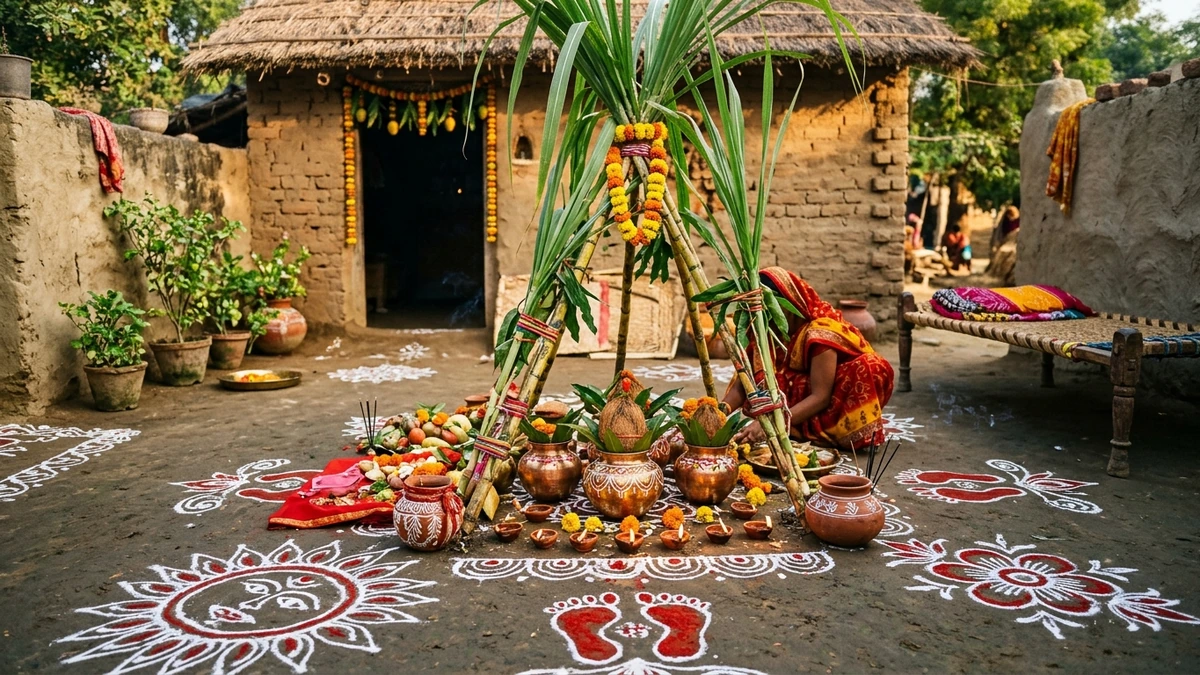
Complete Kosi Worship Checklist (Kosi Samagri Checklist)
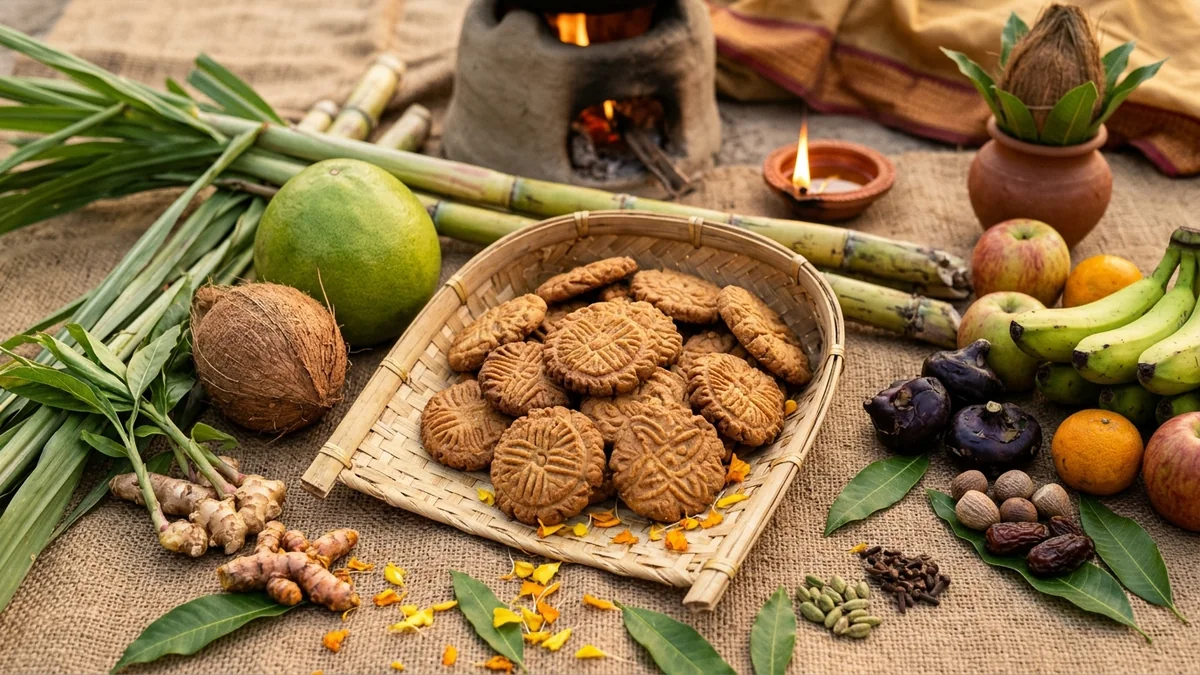
The following items are required for Kosi worship:
| Item Name | Quantity | Religious Significance |
|---|---|---|
| Clay Elephant (Kosiya Hathi) | 1 large elephant | Symbol of prosperity, strength, and the auspiciousness of the elephant god |
| Whole Sugarcane stalks | 4, 5, or 7 stalks | To bind the four directions and create a sacred canopy |
| Clay Lamps (unbaked) | 24 or 36 lamps | To dispel darkness and decorate the elephant's back and canopy |
| Clay Lids (Sarai/Purwa) | 1 or 2 | Placed on the elephant to hold the main four-wick lamp |
| Khasta Thekua and Kasar (Bhuswa) | As per capacity | The main sacred offering (Mahaprasad) for Chhathi Maiya |
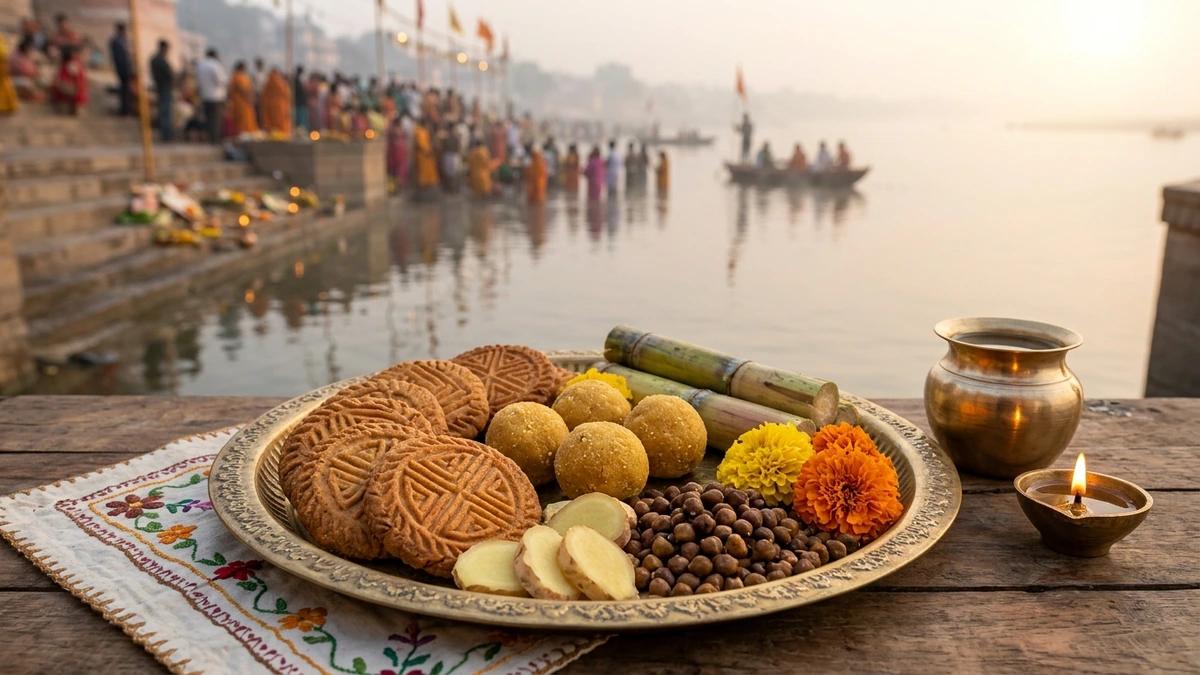
| Seasonal Fruits & Items | In pairs | Pomelo (Dabh Nimbu), water chestnut, yam, banana, raw turmeric-ginger, betel nut |
| Yellow or Red Cloth / Cotton Thread | 1 meter | To tie the sugarcane canopy at the top |
Step-by-Step Kosi Ritual (Step-by-Step Kosi Vidhi)
Step 1: Performing Kosi in the courtyard after Evening Arghya
- Purification of the space: After returning from the Evening Arghya, purify the clean courtyard or terrace by sprinkling Gangajal. Create a beautiful design (Alpana or Chowk) using rice flour paste (Pithar) and vermilion.
- Building the sugarcane canopy: Take 4 or 5 sugarcane stalks, stand them upright at the four corners, and tie their leaves together at the top with a yellow thread or Kalawa to form a beautiful pyramid-shaped canopy.
- Installation of the clay elephant: Place the clay elephant exactly in the center of the canopy. Apply 5 or 7 vermilion marks on the elephant.
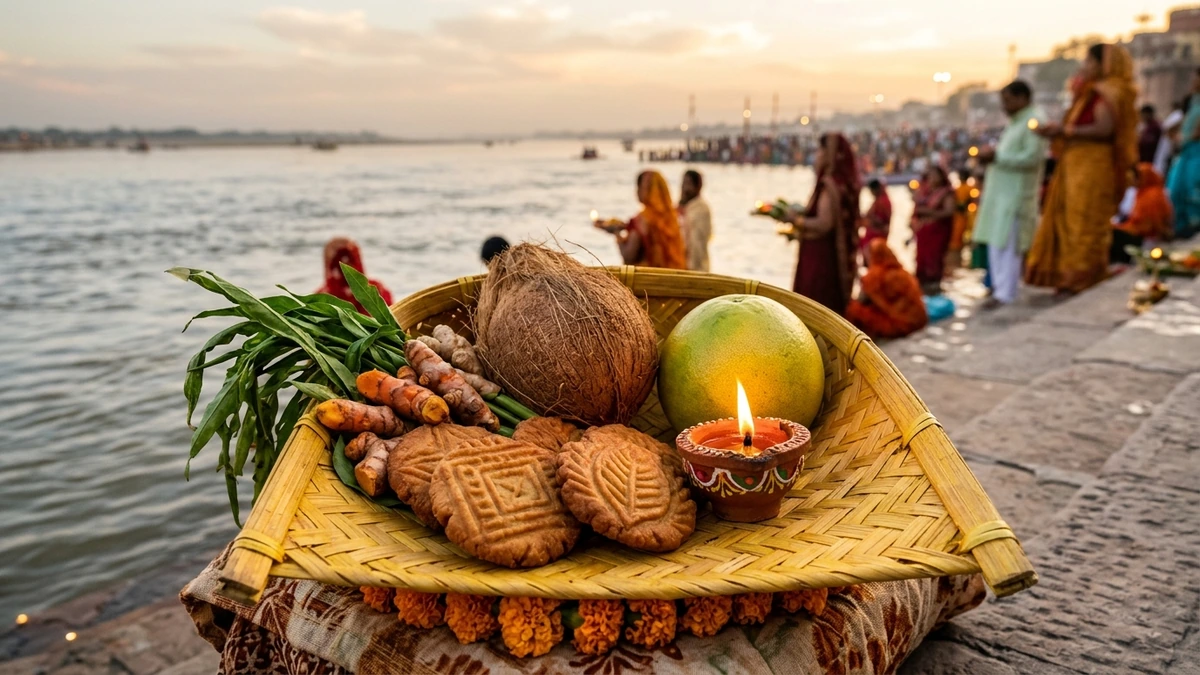
- Arranging fruits and offerings: Place Thekua, Kasar, pomelo, raw turmeric, radish, water chestnut, and seasonal fruits in new clay vessels (Kulhad and Sarai) around the elephant. (See: Khasta Thekua and Kharna Prasad Recipe)
- Lighting 24 or 36 lamps: Prepare 24 lamps using pure cow ghee or sesame oil. Place the lamps on the elephant's back, the clay lids, and all around. Light the main large four-wick lamp on top of the elephant.
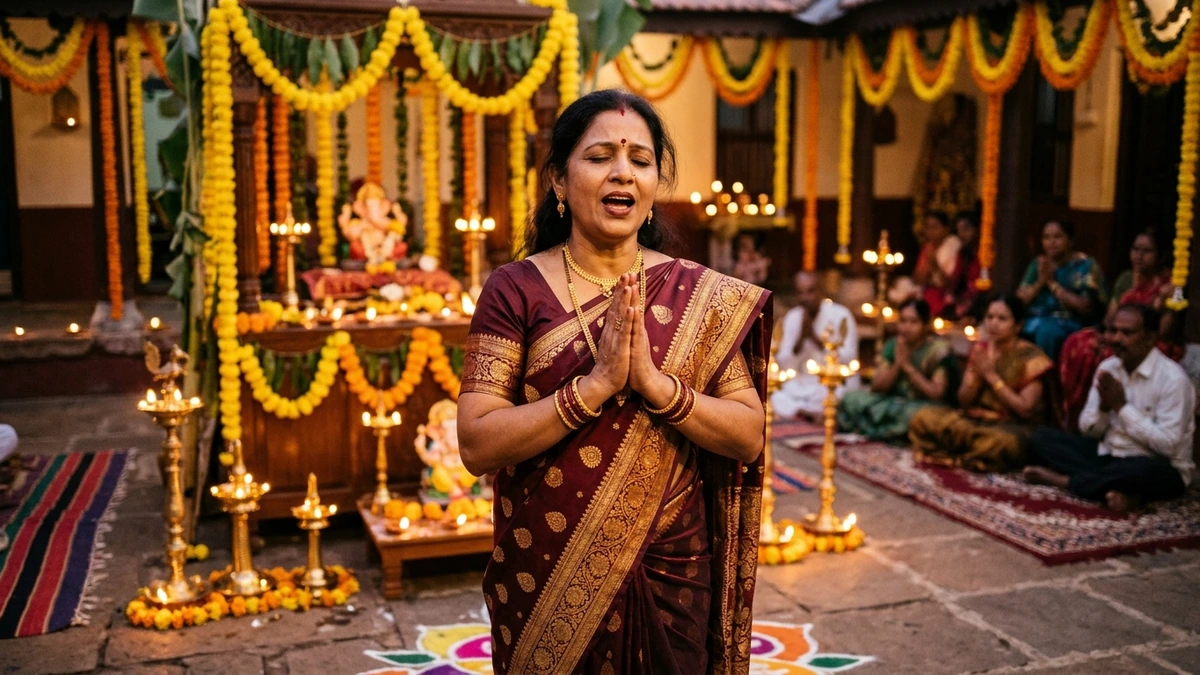
- Akhand Jagran and songs: The devotee and family women sit around the Kosi all night, singing hymns to Chhathi Maiya and traditional Kosi folk songs. It is ensured that none of the lamps go out.
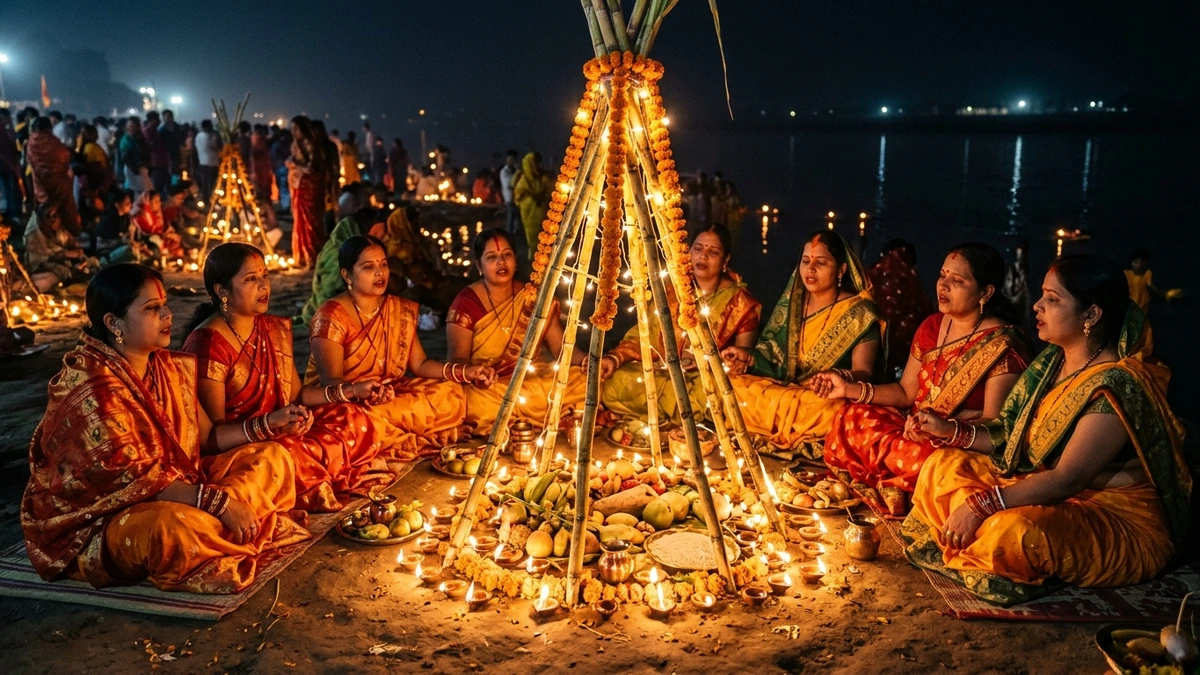
Step 2: Performing Kosi at the riverbank at dawn
- Departure to the Ghat: At dawn on Saptami (between 3:00 AM and 4:00 AM), male family members carry the clay elephant, sugarcane, and other items to the riverbank with great care.
- Re-installing the canopy at the Ghat: Near the same altar (Sirsota) where the devotee will offer Arghya, the canopy of 4 or 5 sugarcane stalks is erected again.
- Lighting the lamps: The clay elephant is installed, and all the lamps are lit once more.
- Conclusion with Usha Arghya: When the redness of the sun begins to appear in the eastern sky, the devotee enters the water. After offering Arghya at the correct time for Usha Arghya, the devotee bows to the Kosi lamps, and the Kosi is lifted.

7 Strict Rules and Precautions for Kosi Vrat
- The lamp must remain lit: After performing Kosi, the main lamp must remain burning all night. Keep adding ghee or oil to the lamp so it does not go out due to a gust of wind.
- The elephant must be intact: The clay elephant must be completely new and unbroken. When buying from the market, ensure its trunk or ears are not chipped.
- Strict adherence to purity: Touch the Kosi items only with clean, washed hands. Do not allow children or anyone who has not bathed to go near the Kosi.
- Must sing Kosi songs: Instead of sitting in silence all night, sing traditional Chhath songs. For lyrics, see our article: 10 Traditional Chhath Puja Songs and Lyrics.
- Remember the vow: Express gratitude to the Sun God and Chhathi Maiya by reiterating the specific wish for which the Kosi vow was taken.