Chhath Puja Vrat Katha, Mythological Significance, and 10 Strict Rules: Why This Great Festival is Celebrated
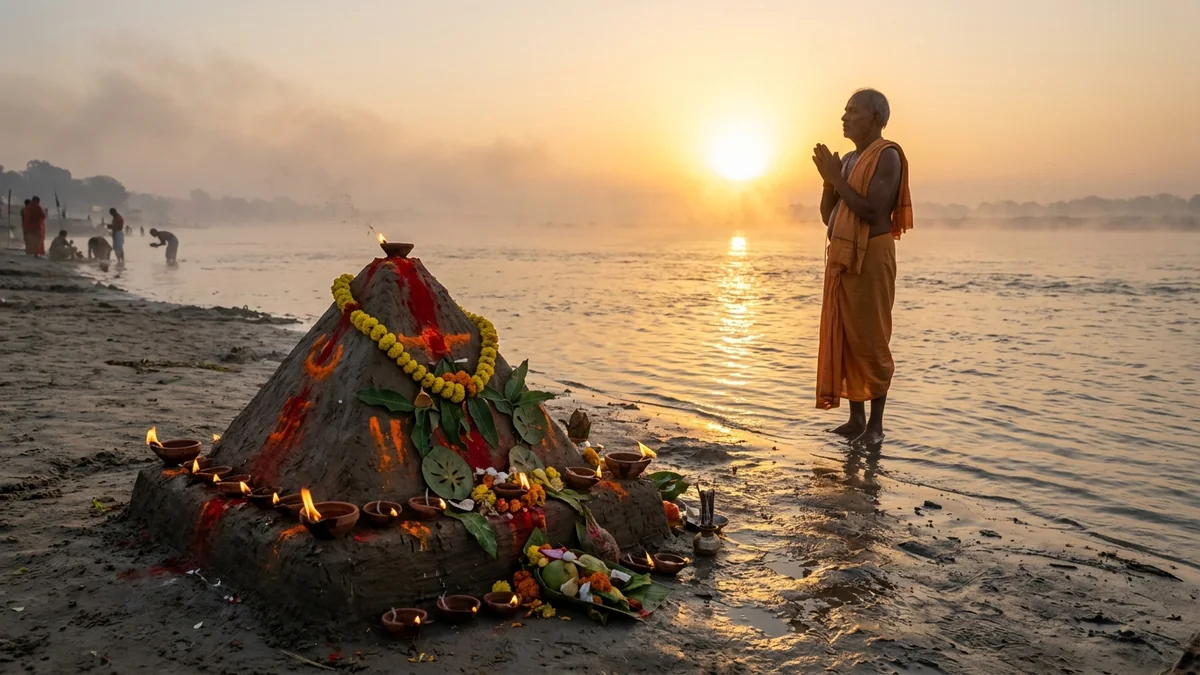 AI-generated illustration
Chhath Puja 2026 (Nahay-Khay to Paran) has concluded. This article is preserved for ritual, cultural, and spiritual reference. To explore upcoming festivals and auspicious muhurats, check the links below:
KEY HIGHLIGHTS
Chhath Puja is a profound 36-hour yogic penance dedicated to the Sun God and Shashti Devi. Rooted in ancient legends like those of King Priyavrata and Draupadi, this festival demands absolute purity, strict fasting, and specific rituals like Arghya. It remains a vital cultural tradition, fostering spiritual discipline and divine grace.
Chhath Puja Vrat Katha & Rules (Chhath Puja Vrat Katha, Mahatva & Niyam): In Sanatan culture, the great festival of Chhath is considered the most rigorous, pure, and profound form of penance. It is not merely a common fast, but a 36-hour unbroken yogic discipline that purifies the trinity of mind, speech, and action. This festival involves no idol worship; instead, it is a devotion to the Sun God—the visible lord of the five elements—and Shashti Devi (Chhathi Maiya), the sixth aspect of nature.
Table of Contents
Why is Chhath Puja celebrated? Many miraculous and inspiring stories from the Markandeya Purana, Shrimad Devi Bhagavata, and the Mahabharata era are associated with it. In this detailed article, we explain the authentic mythological legends of the Chhath festival, the mystery behind the origin of Chhathi Maiya, and the 10 strictest, inviolable rules of the Chhath fast.
Chhath Mahaparv 2026 Calendar & Timing: For the dates of all four days and the exact timings for Arghya, see: Chhath Puja 2026: 4-Day Schedule from Nahay-Khay to Usha Arghya
The Main Mythological Legend of the Chhath Fast: King Priyavrata and Shashti Devi
According to the Shrimad Devi Bhagavata Mahapurana, King Priyavrata, the son of Svayambhuva Manu, was a highly righteous and benevolent ruler. Even after many years of marriage, he remained childless. Distressed by the deep sorrow of not having an heir, the King sought guidance from Maharishi Kashyap, who performed the 'Putrakameshti Yajna' for him. Upon the completion of the Yajna, the sage gave the sacred sacrificial pudding (kheer) to the King's wife, Queen Malini.
Following the consumption of the kheer, the Queen became pregnant and eventually gave birth to a beautiful baby boy. Unfortunately, the child was stillborn. Seeing the lifeless infant, King Priyavrata’s grief knew no bounds. He took the child to the cremation ground, ready to end his own life.
The Divine Appearance of Shashti Devi:
Just as the King was about to give up his life, a divine beam of light appeared in the sky. A radiant Goddess, dressed in white and holding a lotus flower, manifested before him. The King folded his hands and asked, "O Goddess! Who are you, and why have you come to this desolate forest?"
The Goddess smiled and said, "O King! I am 'Devasena,' the mind-born daughter of Lord Brahma. Being born from the sixth aspect of the primordial nature of the entire creation, I am known in the world as 'Shashti Devi' (Chhathi Maiya). I am the protector of all children in the world and the Goddess who grants the joy of parenthood and longevity to the childless."
The Goddess further said, "Cast away your sorrow. On the sixth day of the bright fortnight of the month of Kartik, perform my fast and worship, along with that of the visible deity, Lord Sun. Also, instruct your subjects to observe this fast." Having said this, the Goddess touched the dead child, and the infant burst into laughter. King Priyavrata returned home joyfully and observed the sacred fast of Kartik Shukla Shashti, and since then, the tradition of Chhath Puja has been practiced across the globe.
Historical Legends of the Mahabharata Era (Mahabharata Legends)
1. The Rigorous Sun Worship of Karna:
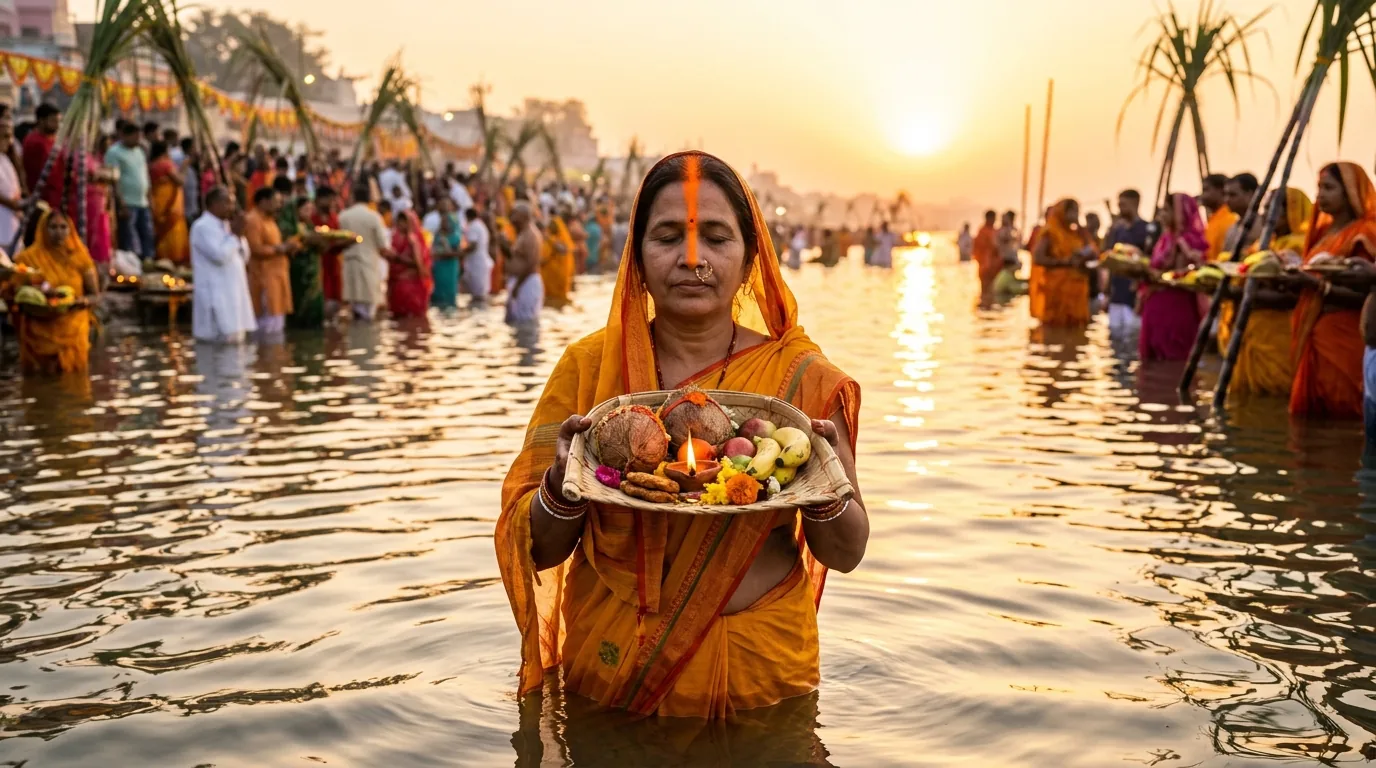
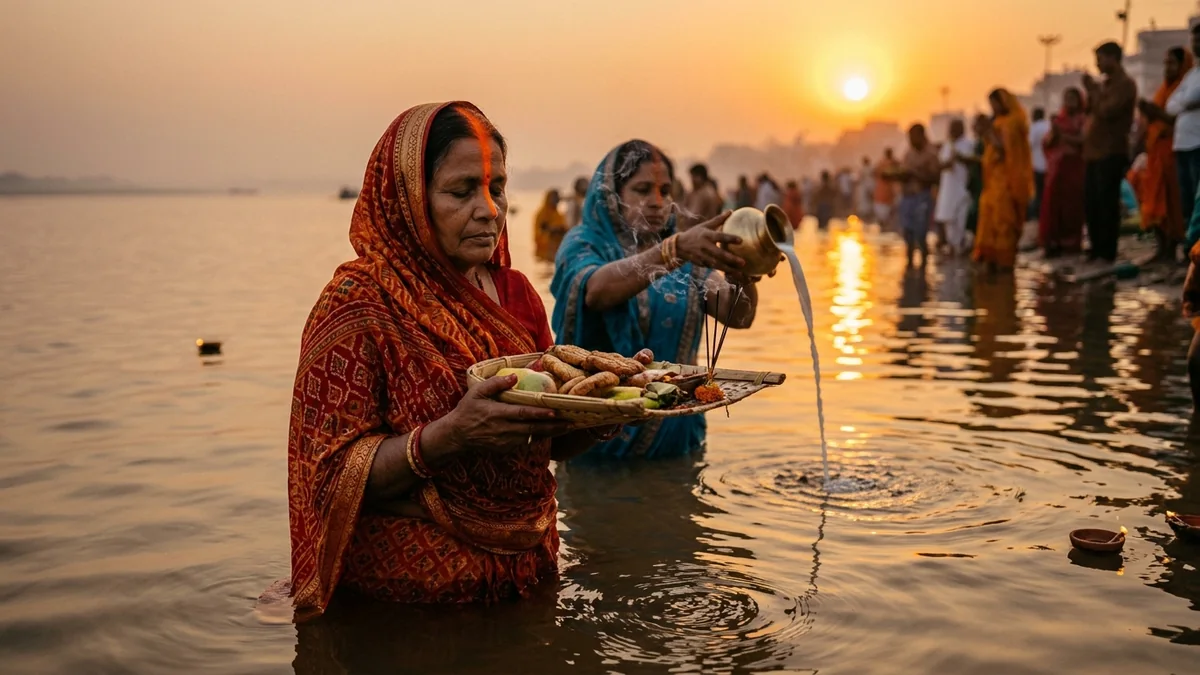
According to the Mahabharata, Karna, the ruler of Anga Desh (modern-day Bhagalpur, Munger, and Bihar region) and a legendary philanthropist, was a partial incarnation of Lord Sun. Every day at dawn (Brahma Muhurta), Karna would stand in the deep waters of the Ganges up to his navel for hours, chanting hymns to the Sun God and offering Arghya with a stream of water. It was through the immense grace of the Sun God that Karna received his impenetrable armor (Kavach) and earrings (Kundala), earning him the title of the world's greatest donor. The widespread popularity of the Chhath festival in Bihar is also attributed to this sacred tradition of Karna.
2. The Surya Shashti Fast by Draupadi:
When the Pandavas lost their entire kingdom and wealth in a game of dice and were wandering in exile for 12 years, it became difficult to arrange food for the thousands of sages and Brahmins visiting their hermitage. At that time, Maharishi Dhaumya advised Yudhishthira and Draupadi to chant the 108 names of Lord Sun and observe the Shashti fast. Draupadi performed this fast with extreme devotion and strict adherence to the rules. Pleased, Lord Sun granted Draupadi the 'Akshaya Patra' (inexhaustible vessel), through which all the sufferings of the Pandavas were alleviated, and they eventually regained their lost kingdom and honor.
The 10 Strictest and Mandatory Rules of Chhath Puja (The 10 Inviolable Rules)
The Chhath festival has such a strict code of purity that even an unintentional error is considered a fault. The devotee (Vrati) and their family must strictly follow these 10 rules:
| No. | Rule Name | Scriptural Protocol |
|---|---|---|
| 1 | Absolute Physical Purity | Never touch any ritual item or Prasad without bathing or with soiled hands. |
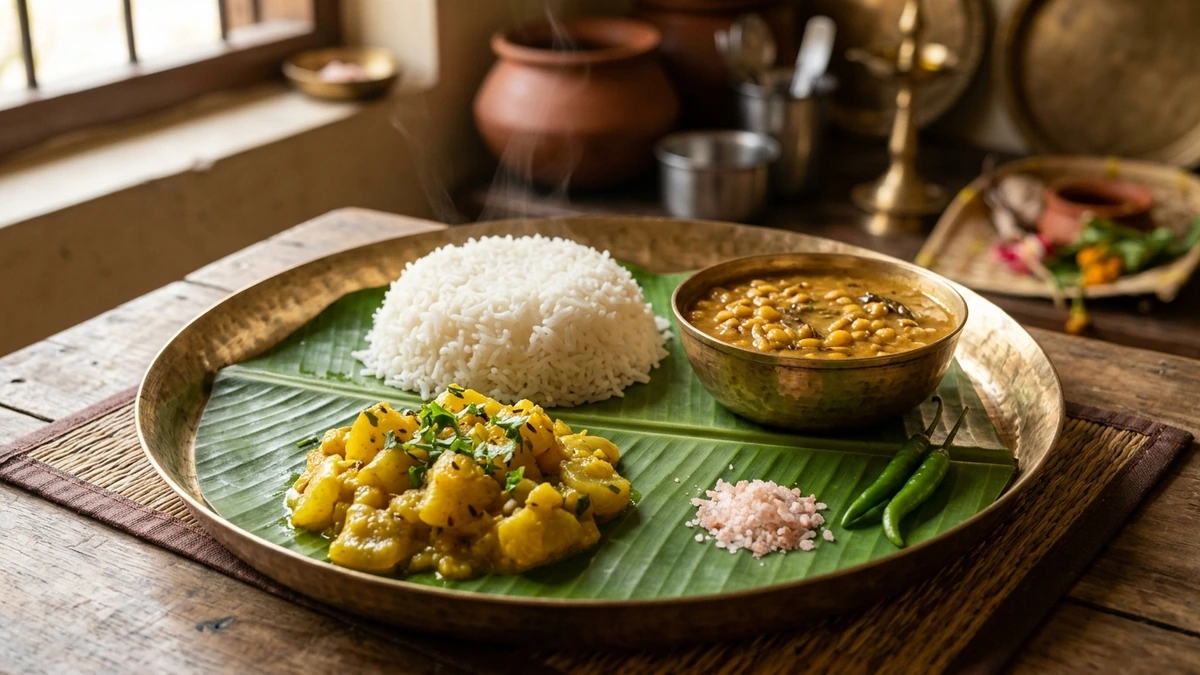
| 2 | Abstinence from Tamasic Food | From Nahay-Khay until the final breaking of the fast, garlic, onion, non-vegetarian food, and alcohol are strictly prohibited in the entire house. |
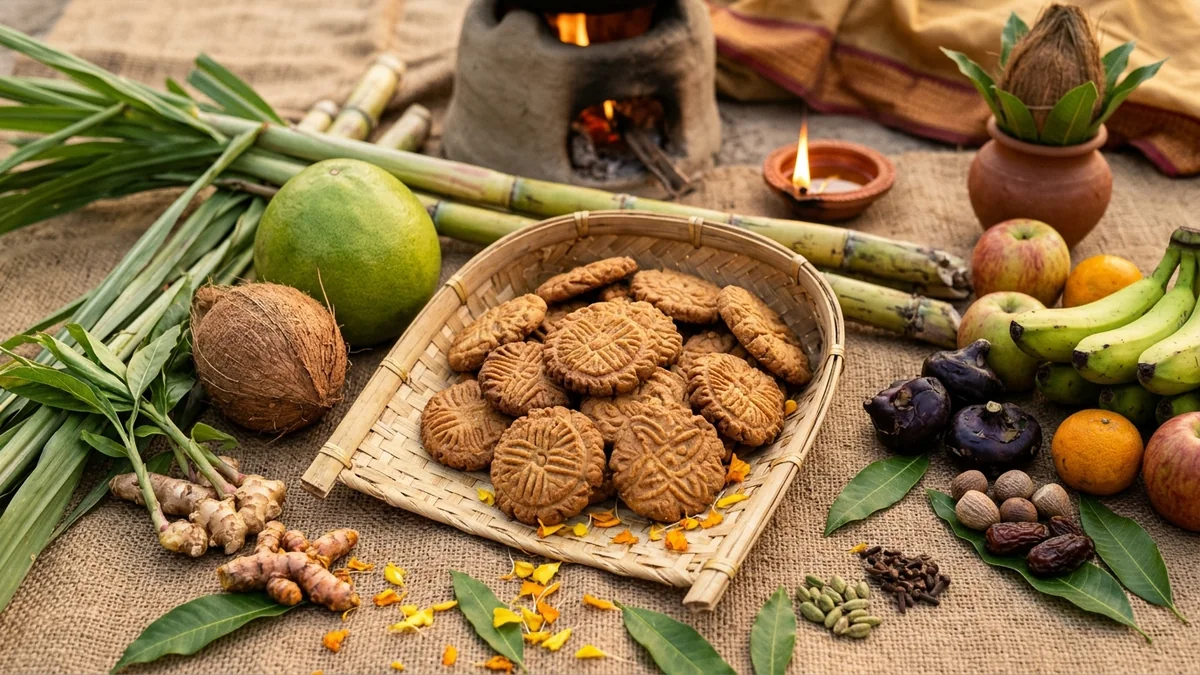
| 3 | Separate Earthen Stove | Prasad must be cooked only on a new earthen stove using mango wood (not on a regular stove). |
| 4 | Strict Protection of Wheat | It is mandatory to protect the washed wheat from birds (crows) while drying. If it becomes contaminated, it is rendered unusable. |
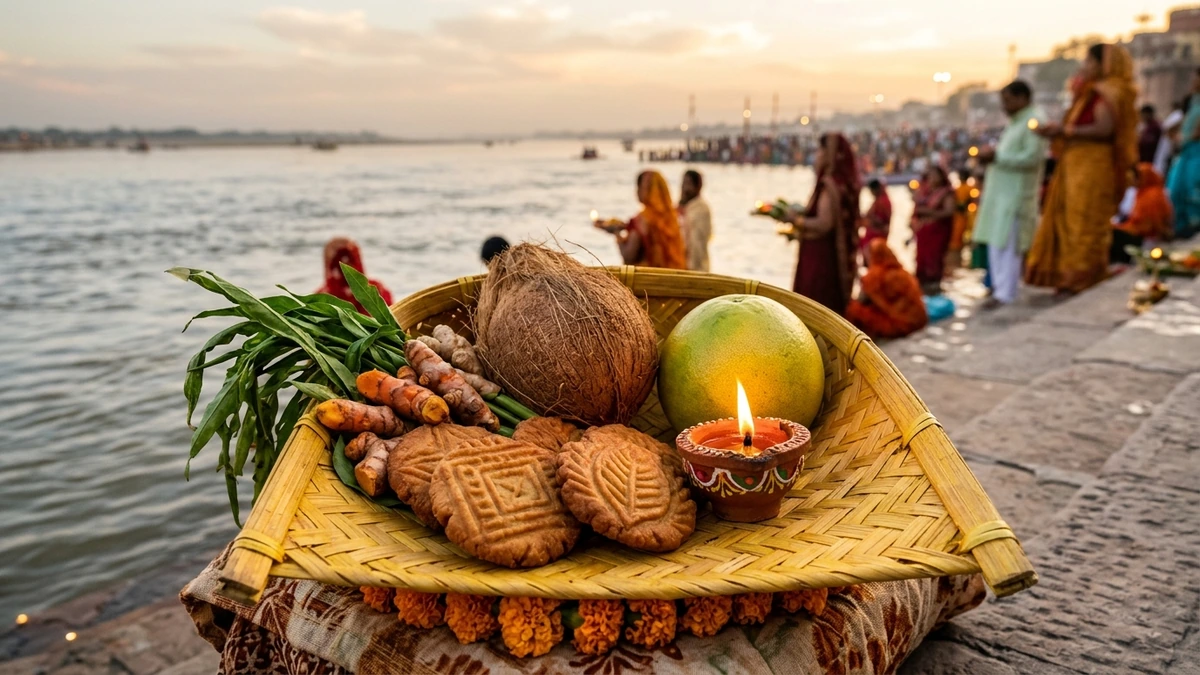
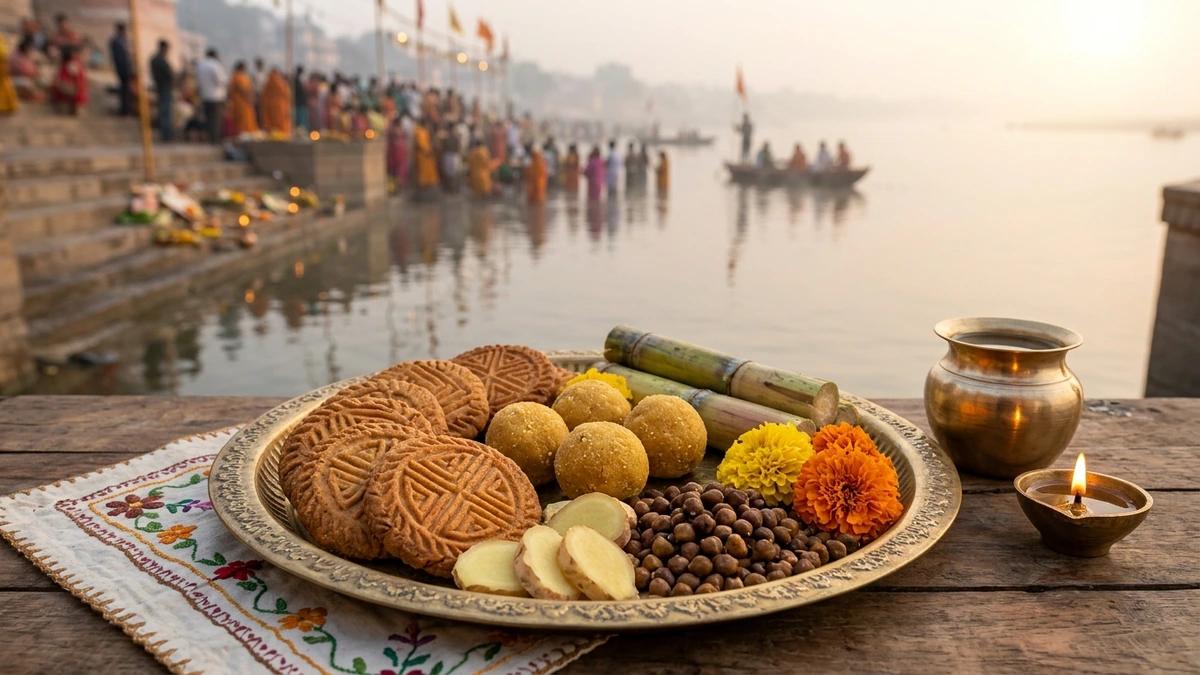
| 5 | No Tasting of Prasad | Thekua or Kheer must never be tasted while being prepared. It is only fit for consumption after offering Arghya to the Sun. |
| 6 | Sleeping on the Floor | For all four days, the devotee avoids beds or mattresses and sleeps on the floor on a blanket or mat. |
| 7 | Silent Kharna Ritual | There must be absolute silence in the house while consuming the Kharna Prasad. The devotee stops eating if there is even the slightest noise. |
| 8 | 36-Hour Nirjala Fast | From the Kharna ritual until the final morning Arghya on the fourth day, the devotee does not consume even a drop of water. |
| 9 | Prohibition of Impure Metals | Offering Arghya using steel, plastic, aluminum, or iron vessels is strictly prohibited. Only copper, brass, and bamboo are acceptable. |
| 10 | Restraint of Speech and Mind | During the fast, it is mandatory to completely avoid anger, conflict, foul language, jealousy, and lying. |
🔗 Other Useful Links for Chhath Mahaparv:
- Materials & Thekua Recipe: For the complete 35+ checklist for decorating the Soop, see: Chhath Puja Materials List and Thekua Recipe
- Exact Arghya Timing: For sunset and sunrise times in your city (Patna, Delhi, Ranchi, Lucknow), read: Chhath Puja 2026: Precise Arghya Timings (City-wise Table)