When is Mokshada Ekadashi and Gita Jayanti 2026? [Auspicious Puja Muhurat & Rules] Complete Vrat Katha, Gita Recitation Method, and Paran Timing
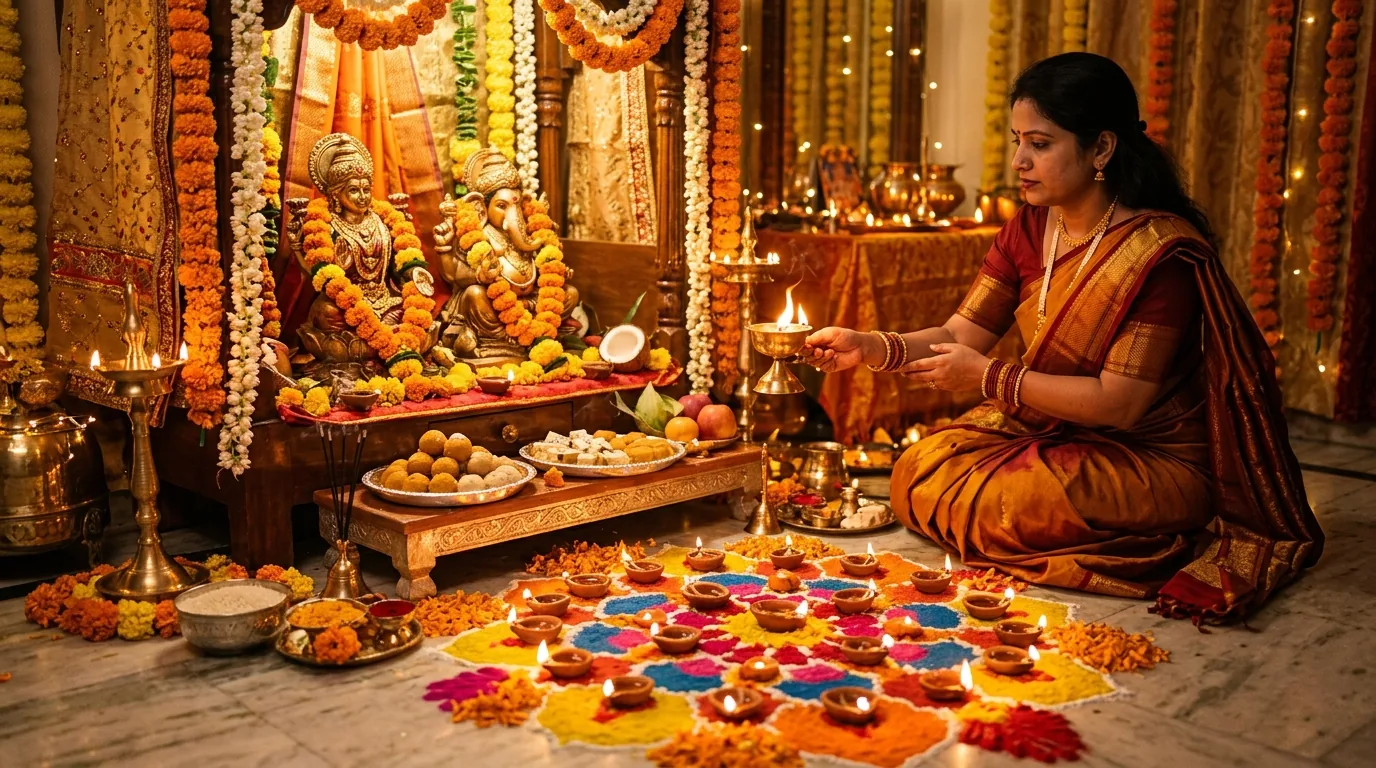
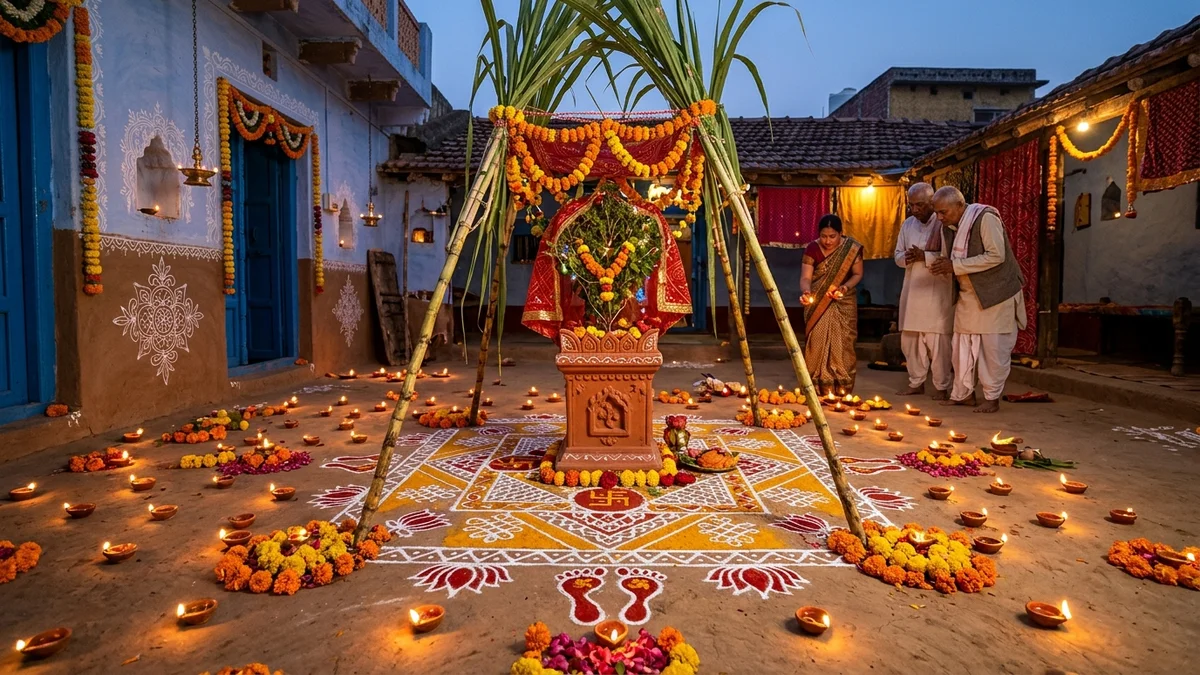
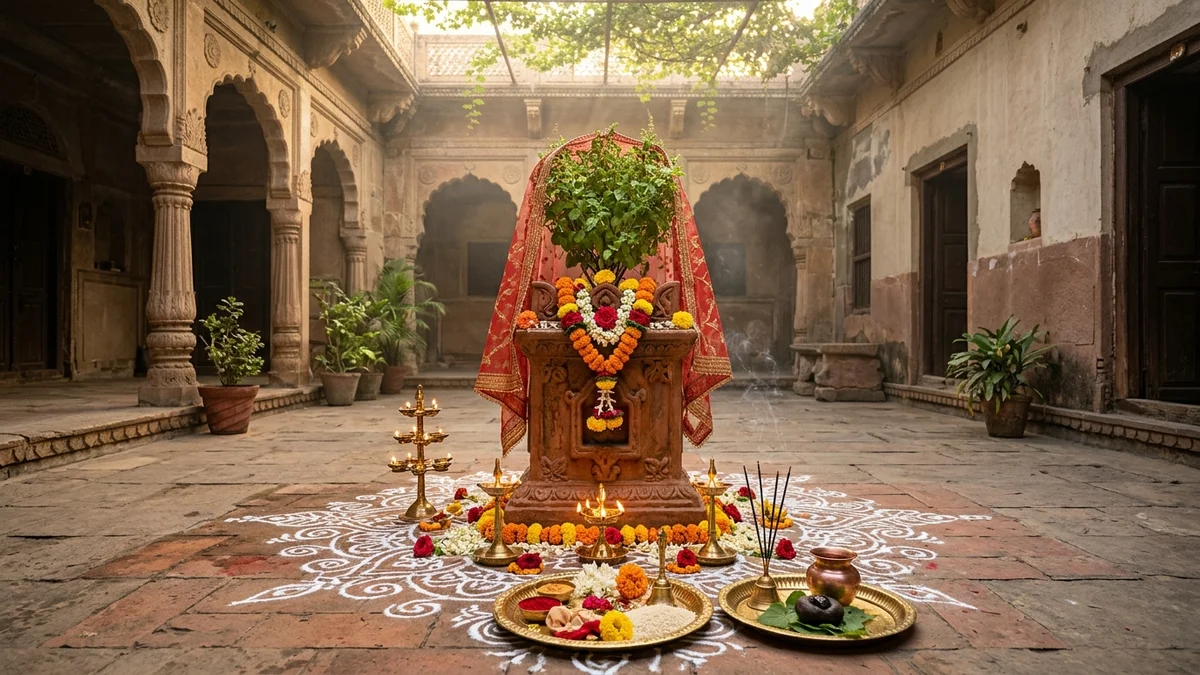
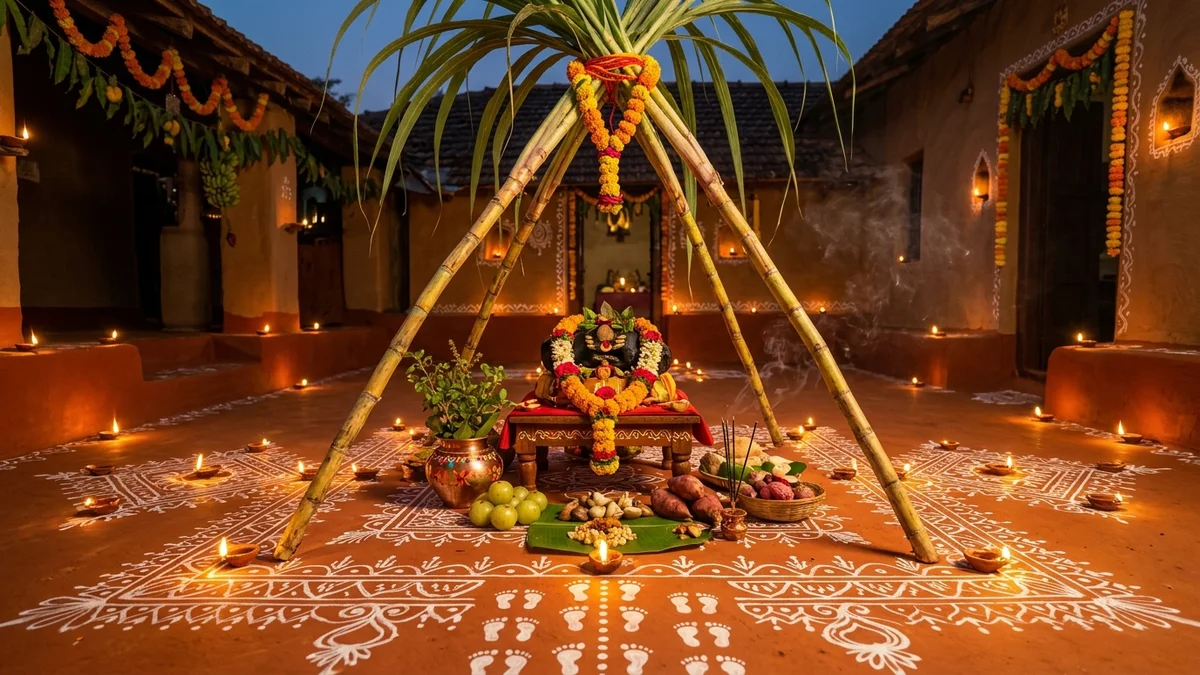
 AI-generated illustration
KEY HIGHLIGHTS
Unveil the exact dates and auspicious timings for Mokshada Ekadashi and Gita Jayanti 2026, including sacred Gita recitation hours. Discover the soul-liberating Vrat Katha, step-by-step worship rituals for Lord Shri Krishna, and precise Dwadashi Parana fast-breaking times to attain ultimate spiritual liberation and divine grace.
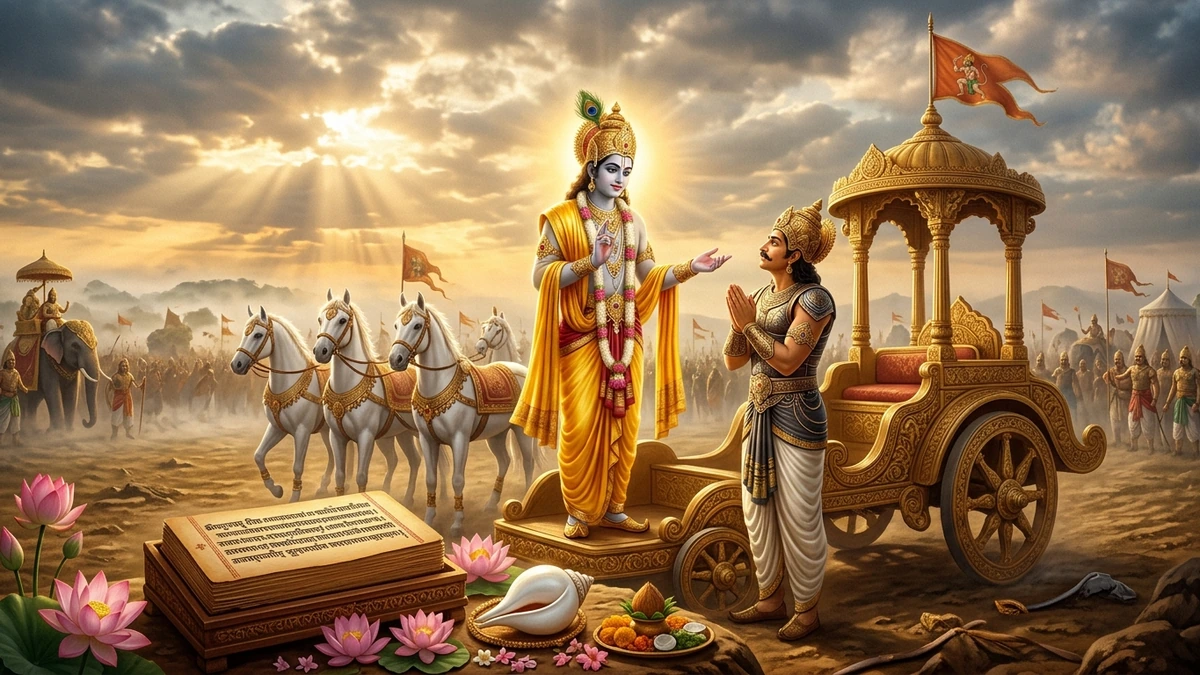
Mokshada Ekadashi and Gita Jayanti 2026 (Mokshada Ekadashi & Gita Jayanti 2026 Shubh Muhurat & Vidhi): In Hinduism, the Ekadashi Tithi of the Shukla Paksha in the Margashirsha (Agahan) month is celebrated as Mokshada Ekadashi and Gita Jayanti. This day is considered one of the most spiritual and auspicious days of the entire year. In the Puranic era, on this very sacred date, Lord Yogeshwar Shri Krishna delivered the immortal knowledge of life, duty, and the soul—the Shrimad Bhagavad Gita—to his dear friend and disciple Arjuna on the battlefield of Kurukshetra.
Table of Contents
Furthermore, this Ekadashi is called 'Mokshada,' which means—the one that grants liberation (Moksha). According to the scriptures, observing this fast with devotion and reciting the chapters of the Gita cleanses the seeker of sins from past lives and grants liberation to one's ancestors from the torments of hell, leading them to Vaikuntha. Let us understand in simple and easy language—the correct date, auspicious puja timings, Gita recitation method, the liberation-granting Vrat Katha, and the rules for breaking the fast (Paran) for Mokshada Ekadashi & Gita Jayanti 2026.
Mokshada Ekadashi & Gita Jayanti 2026: At a Glance
| Details | Panchang & Timing (2026) |
|---|---|
| Sacred Festival | Mokshada Ekadashi & Gita Jayanti |
| Tithi & Paksha | Margashirsha Month (Agahan), Shukla Paksha Ekadashi |
| Primary Deities | Yogeshwar Lord Shri Krishna, Shri Hari Vishnu, and Shrimad Bhagavad Gita |
| Brahma Muhurat (Gita Recitation) | 05:20 AM to 06:14 AM |
| Abhijit & Vijay Muhurat | 11:58 AM to 12:40 PM & 02:02 PM to 02:44 PM |
| Dwadashi Vrat Paran Time | Next day from 07:11 AM to 09:20 AM |
Best Auspicious Timings for Mokshada Ekadashi & Gita Jayanti 2026
According to the Panchang, the following timings are considered the most auspicious for worshipping the Gita (the scripture) and performing the Ekadashi rituals:
- Brahma Muhurat (Spiritual Contemplation & Meditation): 05:20 AM to 06:14 AM. During this time, after bathing, take a vow (Sankalp) for the Ekadashi fast before Lord Shri Krishna and recite the first and eleventh chapters of the Gita.
- Morning Auspicious Puja Muhurat: 08:32 AM to 09:50 AM. During this time, perform the Abhishek of Lord Shri Krishna with Panchamrit and worship the Gita book with sandalwood paste and flowers.
- Abhijit Muhurat (Most Fruitful Time): 11:58 AM to 12:40 PM. According to religious beliefs, it was around this sacred time during the Mahabharata war that Lord Krishna delivered the Gita to Arjuna.
- Evening Aarti & Deepdan Muhurat: 05:28 PM to 06:15 PM. Light a lamp of pure desi ghee in your home temple, near the Tulsi plant, and in front of the Gita book.
Spiritual Significance of Gita Jayanti: When the Lord Himself Sang the Gita
In the religious history of the world, Shrimad Bhagavad Gita is the only sacred scripture whose birth anniversary is celebrated. This is because the Gita is not a memory written by a sage, but the immortal words spoken directly from the lotus lips of Lord Shri Krishna himself.
The significance of the combined festival of Gita Jayanti and Mokshada Ekadashi:
- Resolution of Life's Doubts: Just as Lord Krishna showed the path of duty (Karma) to the distressed Arjuna, reciting the Gita helps one overcome every conflict, fear, and confusion in life.
- Great Vow for the Liberation of Ancestors: According to the Garuda Purana and Padma Purana, if an individual's ancestors are suffering in hell due to their past deeds, dedicating the merits of the Mokshada Ekadashi fast to them leads to their immediate salvation.
- Attainment of Moksha: A seeker who abstains from grains on this day and remains in the refuge of Lord Vasudeva while consuming only fruits (Phalahar) finds their three-fold afflictions (physical, divine, and material) destroyed.
Simple Puja Method for Shrimad Bhagavad Gita on Gita Jayanti
There is a special tradition of worshipping Mother Gita along with Lord Shri Krishna on Ekadashi. The simple method is as follows:
- Preparation of the Altar: Spread a new red or yellow silk cloth on a clean wooden pedestal in the North or East direction.
- Installation: Respectfully place an idol of Lord Shri Krishna (in his childhood or Muralidhar form) and the Shrimad Bhagavad Gita scripture on the pedestal.
- Ganga Jal & Roli Abhishek: Sprinkle drops of Ganga Jal on the Gita scripture. Then, apply a tilak on the cover of the book using Roli, Kumkum, Turmeric, and Akshat (rice grains).
- Offering Flowers & Incense: Offer fresh yellow marigolds or roses. Light pure Guggul or incense sticks and a desi ghee lamp.
- Offering Makhan-Mishri & Tulsi: Offer Makhan-Mishri (butter and rock sugar), seasonal fruits, and Panjiri to Lord Shri Krishna. Ensure a Tulsi leaf is included in the offering.
- Recitation of Key Gita Chapters: If reciting all 18 chapters is not possible, then at least recite the 11th Chapter (Vishwaroop Darshan Yoga) and the 12th Chapter (Bhakti Yoga) or the 15th Chapter (Purushottam Yoga) with devotion.
- Aarti & Forgiveness Prayer: After the puja, perform the sacred Aarti of "Jai Bhagavad Gite, Jai Bhagavad Gite..." and fold your hands to ask for forgiveness for any unintentional errors.
Authentic Puranic Vrat Katha of Mokshada Ekadashi
In ancient times, a very pious and benevolent king named Vaikhanas ruled in Champak Nagar. King Vaikhanas loved his subjects like his own children, and everyone in the kingdom was happy and devout.
One night, King Vaikhanas had a terrible nightmare. In his dream, he saw his late father suffering the horrific torments of hell and praying to his son in great agony—"O son! Please free me from the pain of this terrible hell by any means." When the king woke up in the morning, he was deeply distressed and saddened. He called the learned Brahmins and ministers of his court and narrated his dream.
The Brahmins advised the king, "O King! Near our city is the sacred ashram of the tri-kala-darshi (knower of past, present, and future) Parvat Muni. Go to him; he is a knower of all times. Only he can tell you the way to liberate your father." King Vaikhanas immediately reached Parvat Muni's ashram, bowed at his feet, and tearfully explained his father's condition.
Parvat Muni meditated and, using his yogic powers, said, "O King! In his previous life, your father committed a grave sin driven by lust, and as a punishment, he is burning in the fires of hell." The king asked anxiously, "O Sage! Please tell me a simple penance so that my father may be freed from this hell forever."
Parvat Muni smiled and said, "O King! The Ekadashi of the Shukla Paksha of the Margashirsha month is called 'Mokshada Ekadashi.' Observe this fast with your entire family according to the rituals, and dedicate all the merit earned from this fast to your father."
King Vaikhanas followed the words of Parvat Muni with full devotion. He observed the Nirjala (waterless) fast of Mokshada Ekadashi, worshipped Lord Shri Krishna, and on the day of Dwadashi, dedicated all the merit of the fast to his father. As soon as the merit was offered, the king's father was freed from the bonds of hell and departed for heaven in a divine chariot. While leaving, he blessed his son from the sky. Since then, this Ekadashi has been known as Mokshada Ekadashi.
Rules and Timing for Breaking the Mokshada Ekadashi Fast (Paran)
All seekers observing the Mokshada Ekadashi fast should pay special attention to the rules of Paran:
- Auspicious Time for Paran: It is best to perform Paran between 07:11 AM and 09:20 AM after the sunrise of Dwadashi Tithi.
- Brahmin Feeding & Charity: Before breaking the fast, feed a Sattvic Brahmin or a needy person, or donate 'Sidha' (raw grains, lentils, ghee, and Dakshina).
- Start with Charanamrit & Tulsi: Break the fast by first consuming the water from the feet of Lord Shri Krishna (Charanamrit) and a Tulsi leaf.
- Consume Sattvic Food: Prepare pure Sattvic food at home on the day of Paran. Avoid oil, spices, and Tamasic food.
Do's and Don'ts on Gita Jayanti
Do's
- Recite at least one or two chapters of the Gita at home.
- Gift a Gita book to a student or a spiritually inclined person.
- Chant the mantra of Lord Shri Krishna: "Om Kleem Krishnaya Namah."
- Donate yellow fruits, grains, or warm clothes to the needy.
Don'ts
- Do not consume rice, masoor dal, or eggplant on the day of Ekadashi.
- Do not create an atmosphere of conflict, bitterness, or unrest at home.
- Do not touch the Gita scripture without bathing or with unclean hands.
- Do not pluck Tulsi leaves on this day (use leaves plucked on Dashami).
Frequently Asked Questions (FAQs)
Q1: Why are Gita Jayanti and Mokshada Ekadashi celebrated on the same day?
Answer: According to the Mahabharata, Lord Shri Krishna delivered the Gita to Arjuna on the battlefield of Kurukshetra on the Ekadashi Tithi of the Shukla Paksha of Margashirsha month. Therefore, Mokshada Ekadashi and Gita Jayanti are celebrated together on this day.
Q2: Which chapter of the Gita is most auspicious to recite on Gita Jayanti?
Answer: If you are short on time and cannot recite the entire Gita, reciting the 11th Chapter (Vishwaroop Darshan Yoga) or the 15th Chapter (Purushottam Yoga) is considered extremely fruitful.
Q3: Does observing the Mokshada Ekadashi fast grant liberation to ancestors?
Answer: Yes, the scriptures clearly state that if one observes the Mokshada Ekadashi fast and dedicates its merit to their ancestors, they are immediately freed from hell and the cycle of rebirth, attaining Moksha.
Q4: What should be offered to Lord Shri Krishna on Mokshada Ekadashi?
Answer: Offer Makhan-Mishri, yellow sweets, seasonal fruits, Panjiri, and Panchamrit to Lord Shri Krishna. Always include a Tulsi leaf in the offering.