10 Rules for Kartik Purnima and Dev Deepawali Deepdan: [Scriptural Method & Mantras] The Correct Way to Light Lamps at Home, Riverbanks, and Tulsi Altars
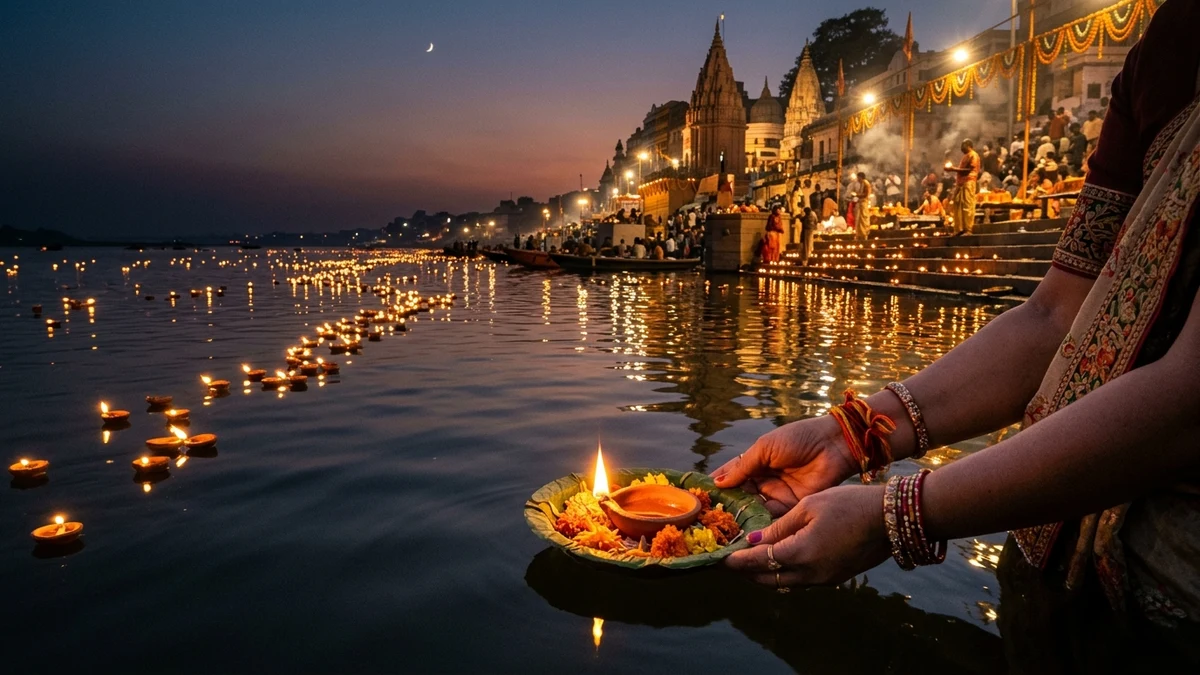 AI-generated illustration
KEY HIGHLIGHTS
Celebrate Kartik Purnima and Dev Deepawali with spiritual precision. Discover the ten essential rules for Deepdaan, including scriptural rituals, sacred mantras, and auspicious directions. Learn the correct way to illuminate your main entrance, riverbanks, Tulsi altar, and home shrine to invite divine blessings and prosperity into your life this festive season.
Often, people light lamps without knowing the correct direction, the type of wick to use (round or long), or the appropriate placement, which prevents them from receiving the full spiritual benefits. Whether you are performing Deepdan at a river ghat or placing lamps in your home temple, at the main entrance, or near the Tulsi plant, this detailed guide covers 10 simple rules of Deepdan, the correct directions, and easy worship methods.
Table of Contents
Quick Summary: Key Principles of Scriptural Deepdan
Always use pure cow ghee or sesame oil for worshipping deities. Mustard oil is reserved specifically for the Yam Deepak or special rituals.
The flame of the lamp should always face North (for wealth and happiness) or East (for good health). The South direction is reserved exclusively for the lamp dedicated to Yamraj.
A 'round wick' (phool batti) is considered best for ghee lamps, while a 'long wick' is preferred for oil lamps.
What is Deepdan, and what is its spiritual and mythological significance?
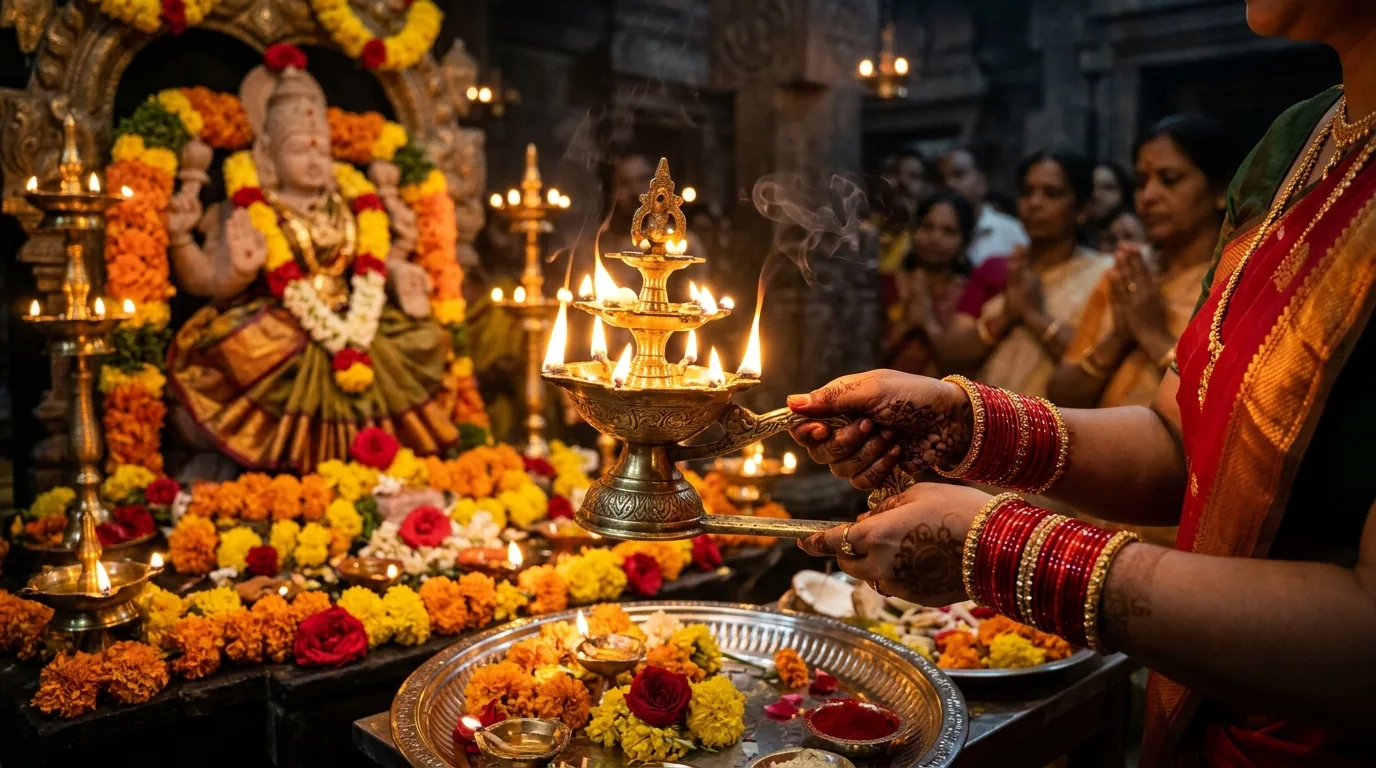
'Deep' means light, and 'Dan' means offering for the welfare of others or as a dedication to the Divine. When we leave a lit lamp near a sacred river, temple, or tree, it serves as a proclamation of the victory of light over darkness, knowledge over ignorance, and Dharma over Adharma.
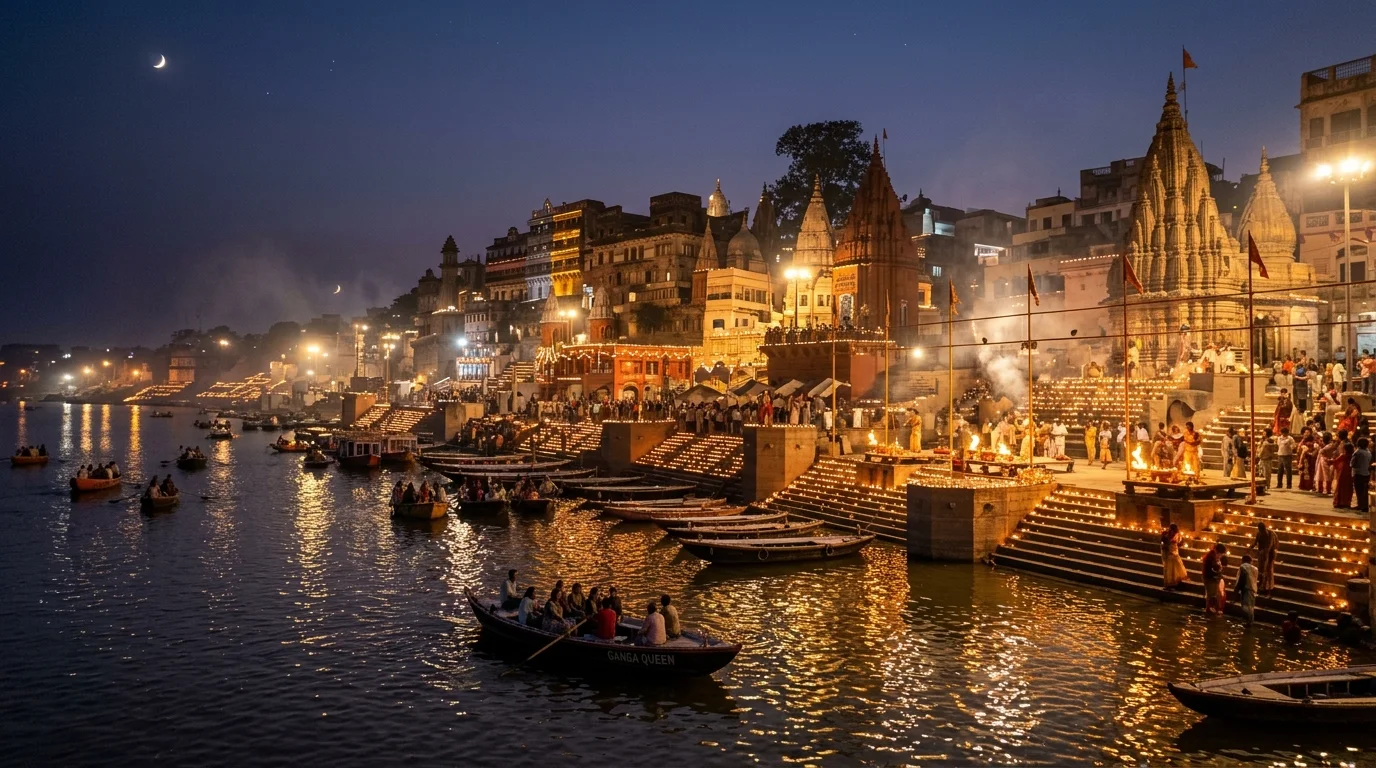
The Padma Purana narrates that on the day of Kartik Purnima, Lord Shiva defeated the powerful demon Tripurasura, who had been tormenting the gods; this is why it is also known as 'Tripurari Purnima.' In celebration of this victory, all 330 million deities descended from heaven to the 84 ghats of Kashi and lit millions of lamps, a tradition we now celebrate as Dev Deepawali. Deepdan performed on this day helps ancestors (Pitrs) find liberation from the darkness of Yamlok and attain Moksha.
The 10 Most Sacred Locations for Scriptural Deepdan
According to the Agni Purana and Nirnaya Sindhu, if you are performing Deepdan during the month of Kartik, on Purnima, or Ekadashi, lighting lamps at these 10 locations helps destroy all planetary afflictions and poverty:
॥ 10 Miraculous Sacred Sites for Deepdan ॥
1. Banks of a Sacred River or Lake
Performing Deepdan on the banks of the Ganges, Yamuna, Narmada, or any clean water body is considered supreme. Placing an earthen lamp on a leaf boat and floating it in the water brings liberation to ancestors and peace to the family.
2. Tulsi Altar (Vrindavan Dham)
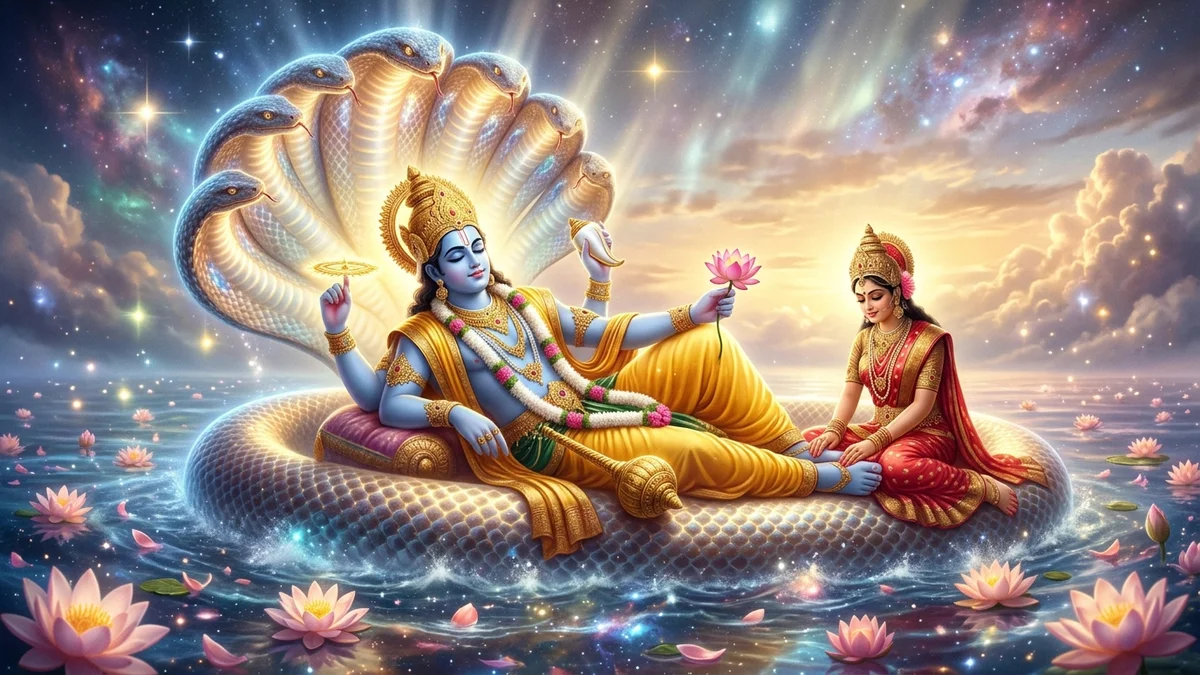
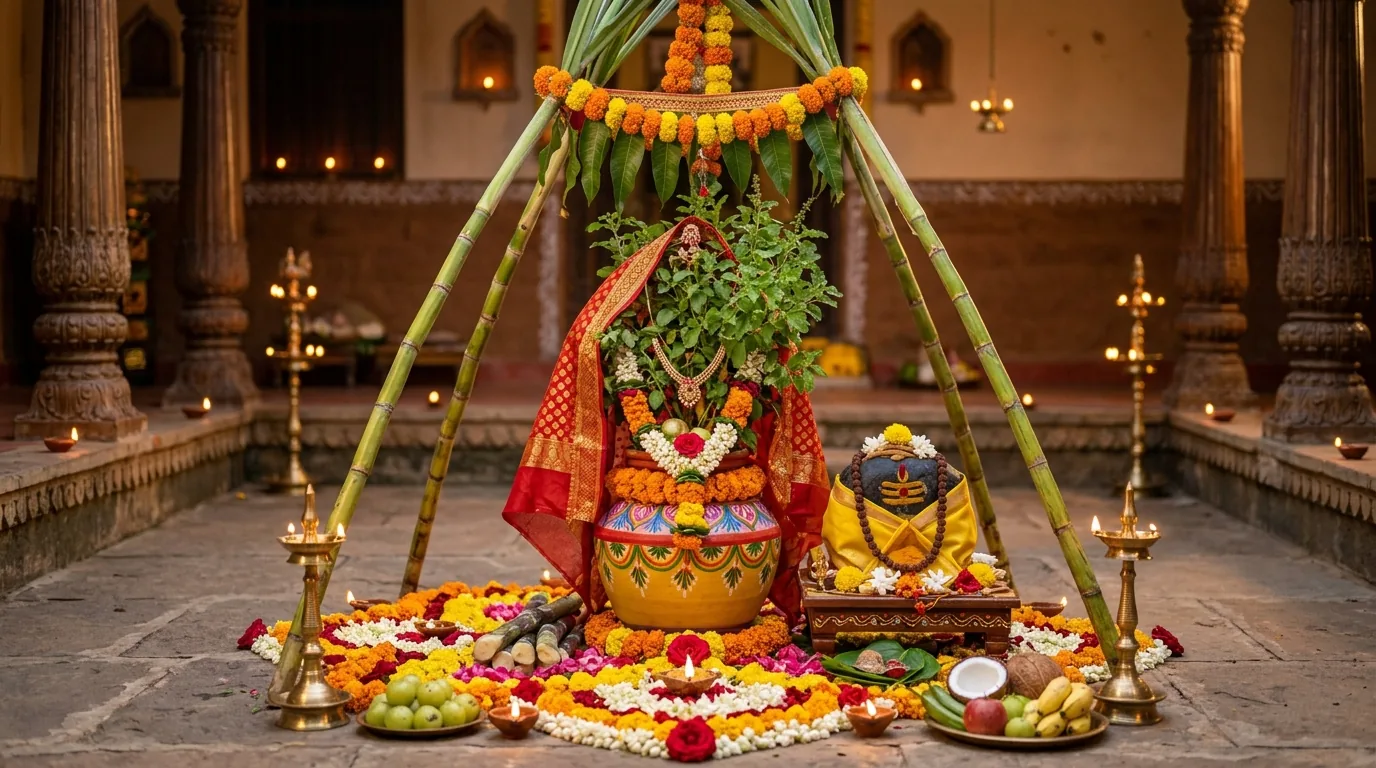
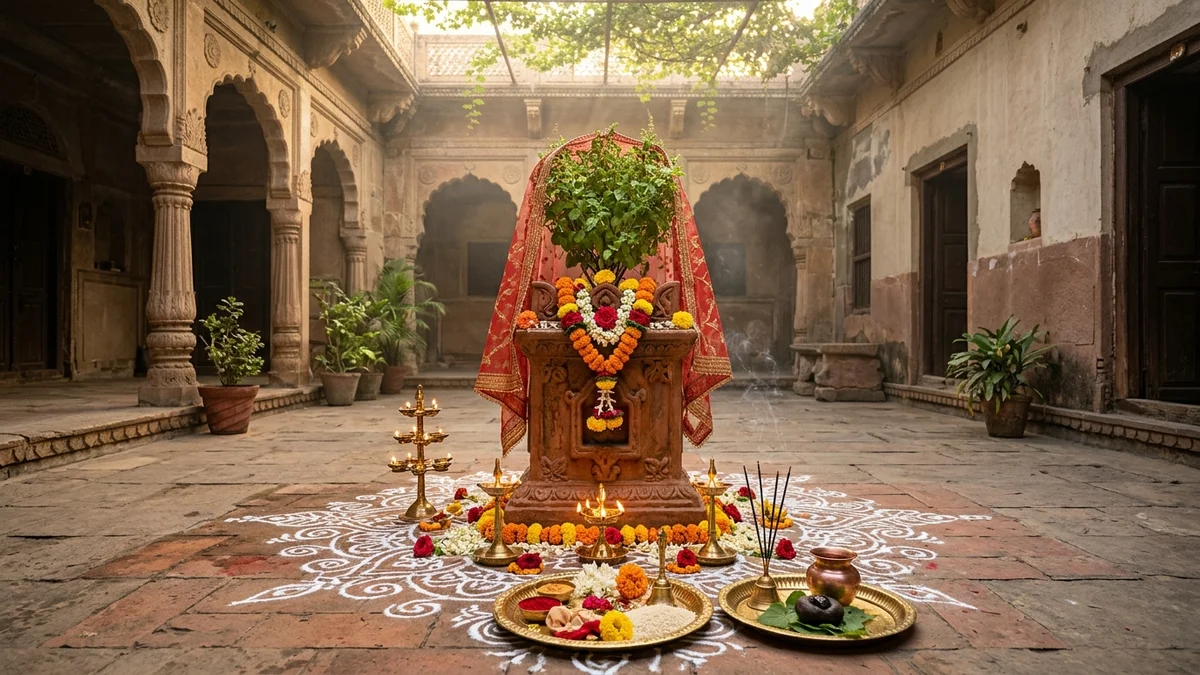
Lighting a ghee lamp before Tulsi Ji every evening invites the eternal blessings of Goddess Lakshmi and Lord Vishnu. Reciting our Tulsi Chalisa and Namashtak Stotram while performing Deepdan enhances prosperity.
3. Roots of the Peepal Tree (Abode of the Trinity)
Lord Brahma resides in the roots, Vishnu in the middle, and Shiva at the top of the Peepal tree. Lighting a sesame oil lamp at the roots on Kartik Purnima helps pacify Pitr Dosh, Kaal Sarp Dosh, and the effects of Shani's Sade Sati.
4. Main Threshold of the House
Lamps should be placed on both sides of the main entrance, facing outward. This prevents negative energies, the evil eye, and poverty from entering the home.
5. Temple (Shivalaya or Vishnu Temple)
Lighting an eternal flame or an evening lamp in an ancient temple or your home shrine strengthens inner resolve, and chanting the 108 sacred names of Lord Vishnu becomes instantly fruitful.
6. Akash Deep (Lamp on a Roof or High Pole)
During Kartik, a lantern or lamp is hung on the roof or a high bamboo pole, known as 'Akash Deep.' This acts as a beacon for ancestors and deities passing through the air.
7. Near the Water Pot in the Kitchen (Place of Annapurna)
Lighting a lamp near the drinking water pot or filter in the kitchen pleases Mother Annapurna, ensuring the home never lacks food or wealth. This is also considered a favorite spot for ancestors.
8. Safe or Business Place (Place of Kuber)
Lighting a ghee lamp facing North near your cash box or business counter promotes growth in trade and quick relief from debt.
9. Crossroads (Junction of Four Directions)
Performing Deepdan at a clean crossroads in the evening automatically helps resolve issues related to untimely death, accidents, and tantric obstacles.
10. Cowshed (Abode of 330 Million Deities)
Performing Deepdan at the cowshed grants the merit of visiting all holy pilgrimages and bestows happiness, peace, and good health upon the household.
7 Strict Rules of Deepdan: Precise Protocols for Oil, Wicks, and Direction
The scriptures provide very clear rules for lighting lamps. Choosing the wrong direction or the wrong oil can render the worship ineffective:
East: Increases longevity, radiance, and health.
North: Brings wealth, prosperity, status, and the grace of Kuber.
West: Considered generally fruitful.
South: Never place a normal lamp facing South, except for Yam Deepdan or for ancestors; doing so can cause loss.
Use a round wick (phool batti) when lighting a ghee lamp for deities, as it brings stability. Use a long wick when lighting lamps for family deities or ancestors; the long wick symbolizes the growth of the lineage.
Agni Dev (Fire God) is a deity. Before lighting, create a base on the ground using rice grains (akshat), yellow flowers, or durva grass, then place the lamp on it.
Never use a broken, cracked, or chipped earthen lamp. Earthen lamps should be used only once; do not wash and reuse them (brass or copper lamps can be washed and reused).
Scriptures strictly forbid lighting one lamp from another. Doing so invites illness and poverty. Light each lamp with a matchstick or a fresh flame from camphor.
Never mix ghee and oil in the same lamp. If ghee is unavailable, use only pure sesame oil. Sesame oil is highly favored by both Lord Vishnu and Shani Dev.
Never extinguish a lamp by blowing on it with your mouth. If necessary, use a fan or your hand to gently extinguish the flame.
Powerful Vedic Mantras to Recite During Deepdan
Chanting these two sacred mantras while lighting the lamp ensures the immediate fruition of your Deepdan ritual:
Shubham Karoti Kalyanam Aarogyam Dhanasampada |
Shatrubuddhivinashaya Deepajyotirnamostute ||
Simple Meaning: "O Light of the Lamp! You bring auspiciousness, welfare, health, and wealth. Destroy our enemies and evil thoughts; I bow to you repeatedly."
Deepo Jyotih Parabrahma Deepo Jyotirjanardanah |
Deepo Haratu Me Papam Sandhyadeep Namostute ||
Simple Meaning: "The light of the lamp is the Supreme Brahman itself, and this light is Lord Janardana (Vishnu). May this evening lamp remove all my sins; I bow to you."
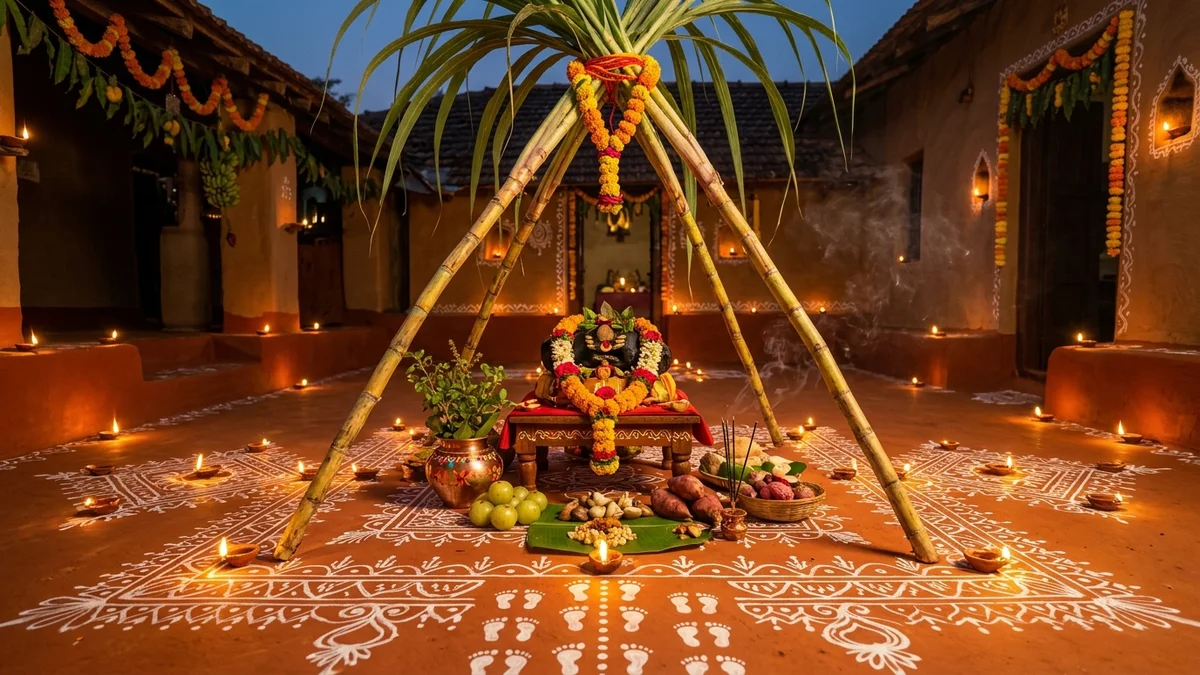
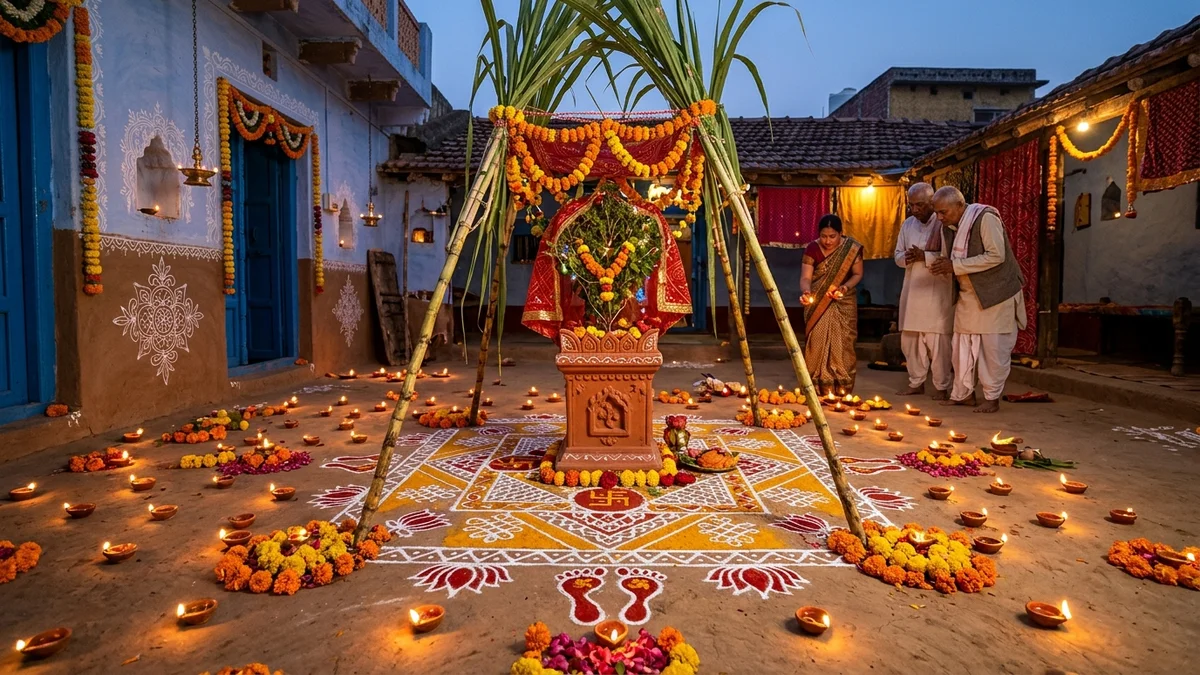
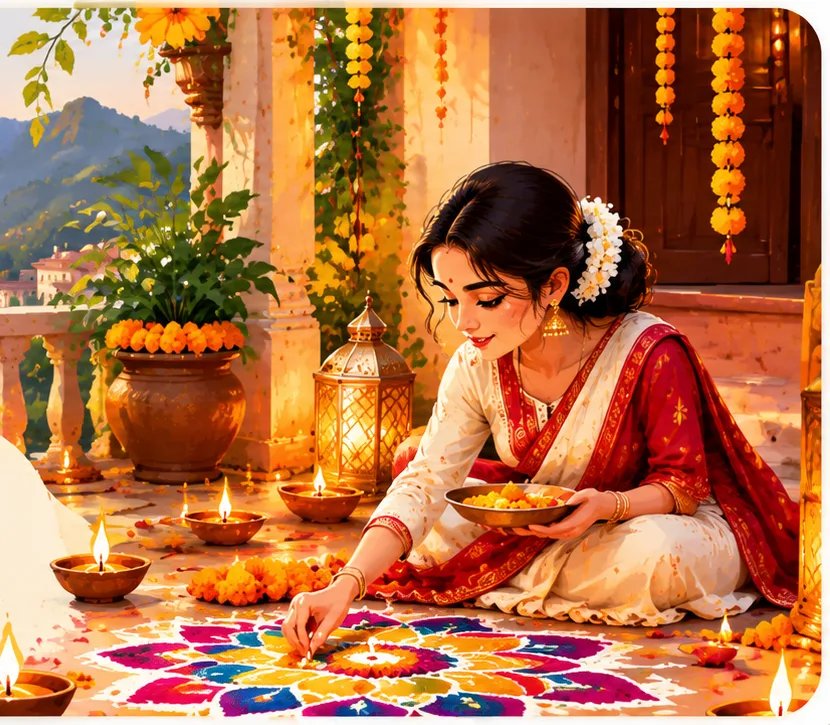
Along with this auspicious ritual of Deepdan, you can decorate your courtyard with our special Tulsi Vivah Chowk Rangoli designs and perform Deepdan with this sacred method on the upcoming Dev Uthani Ekadashi and Tulsi Vivah.
Frequently Asked Questions (FAQs)
Q1: How many lamps is it most auspicious to offer on Kartik Purnima?
Answer: On Kartik Purnima and Dev Deepawali, offering a lamp with 365 wicks, or 51, 21, 14, 11, or at least 5 lamps is considered highly auspicious. A 365-wick lamp provides the merit of daily Deepdan for the entire year.
Q2: What should I do to ensure the lamp doesn't sink while performing Deepdan in a river?
Answer: When performing Deepdan in flowing water, place the light earthen lamp inside a leaf boat (like a Palash or banana leaf boat). Balance it with a few rice grains and marigold petals, and gently float it in the direction of the current.
Q3: Can a lamp made of flour be used for Deepdan?
Answer: Yes, a lamp made of wheat flour is considered extremely sacred and wish-fulfilling. When floated in water, it serves as food for aquatic life, granting double the merit.
Q4: What is the most precise time for Deepdan in the evening?
Answer: The best time for Deepdan is the Pradosh Kaal (the 2 hours and 24 minutes immediately following sunset). A lamp lit during this twilight hour, when day meets night, is readily accepted by both deities and ancestors.
Q5: Can lighting a lamp at home pacify Pitr Dosh?
Answer: Yes, lighting a sesame oil lamp in the South direction of the house or keeping a lamp daily near the water source in the kitchen pleases the ancestors, who then bless the family with happiness and peace.