When is Utpanna Ekadashi 2026? [Date and Auspicious Puja Timing] Know the Vrat Katha, Paran Time, Samagri List, and Simple Puja Method
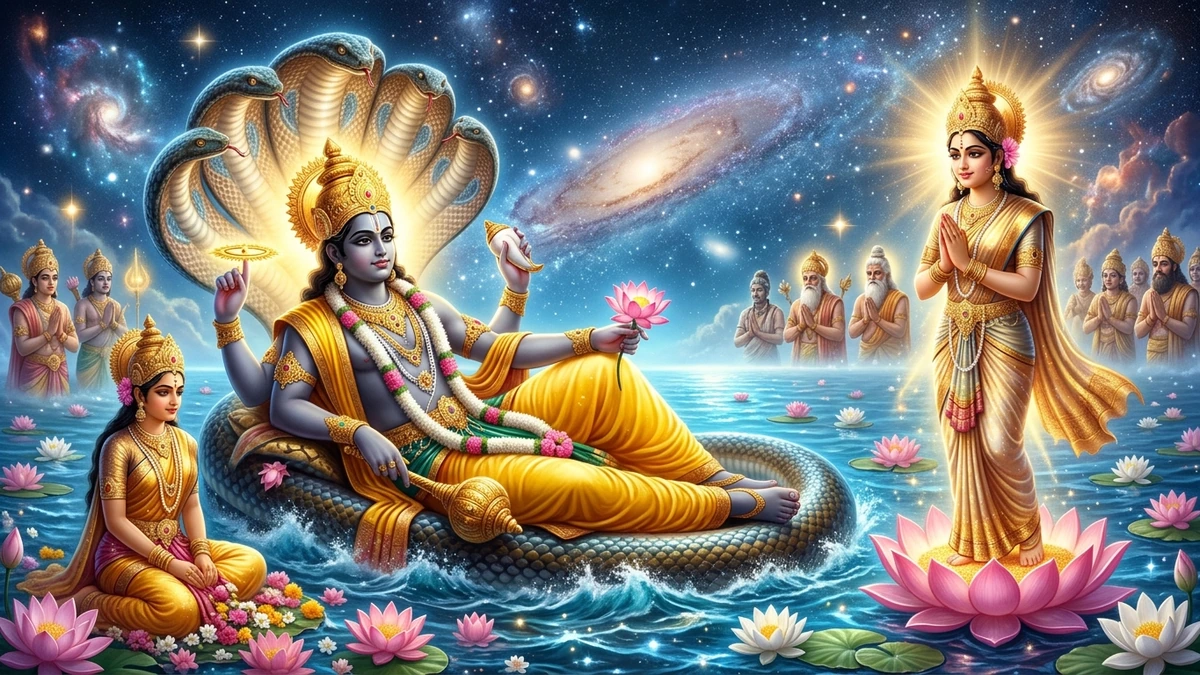 AI-generated illustration
KEY HIGHLIGHTS
Discover the exact date, auspicious Shubh Muhurat, and Choghadiya for Utpanna Ekadashi 2026. Explore the sacred Vrat Katha, precise Parana timing, and simple worship rituals for Lord Vishnu. Learn the essential rules and traditional guidelines to properly initiate this sacred Ekadashi fast.
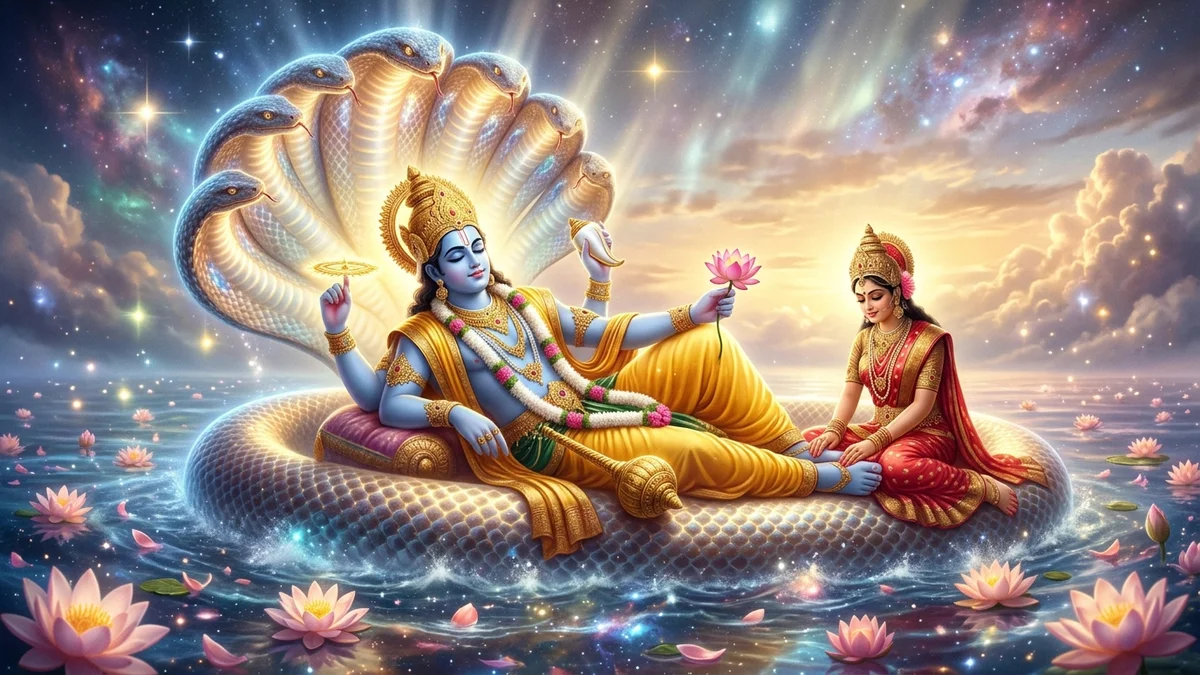
Utpanna Ekadashi 2026 (Utpanna Ekadashi 2026 Shubh Muhurat & Puja Vidhi): According to the Sanatan Hindu Panchang, the Ekadashi that falls during the Krishna Paksha of the Margashirsha month is known as Utpanna Ekadashi. According to religious beliefs, among all 24 Ekadashis that occur throughout the year, Utpanna Ekadashi holds a highly significant and revered position. Scriptures state that it was on this auspicious date that Ekadashi Mata manifested from the divine radiance of Lord Shri Hari Vishnu. She protected the gods and the world by destroying the immensely powerful demon named Mura.
Table of Contents
If you are planning to start the Ekadashi fast for the first time in your life, scriptures suggest that beginning with Utpanna Ekadashi is considered the most auspicious. In this detailed guide, let us learn in simple and easy terms—the correct date for Utpanna Ekadashi 2026, the most precise auspicious puja muhurat, Choghadiya, Dwadashi paran time, the complete mythological story, and the simple worship method.
Utpanna Ekadashi 2026: Key Highlights & Quick Facts
| Details | Panchang & Timing (2026) |
|---|---|
| Auspicious Festival / Fast | Utpanna Ekadashi |
| Hindu Month & Paksha | Margashirsha Month (Aghan), Krishna Paksha |
| Main Deities | Lord Shri Hari Vishnu and Goddess Ekadashi |
| Ekadashi Tithi Begins | Start of Margashirsha Krishna Ekadashi Tithi |
| Best Puja Muhurat | Brahma Muhurat (05:12 AM - 06:05 AM) & Amrit Choghadiya |
| Dwadashi Paran Time | Next day from 07:02 AM to 09:15 AM |
Utpanna Ekadashi 2026: The Most Precise Auspicious Puja Muhurat
In Hinduism, the full benefits of any fast or ritual are attained only when performed during the correct, scripture-approved auspicious time. The following timings are considered best for worshipping Lord Vishnu and Goddess Lakshmi on Utpanna Ekadashi:
- Brahma Muhurat (Spiritual Meditation & Sankalp): 05:12 AM to 06:05 AM. One should bathe and take the sacred vow (Sankalp) of the fast during this time.
- Morning Shubh Choghadiya (Vishnu Puja Muhurat): 08:25 AM to 09:45 AM. This time is highly fruitful for performing Panchamrit Abhishek of Lord Vishnu and lighting the lamp.
- Abhijit Muhurat (Time for Success in All Tasks): 11:50 AM to 12:35 PM. For devotees wishing to perform special Havan, Gita recitation, or Vishnu Sahasranama, Abhijit Muhurat is the best.
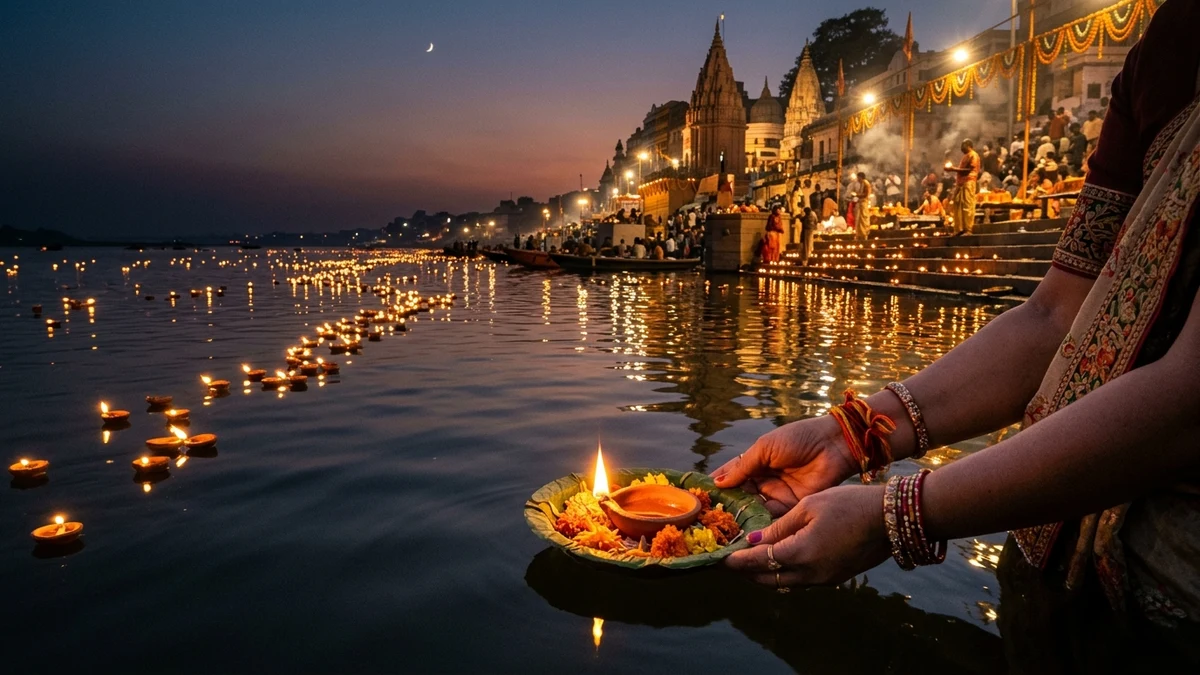
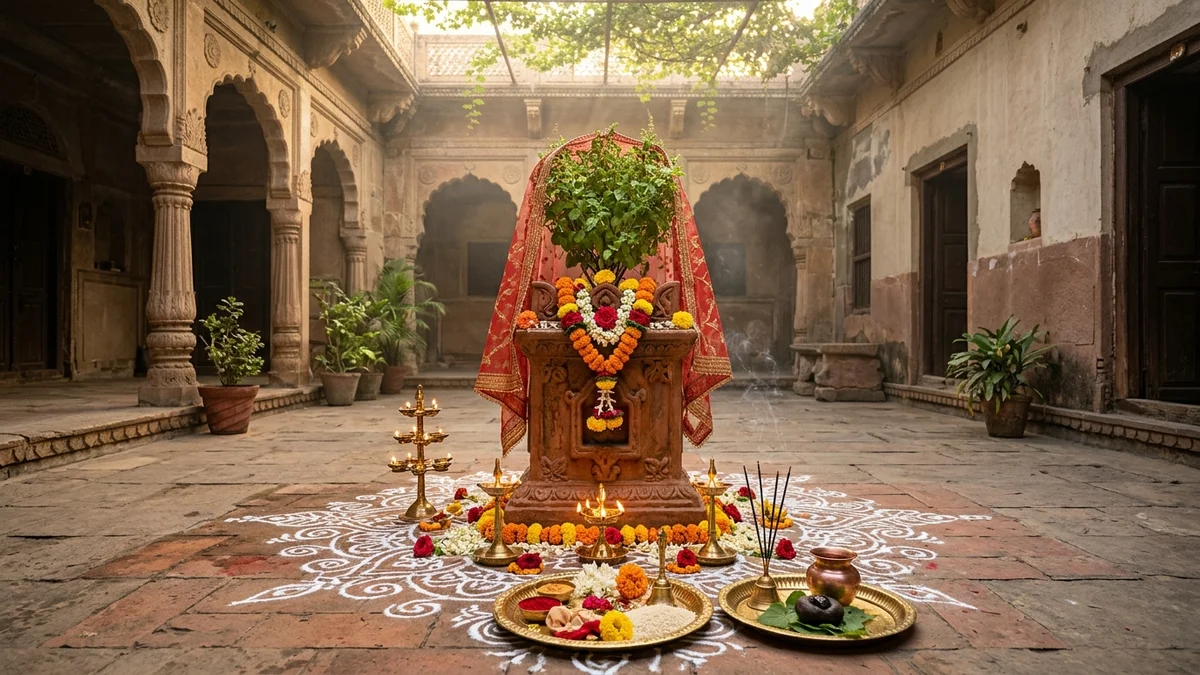
- Evening Godhuli Muhurat (Deepdaan & Aarti): 05:25 PM to 06:10 PM. During this time, light a ghee lamp before Tulsi Ji and at the main entrance of the house.
Significance of Utpanna Ekadashi Fast: A Boon for First-Timers
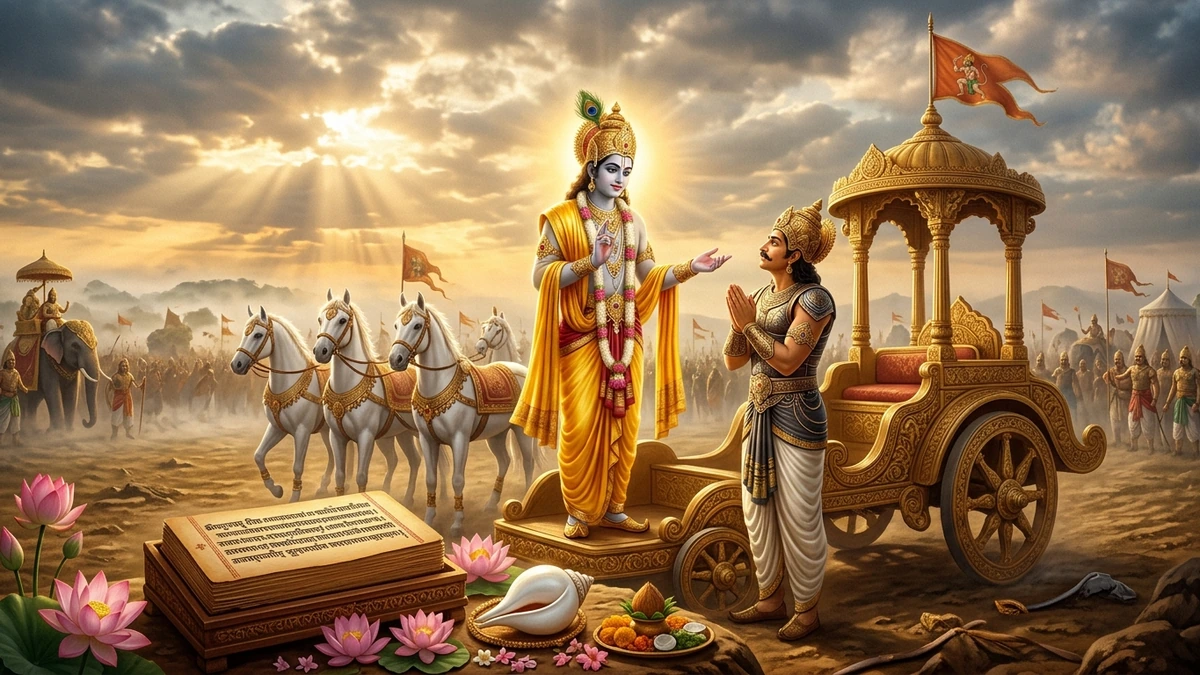
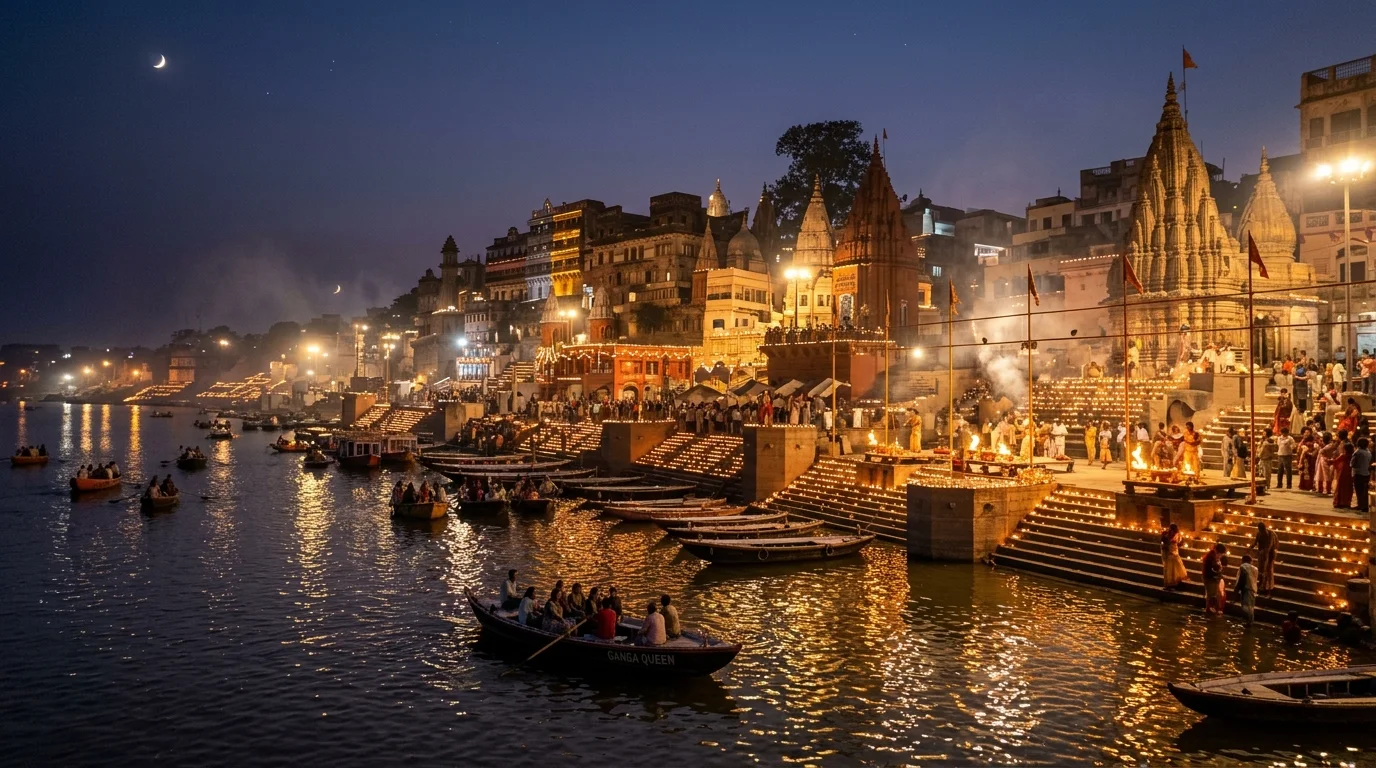
In the Padma Purana, Lord Shri Krishna himself told Yudhishthira that the merit gained from bathing in all holy rivers and performing charity is attained simply by observing the Ekadashi fast with devotion. Utpanna Ekadashi is considered the mother of all Ekadashis.
The primary benefits of this fast are:
- Eradication of Past Sins: It provides liberation from unintentional sins and mental stress.
- Health and Prosperity: Fasting on this day detoxifies the body and promotes the flow of positive energy.
- Attainment of Moksha: Devotees who observe this fast with devotion are granted a place in Vaikuntha Loka at the end of their lives.
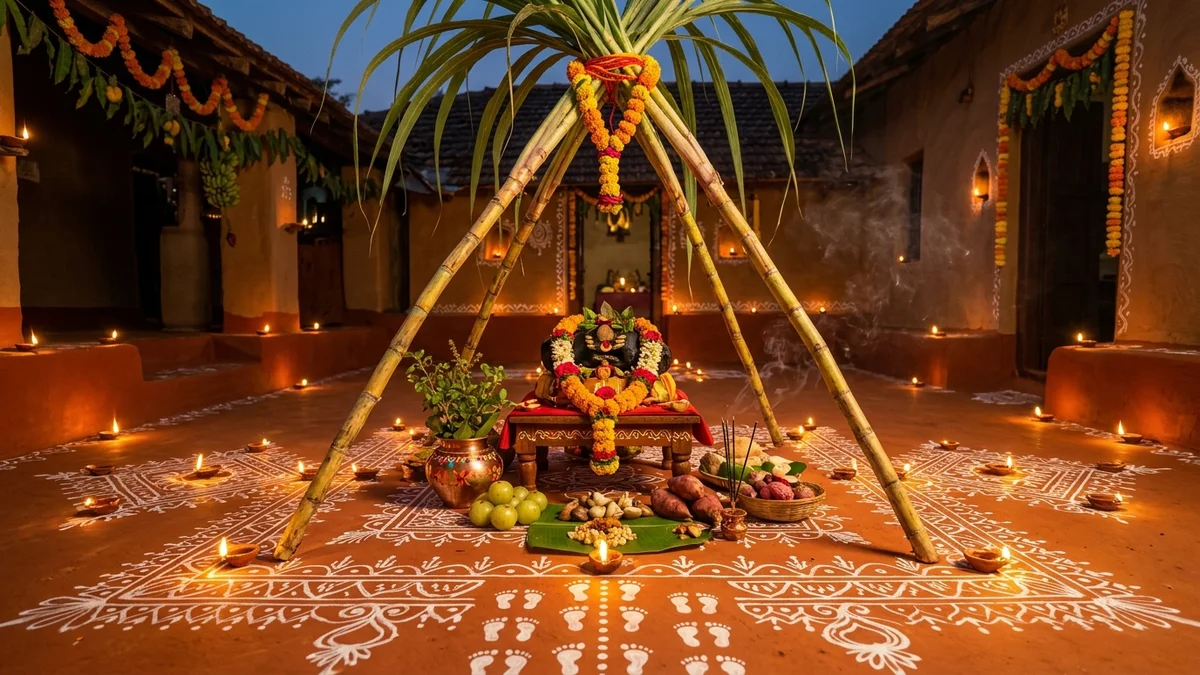
Utpanna Ekadashi Puja Samagri List
Before beginning the puja, gather the following sacred items to ensure the ritual proceeds without any obstacles:
- A beautiful idol or picture of Lord Vishnu and Goddess Lakshmi.
- Yellow silk cloth (to spread on the altar) and yellow flowers/garlands for the Lord.
- Panchamrit (Raw cow's milk, curd, desi ghee, honey, and Gangajal).
- Fresh Tulsi leaves (Note: Tulsi leaves should not be plucked on Ekadashi; pluck them on Dashami).
- Seasonal fruits (Banana, Apple, Water Chestnut), yellow sweets, or Panjiri as Prasad.
- Incense, lamp (pure desi ghee), camphor, sandalwood, turmeric, Akshat (rice grains), and Kalava (sacred thread).
- Copper or brass Kalash and pure water.
Simple and Complete Puja Method for Utpanna Ekadashi
The Utpanna Ekadashi puja can be performed at home with great simplicity. Follow the steps given below:
- Morning Bath & Sankalp: Wake up before sunrise and complete your daily routine. Add a little Gangajal to your bath water and wear clean or yellow clothes. Take water and Akshat in your hand and take the vow: "O Lord Shri Hari, today I am observing the Utpanna Ekadashi fast (nirjala/fruit-based) for your sake; please accept my worship."
- Setting the Altar & Abhishek: Spread a yellow cloth on a wooden stool in the North-East (Ishan Kona) direction. Install the idols of Lord Vishnu and Ekadashi Mata. Perform the Abhishek of Shri Hari using water and Panchamrit from a conch or vessel.
- Adornment & Tilak: Apply yellow sandalwood to the Lord, offer yellow clothes, and adorn them with fresh yellow flower garlands.
- Offering Bhog & Tulsi: Offer Panjiri, fruits, and butter to Lord Vishnu. It is mandatory to offer Tulsi leaves with the Bhog of Lord Vishnu; he does not accept the offering without Tulsi.
- Mantra Chanting & Recitation: Light a ghee lamp before the Lord and chant the "Om Namo Bhagavate Vasudevaya" Mahamantra for at least one rosary (108 times). After this, recite the Shri Vishnu Sahasranama or Narayana Stotra.
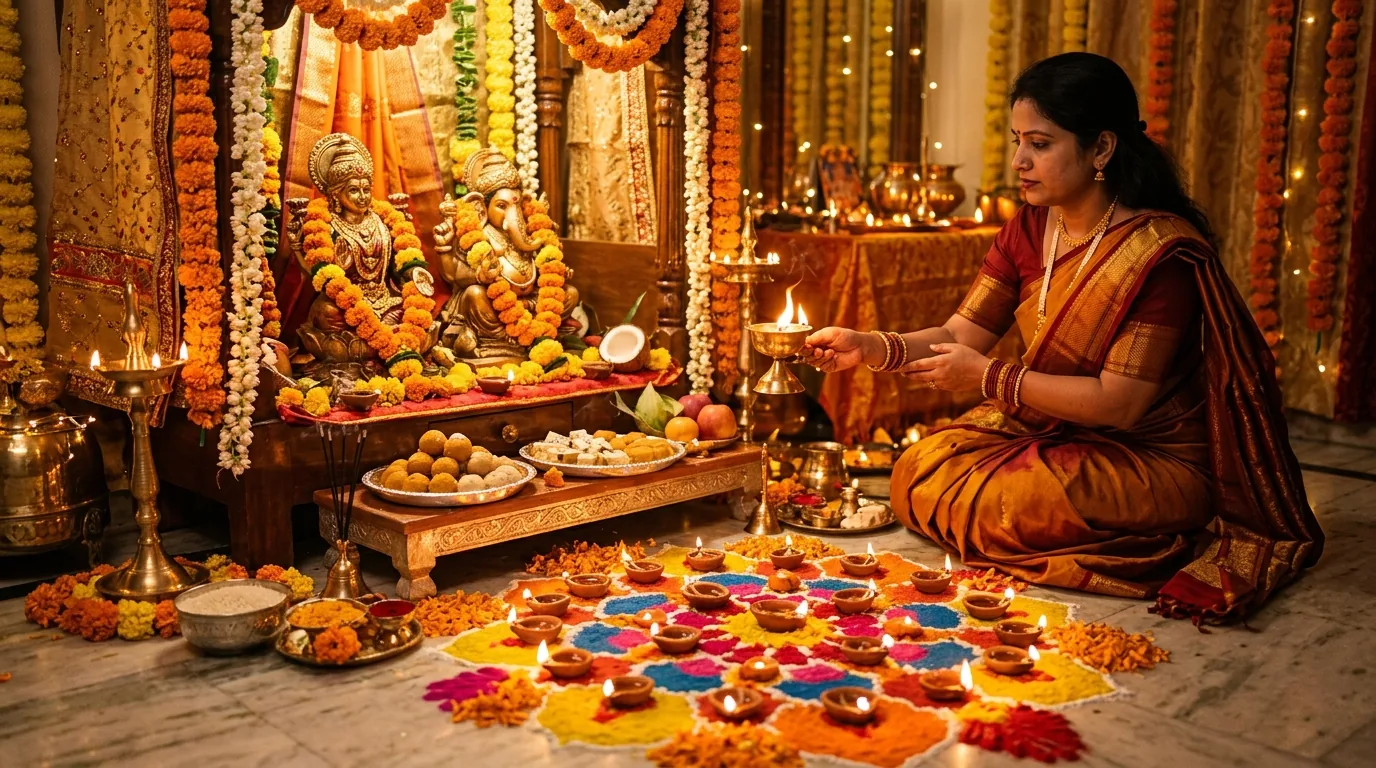
- Listening to the Vrat Katha & Aarti: Read or listen to the authentic Utpanna Ekadashi Vrat Katha while showing incense and lamp. Finally, perform the Aarti of Lord Vishnu and Goddess Lakshmi with camphor with love and devotion.
Mythological Story of Utpanna Ekadashi
According to the scriptures, in the Satya Yuga, there was an immensely powerful and cruel demon named Mura. Using his demonic powers, he defeated Indra, Varuna, Yama, and all the gods, taking control of heaven. Distressed, all the gods went to Lord Shiva. Lord Shiva advised them to seek refuge in Lord Vishnu.
Hearing the cries of the gods, Lord Vishnu engaged in battle with Mura's army. A fierce war continued between the Lord and the demons for years. Exhausted from the battle, Lord Vishnu went to rest in the 12-yojana-long Hemavati Cave in Badarikashrama. Seeing the Lord asleep, the demon Mura thought of launching a fatal attack on him from behind.
At that very moment, a radiant goddess, equipped with divine weapons, manifested from Lord Vishnu's body. With a thunderous roar, the goddess challenged the demon Mura to battle and killed him with her sharp arrows. When Lord Vishnu woke up, he found Mura dead and asked the goddess for her introduction.
The goddess said, "O Lord! I am your power, born from your own essence and radiance." Lord Vishnu was extremely pleased and said—"Since you manifested on the Margashirsha Krishna Ekadashi, your name from today will be 'Ekadashi'. Whoever worships you and observes a fast on this day will have all their sins burned to ashes and will attain Moksha." Since then, this date is celebrated as Utpanna Ekadashi.
Essential Rules for Breaking the Fast (Paran Timing & Rules)
The full benefit of the Ekadashi fast is attained only when it is broken at the scripture-approved time:
- Paran within Dwadashi Tithi: It is necessary to break the Ekadashi fast before the Dwadashi Tithi ends.
- Paran Prohibited in Harivasar: The first quarter of Dwadashi is called 'Harivasar'; one should not consume food during this time. Break the fast only after Harivasar ends.
- Charity: Before breaking the fast, donate food, clothes, and Dakshina to the needy, poor, or Brahmins according to your capacity.
- Breaking the Fast with Sattvic Food: Prepare Sattvic food to break the fast. Break the fast by consuming Tulsi leaves or Charanamrit first, then partake in the Sattvic meal.
Do's and Don'ts on Utpanna Ekadashi
Do's
- Maintain a calm mind and remember the Lord's name throughout the day.
- Wear yellow clothes and donate yellow items.
- Perform Sankirtan and Jagran of Shri Hari at night.
- Feed green fodder to cows and provide food and water to birds.
Don'ts
- Consumption of rice is strictly prohibited on Ekadashi.
- Do not consume onion, garlic, meat, or alcohol in the house.
- Do not pluck Tulsi leaves from the plant on this day.
- Do not speak with anger, jealousy, or harsh words towards anyone.
Frequently Asked Questions (FAQs)
Q1: Who should start the Utpanna Ekadashi fast?
Answer: For anyone wishing to start the fast of 24 Ekadashis for the first time, starting with Utpanna Ekadashi is considered best in the scriptures because this is the day Goddess Ekadashi manifested.
Q2: Can we eat rice on Utpanna Ekadashi?
Answer: No, according to the scriptures, no one (whether they are fasting or not) should consume rice on the auspicious day of Ekadashi. Mythological belief states that eating rice on Ekadashi is equivalent to consuming the blood and flesh of Maharishi Medha.
Q3: Which mantra should be chanted on Utpanna Ekadashi?
Answer: Chanting Lord Vishnu's twelve-syllable Mahamantra "Om Namo Bhagavate Vasudevaya" and the "Hare Rama Hare Rama Rama Rama Hare Hare, Hare Krishna Hare Krishna Krishna Krishna Hare Hare" is considered most beneficial on Utpanna Ekadashi.
Q4: What should be used to break the Ekadashi fast?
Answer: Break the fast on Dwadashi morning after bathing and puja by consuming the Lord's Charanamrit, Tulsi leaves, or Amla. After this, consume Sattvic food.