When is Saphala Ekadashi 2026? [Date & Auspicious Puja Muhurat] Know the Complete Vrat Katha, Parana Time, Puja Vidhi, and 10 Essential Rules
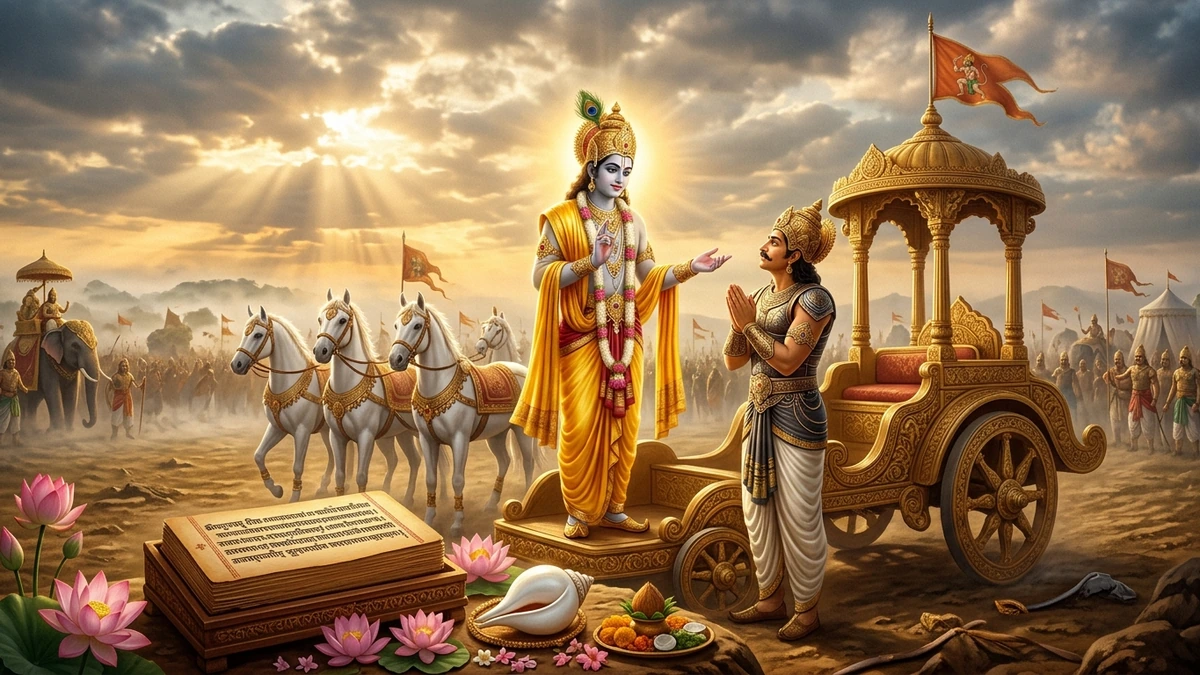
 AI-generated illustration
KEY HIGHLIGHTS
Celebrate Saphala Ekadashi 2026 with deep devotion. Discover the accurate date, auspicious Choghadiya timings for puja, and essential Dwadashi Parana schedules. Immerse yourself in the transformative Vrat Katha of King Lumpaka and follow simple rituals to honor Lord Vishnu. May this sacred fast bring fulfillment, spiritual success, and divine blessings to your life.
Saphala Ekadashi 2026 (Saphala Ekadashi 2026 Shubh Muhurat, Puja Vidhi & Katha): In the tradition of Sanatan Hindu Dharma, the Ekadashi Tithi of the Krishna Paksha (waning phase of the moon) in the month of Paush is known as Saphala Ekadashi. True to its name, the influence of this Ekadashi is believed to make every endeavor 'Saphala' or successful. It is clearly mentioned in the Shastras and Puranas that seekers who, for some reason, could not observe Ekadashi fasts throughout the year, can attain the merit equivalent to all the year's Ekadashis by observing the Saphala Ekadashi fast according to the rules. This fast is said to resolve all stalled and hindered tasks.
Table of Contents
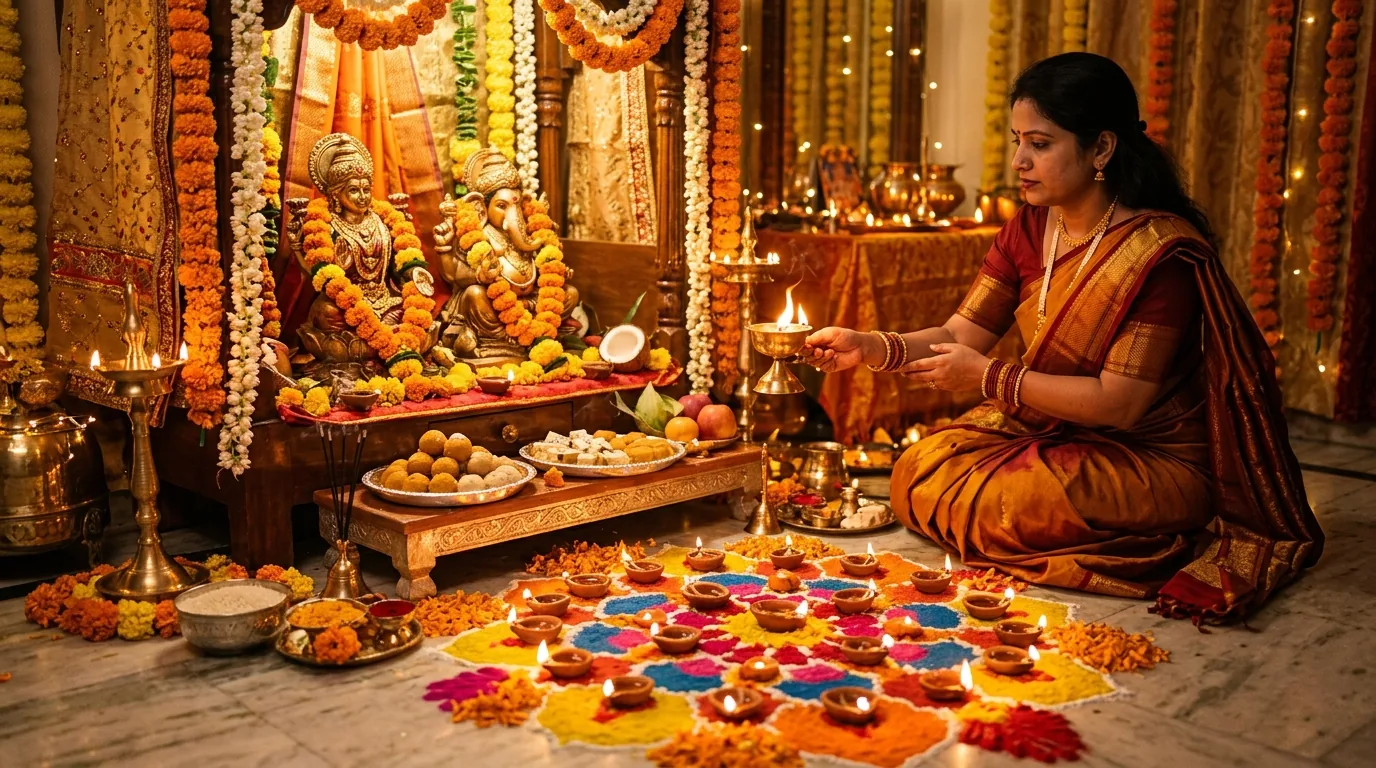
On the day of Saphala Ekadashi, special prayers are offered to Lord Shri Hari Vishnu, the sustainer of the universe, and Goddess Maha Lakshmi. On this holy occasion, there is a special tradition of offering seasonal fruits, dry fruits, Amla (Indian gooseberry), and Tulsi leaves to Lord Vishnu. In this detailed guide, let’s explore in simple English—the correct date of Saphala Ekadashi 2026, the most accurate auspicious Puja Muhurat, Choghadiya, Dwadashi Parana time, the complete legendary Vrat Katha, and the simple Puja Vidhi.
Saphala Ekadashi 2026: Key Highlights & Quick Facts
| Description | Panchang & Timing (2026) |
|---|---|
| Holy Festival / Fast | Saphala Ekadashi |
| Hindu Month & Paksha | Paush Month, Krishna Paksha |
| Primary Deity | Lord Shri Hari Vishnu and Goddess Lakshmi |
| Significance of Ekadashi | Success in all tasks and fulfillment of desires |
| Best Puja Muhurat | 08:35 AM to 09:55 AM (Shubh Choghadiya) |
| Dwadashi Parana Time | Next day from 07:15 AM to 09:22 AM |
Saphala Ekadashi 2026: Most Accurate Auspicious Puja Muhurat
According to the Panchang, observing the Ekadashi fast and performing prayers at the right time yields millions of times more merit. The following auspicious Muhurats are recommended by the scriptures for the worship of Lord Vishnu on Saphala Ekadashi:
- Brahma Muhurat (Spiritual Practice & Resolution): 05:22 AM to 06:16 AM. During this sacred period, one should take a bath with water mixed with holy river water or Gangajal and take a sacred vow (Sankalp) for the fast.
- Morning Shubh Choghadiya (Main Puja Muhurat): 08:35 AM to 09:55 AM. This time is excellent for performing the Panchamrit Abhishek of Shri Hari and offering yellow flowers.
- Abhijit Muhurat (Time for Success in All Tasks): 11:58 AM to 12:41 PM. Reciting the Vishnu Sahasranama, Kanakadhara Stotram, or the Bhagavad Gita during this period yields miraculous results.
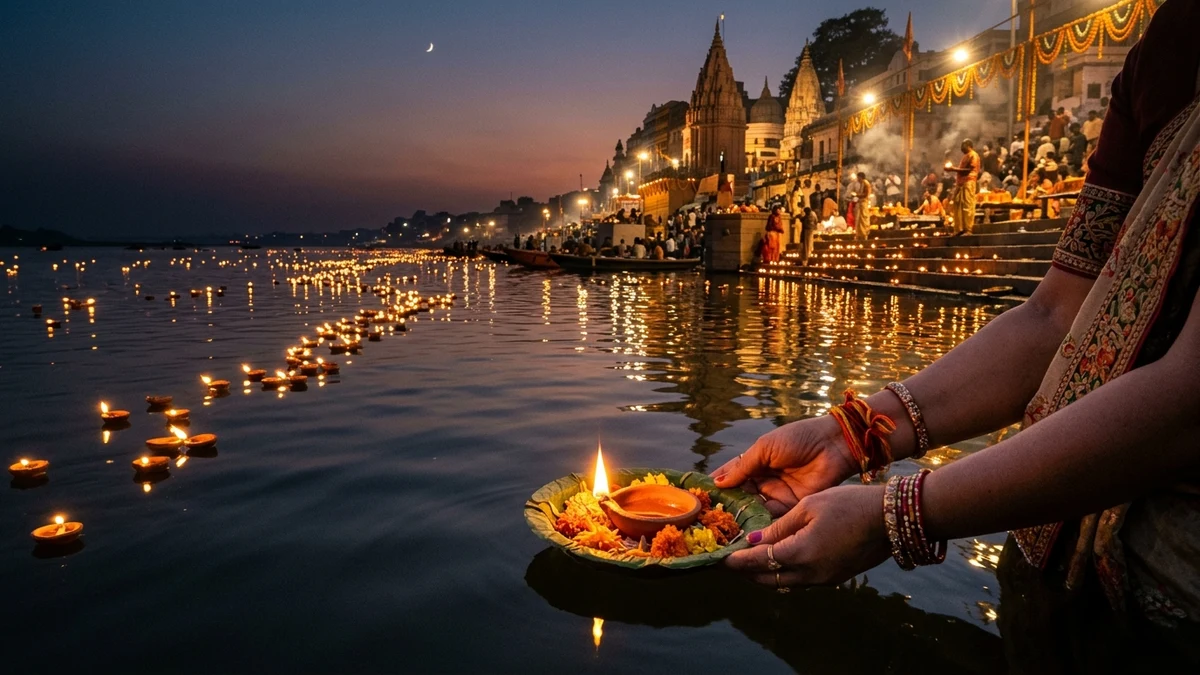
- Evening Gaudhuli Bela (Lamp Offering & Aarti): 05:32 PM to 06:18 PM. At this time, light a nine-wick ghee lamp near the Tulsi plant and offer lamps at the main entrance of the house.
Significance of Saphala Ekadashi Vrat: Beliefs from Padma Purana
In the Uttara Khanda of the Padma Purana, Lord Shri Krishna himself, while explaining the glory of Saphala Ekadashi to Maharaja Yudhishthira, stated that the merit which cannot be obtained through thousands of years of rigorous penance or the Ashvamedha Yagya can be achieved simply by observing the Saphala Ekadashi fast with a selfless heart.
Key religious and spiritual benefits of this fast include:
- Success in Stalled Tasks: If a person's business, job, or any important work has been stuck for a long time, observing the Saphala Ekadashi fast automatically removes all obstacles from the path.
- Atonement for Sins: It helps in the mitigation of all sins committed unknowingly in past lives and the current life.
- Family Happiness and Prosperity: By the grace of Lakshmi-Narayana, the household is blessed with permanent wealth, peace, and good health.
Saphala Ekadashi Puja Samagri List (Complete Items List)
Before starting the puja, gather these sacred items:
- A beautiful picture or brass idol of Lord Vishnu and Goddess Lakshmi.
- Yellow silk cloth (to spread on the altar/Chauki).
- Panchamrit (raw cow's milk, curd, desi ghee, honey, Gangajal).
- Fresh Tulsi leaves (pluck them on Dashami evening and keep them safe).
- Seasonal fruits—especially Amla, banana, water chestnut (Singhara), orange, and coconut.
- Incense, desi ghee lamp, camphor, saffron, yellow sandalwood, kumkum, and Akshat (unbroken rice).
- Yellow marigold flowers and a Tulsi garland.
Simple and Complete Puja Vidhi for Saphala Ekadashi (Step-by-Step)
- Morning Bath & Resolution: Wake up before sunrise. Add Gangajal and a pinch of turmeric to your bathing water. Wear clean yellow clothes. Take water, Kusha grass, and sesame seeds in your hand and make a resolution (Sankalp): "Mam Sarvakarya Siddhaye Shri Lakshminarayana Pritaye Cha Saphala Ekadashi Vratamaham Karishye."
- Setting up the Altar: Clean the North-East direction of the puja room and spread a yellow cloth on a wooden altar. Place the idols of Lord Vishnu and Goddess Lakshmi on it.
- Panchamrit Bath & Tilak: Fill a Dakshinavarti Shankh (right-handed conch) with Gangajal and Panchamrit and perform the Abhishek of the Lord. After this, apply a tilak of yellow sandalwood and saffron.
- Offering Fruits & Tulsi: Offer Amla and seasonal fruits to the Lord. Worship of Shri Hari is incomplete without Tulsi leaves, so ensure Tulsi is included in the food offering (Bhog).
- Vrat Katha & Mantra: Light the incense and lamp and listen to the Saphala Ekadashi Vrat Katha. Chant the Maha-mantra "Om Namo Bhagavate Vasudevaya" 108 times using a Tulsi mala.
- Aarti & Night Vigil: Perform the Aarti in the evening. One should not sleep on the night of Ekadashi; there is a special provision for staying awake (Jagran) while performing Bhajans and Kirtans.
The Authentic Legendary Vrat Katha of Saphala Ekadashi
According to the legend, in ancient times, King Mahishmana ruled the city of Champavati. The king had four sons, the eldest of whom, Lumpaka, was extremely wicked, sinful, and a philanderer. He always remained in the company of bad elements and troubled the subjects. When King Mahishmana saw that Lumpaka showed no signs of improvement, he sadly banished him from his kingdom.
After being exiled, Lumpaka began living under a massive Peepal tree in the forest. He would hunt wild animals during the day and commit thefts in the city at night. During the biting cold of the Paush month, on the night of Dashami, Lumpaka shivered all night due to the severe cold and could not sleep. He eventually fainted from the cold.
The next day, on Saphala Ekadashi, when he regained consciousness in the afternoon, he was distressed by hunger and thirst. Being weak, he was unable to hunt, so he gathered some fallen fruits from the forest. At sunset, when he returned to the Peepal tree, he placed all those fruits at the roots of the tree with great humility and cried out—"O Lord! O Dinanath! I do not know what my fate will be, I offer these fruits to You, have mercy on this sinner."
Even if unknowingly, Lumpaka observed the Ekadashi fast by remaining without food all day and stayed awake all night, offering fruits at the Lord's feet. Lord Shri Hari Vishnu was extremely pleased with this unintentional fast and surrender. The next morning, a divine horse and precious clothes appeared before him, and a celestial voice (Akashvani) said—"O Lumpaka! By the grace of Lord Vishnu, all your sins have been destroyed. Now return to your father; you shall be blessed."
Lumpaka returned to the city and sought forgiveness at his father's feet. The king, being pleased, handed over the kingdom to him and took Vanaprastha (retirement to the forest). Lumpaka ruled righteously throughout his life and finally attained Vaikuntha, the supreme abode of Lord Vishnu.
Rules and Timing for Saphala Ekadashi Parana
- Parana on Dwadashi: The Saphala Ekadashi fast is always broken the next day (Dwadashi Tithi) after sunrise and only after the conclusion of Hari Vasara.
- Feeding Brahmins & Charity: Before breaking the fast, donate warm clothes, sesame seeds, jaggery, and food grains to someone in need.
- Parana Items: Break the fast with the Lord's Charanamrit, Tulsi leaves, or Amla juice, and consume only Sattvic food.
Do's and Don'ts on Saphala Ekadashi
Do's
- Offer lamps (Deepdan) near Peepal and Tulsi trees.
- Offer and donate Amla and yellow fruits.
- Distribute woolen clothes and food to the poor.
- Remain calm throughout the day and meditate on "Om Namo Narayanaya."
Don'ts
- Do not eat rice, brinjal, masoor dal, or Tamasic food.
- Do not cut hair or nails on the day of Ekadashi.
- Do not harbor jealousy, anger, or use abusive language toward anyone.
- Sleeping during the day is considered forbidden.
Frequently Asked Questions (FAQs)
Question 1: What specific benefit is obtained by observing the Saphala Ekadashi fast?
Answer: According to the scriptures, observing the Saphala Ekadashi fast ensures success in all stalled works of the seeker, removes financial crises, and ultimately leads to the state of salvation (Moksha).
Question 2: What special items should be offered to Lord Vishnu on Saphala Ekadashi?
Answer: Offering Amla, coconut, betel nut, guava, and yellow marigold flowers to Lord Vishnu on this day is described in the scriptures as being particularly rewarding.
Question 3: Can we worship the Peepal tree on Saphala Ekadashi?
Answer: Yes, in the legendary story, Lumpaka performed penance under the Peepal tree. Offering water and milk to the roots of the Peepal tree on Ekadashi and lighting a lamp in the evening is considered highly auspicious.