When is Margashirsha Pradosh Vrat 2026? [Pradosh Kaal Puja Shubh Muhurat] Know Shiva Puja Vidhi, Fruitful Vrat Katha, and Deepdan Rules
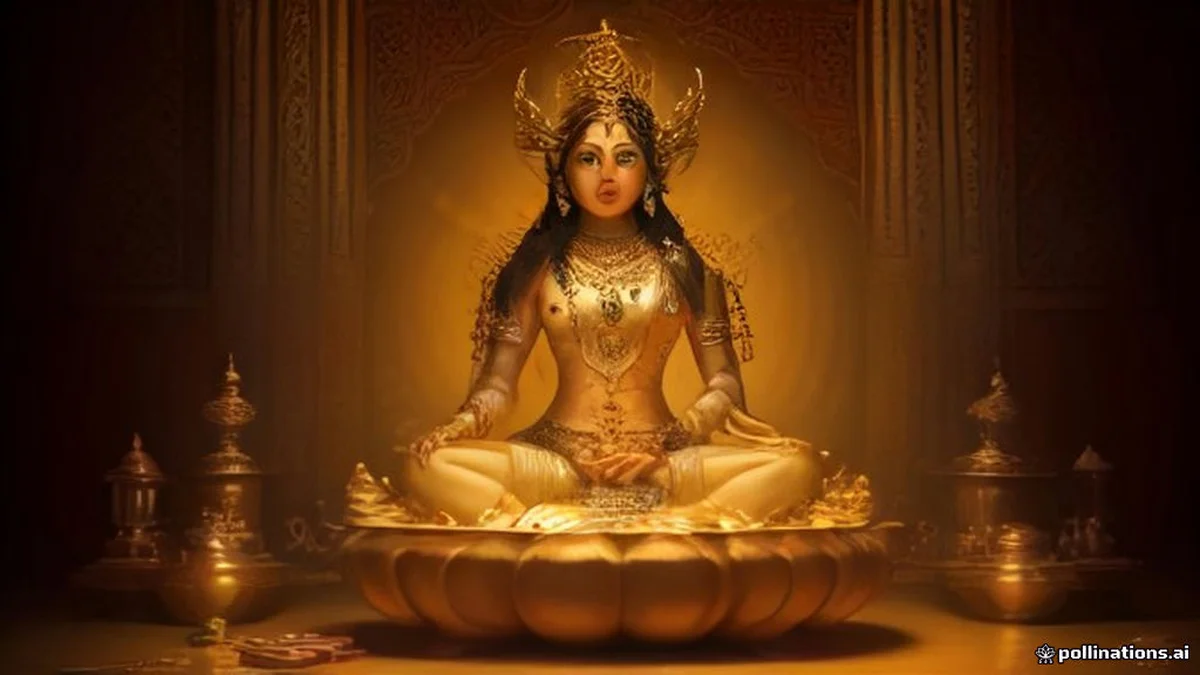
 AI-generated illustration
KEY HIGHLIGHTS
Discover the precise date and auspicious evening Pradosh Kaal timings for the 2026 Margashirsha Pradosh Vrat. This guide offers a simple ritual for Shivling Abhishek, the sacred Dharmagupta legend, and essential fasting guidelines to help you observe this divine day with devotion and spiritual clarity.
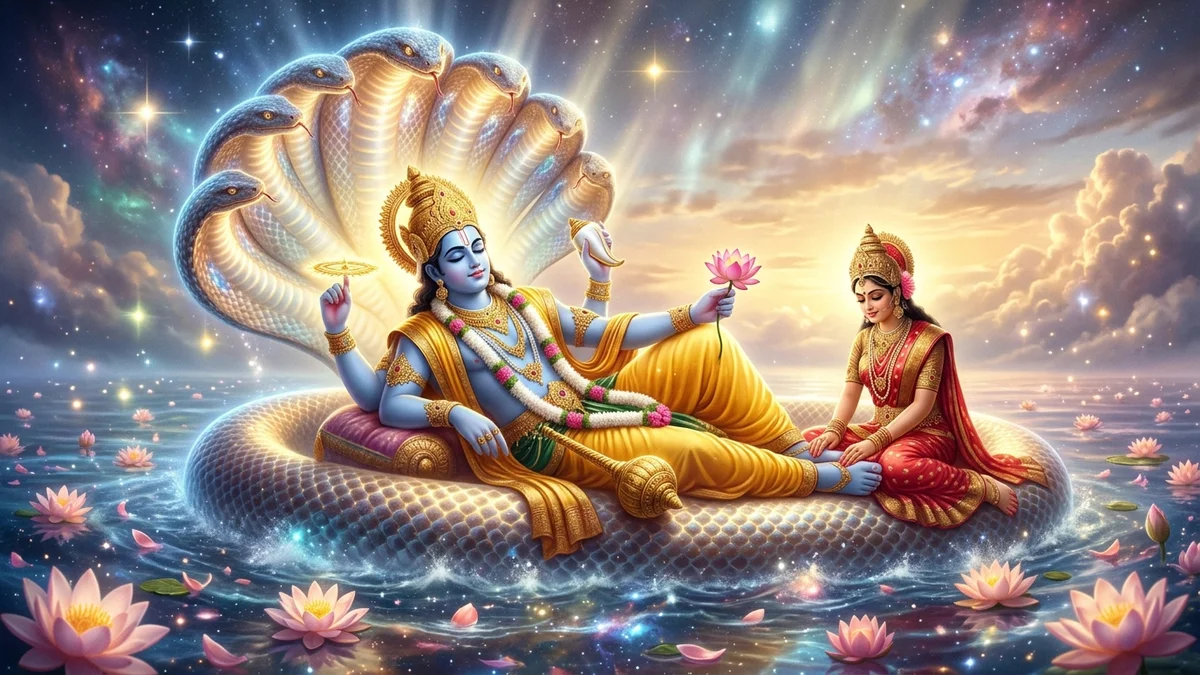
Margashirsha Pradosh Vrat 2026 (Margashirsha Pradosh Vrat 2026 Shubh Muhurat, Shiva Puja Vidhi & Katha): In Sanatan Dharma, the Trayodashi Tithi is considered the most sacred day for the worship and adoration of Lord Mahadev, the God of Gods. The Pradosh Vrat is observed on the Trayodashi of both fortnights (Shukla and Krishna Paksha) of every month. According to the Shiva Purana, the period of approximately two and a half hours after sunset is known as 'Pradosh Kaal'. During this auspicious time, Lord Shiva, in an extremely joyful state along with Goddess Parvati, performs the divine 'Ananda Tandava' on Mount Kailash and fulfills all the wishes of his devotees.
Table of Contents
Observing the Pradosh Vrat in the month of Margashirsha (Agahan) grants eternal freedom from all diseases, fears, poverty, and debts (loans). In this comprehensive guide, let’s explore in simple words—the correct date of Margashirsha Pradosh Vrat 2026, the most accurate Shubh Muhurat for Pradosh Kaal, a simple method for Shivling Abhishek, the fruitful mythological Vrat Katha, and 10 essential rules for Deepdan.
Margashirsha Pradosh Vrat 2026: Key Highlights & Quick Facts
| Description | Panchang & Timings (2026) |
|---|---|
| Sacred Festival / Fast | Margashirsha Pradosh Vrat |
| Hindu Tithi & Month | Margashirsha Month, Trayodashi Tithi |
| Principal Deity | Lord Mahadev (Shiva) and Goddess Parvati |
| Main Puja Period | Pradosh Kaal (2 hours 24 minutes after evening sunset) |
| Best Puja Muhurat | 05:25 PM to 08:06 PM |
| Vrat Parana Time | After sunrise on the next day (Chaturdashi) |
What is Pradosh Kaal and what is its Religious Significance?
In the Hindu calendar, the period exactly 45 minutes before sunset and 45 minutes after sunset (totaling approximately 1.5 to 2 hours and 24 minutes) is called Pradosh Kaal. The 'Kashi Khand' of the Skanda Purana mentions that during Pradosh Kaal, all gods, goddesses, Yakshas, Gandharvas, and sages praise Lord Shiva on Mount Kailash. At this time, offering just a pot of pure water and a Belpatra on the Shivling (Shiva's idol) yields merit equivalent to performing an Ashwamedha Yajna.
Most Accurate Shubh Muhurat for Margashirsha Pradosh Vrat 2026 Puja
- Pradosh Kaal Special Puja Muhurat: 05:25 PM to 08:06 PM. This time is best for the Shodashopachara Puja of Lord Shiva and Goddess Parvati.
- Abhijit Muhurat (Daytime Sankalp Time): 11:52 AM to 12:35 PM. This time is auspicious for devotees who wish to visit the Shiva temple during the day.
- Nishita Kaal (Mantra Sadhana Muhurat): 11:42 PM to 12:36 AM. Chanting the 'Mahamrityunjaya Mantra' or 'Panchakshari Mantra' during this time protects against incurable diseases.
Simple and Scriptural Step-by-Step Puja Vidhi for Shivling
The main ritual of Pradosh Vrat is the evening puja. Perform the worship at home or in a Shivalaya (Shiva temple) using this method:
- Evening Bath & Clean Clothes: Bathe again in the evening before sunset, or wash your hands, feet, and face and wear clean white or light-colored clothes.
- Altar & Shivling Installation: Sit facing North in your home temple. If you have a Shivling, place it in a copper or brass vessel (Water should be offered to the Shivling from a copper vessel and milk from a silver or brass vessel).
- Panchamrit & Gangajal Abhishek: First, bathe the Shivling with Gangajal. Then, perform Abhishek with raw cow's milk, curd, ghee, honey, and sugar (Panchamrit). Finally, bathe it again with pure water.
- Chandan Tripundra & Bhasma: Apply a three-lined Tripundra with white sandalwood on the Shivling and offer perfume (Ittar) and sacred ash (Bhasma).
- Belpatra, Datura & Shami Patra Offering: Offer at least 11 or 21 smooth and intact Belpatra (placed upside down) to Lord Shiva while chanting "Om Namah Shivaya". Also offer hemp (Bhang), Datura, white Mandar (Aak) flowers, and Shami leaves.
- Worship of Goddess Parvati & Nandi: Offer red vermilion (Sindoor), a red Chunari, and makeup items to Goddess Parvati (Note: Sindoor or turmeric is never offered directly to the Shivling). Offer water and Durva grass to Nandi Ji.
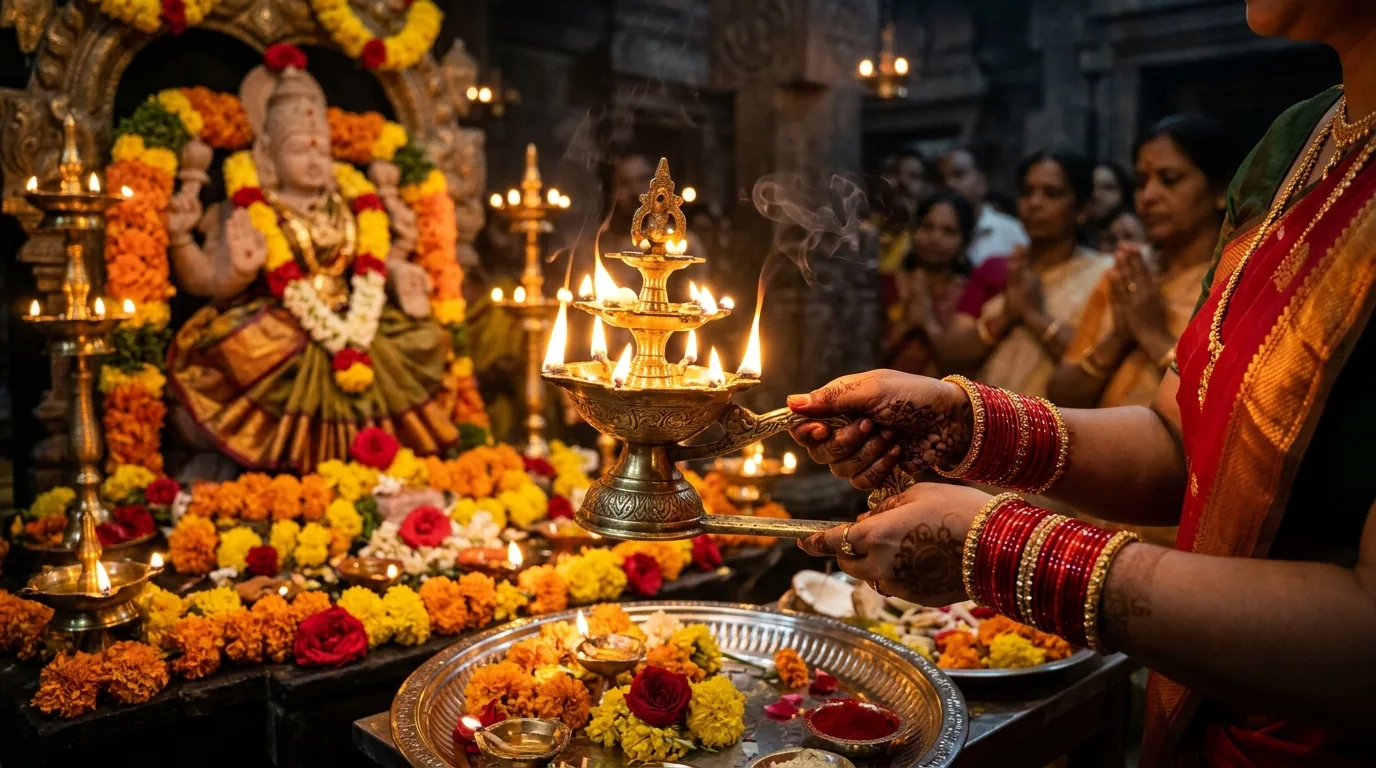
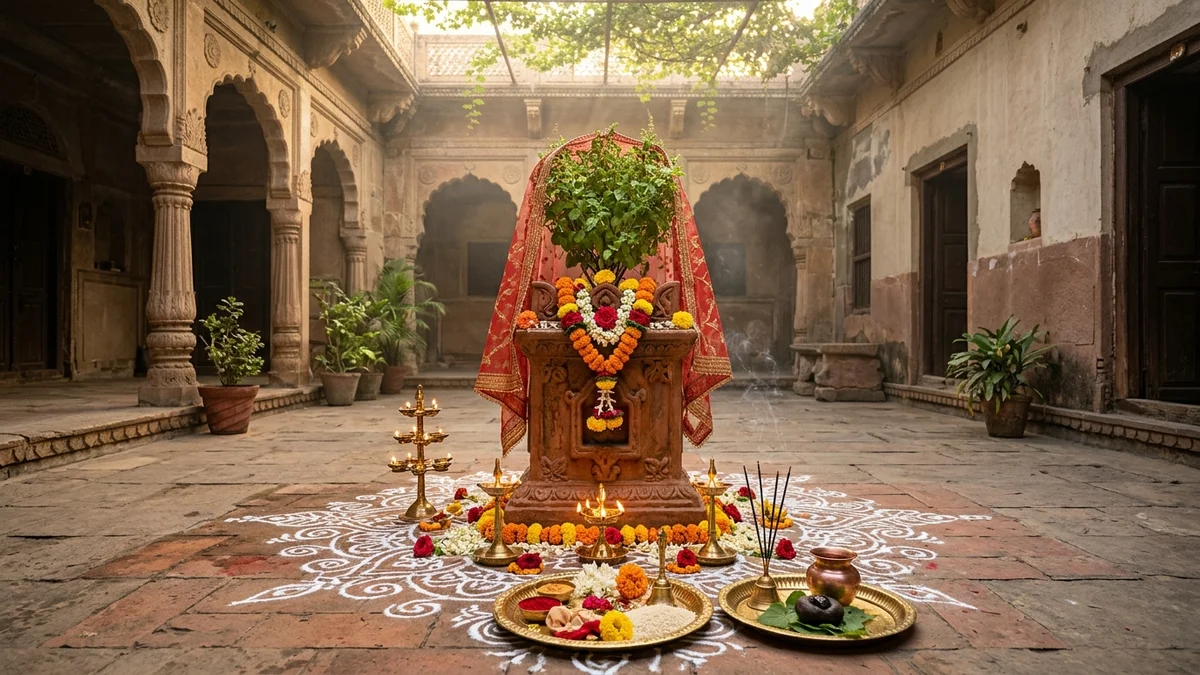
- Pradosh Vrat Katha & Maha Aarti: Light a five-wick ghee lamp and read the mythological story of Pradosh Vrat. Afterward, light camphor and perform the sacred Aarti of Lord Shiva.
Mythological Story of Margashirsha Pradosh Vrat (Vrat Katha)
According to ancient legends, there was once an extremely poor Brahmin woman. Her husband had passed away, and she lived her life by begging for alms with her young son.
One day, while returning after seeking alms, the Brahmin woman found a boy groaning in pain by the riverbank. That boy was Dharmagupta, the prince of Vidarbha, whose father had been killed in battle and his kingdom seized by enemies. The kind Brahmin woman brought the orphaned prince to her home and began raising him like her own son.
After some time, the Brahmin woman took both boys to the ashram of Sage Shandilya. Seeing the destiny of the two boys, Sage Shandilya explained the significance of Lord Shiva's Pradosh Vrat to the Brahmin woman and instructed her on how to observe the fast with proper rituals. The Brahmin woman and both boys began observing the Pradosh Vrat with full devotion.
One day, while Prince Dharmagupta was wandering in the forest, he met the Gandharva princess Anshumati, who was strolling with her friends. The Prince and Anshumati were captivated by each other. When the Gandharva King Vidravik learned that the boy was the Prince of Vidarbha, he married his daughter to Dharmagupta through the inspiration of Lord Shiva.
With the help of the Gandharva army, Prince Dharmagupta attacked his enemies, defeated them, and reclaimed his ancestral kingdom. He gave the poor Brahmin woman and her son the highest positions in the palace. All of this was possible only through the miraculous influence of the Pradosh Vrat of Goddess Parvati and Lord Shiva. Any person who observes this fast with faith finds all the poverty of their life removed.
5 Key Rules for Deepdan on Pradosh Vrat
- Lamp in Shivalaya: In the evening, be sure to light a cow's ghee lamp at the threshold of an ancient Shiva temple.
- Lamp at the Root of Belpatra Tree: Lighting a lamp under a Belpatra tree during Pradosh Kaal grants access to the treasures of Kuber himself.
- Lamp on the House Threshold: Placing lamps on both sides of the main entrance of the house prevents negative energies from entering.
Frequently Asked Questions (FAQs)
Question 1: When should one eat during Pradosh Vrat?
Answer: During Pradosh Vrat, one remains without food or on a fruit-based diet throughout the day. Fruit-based meals are consumed only after performing the ritual worship and Aarti of Lord Shiva during the evening Pradosh Kaal. The consumption of grains (Parana) happens the next morning after sunrise.
Question 2: Can turmeric or Tulsi be offered to the Shivling?
Answer: No, according to the scriptures, offering turmeric, Ketaki flowers, Tulsi leaves, and Kumkum to the Shivling is strictly forbidden. Lord Shiva only favors white sandalwood, Bhasma (ash), and Belpatra.