When is Margashirsha Purnima 2026? [Auspicious Holy Bath, Charity & Puja Timings] Satyanarayan Katha Vidhi, Dattatreya Jayanti & Moonrise Time
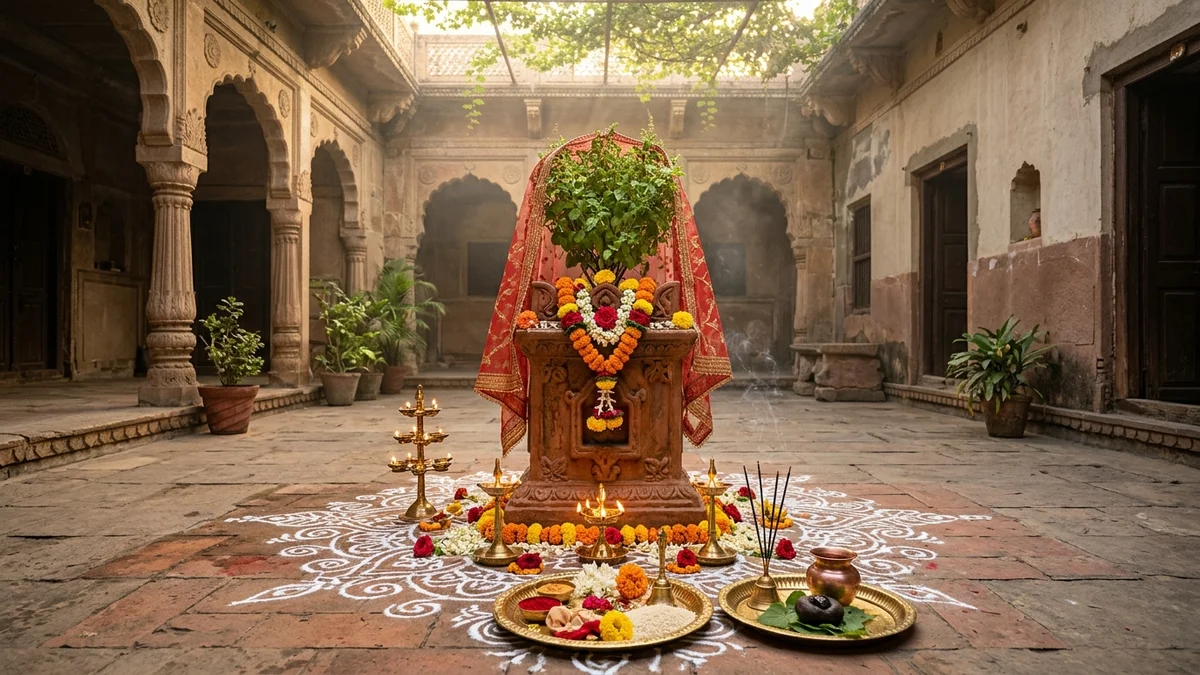
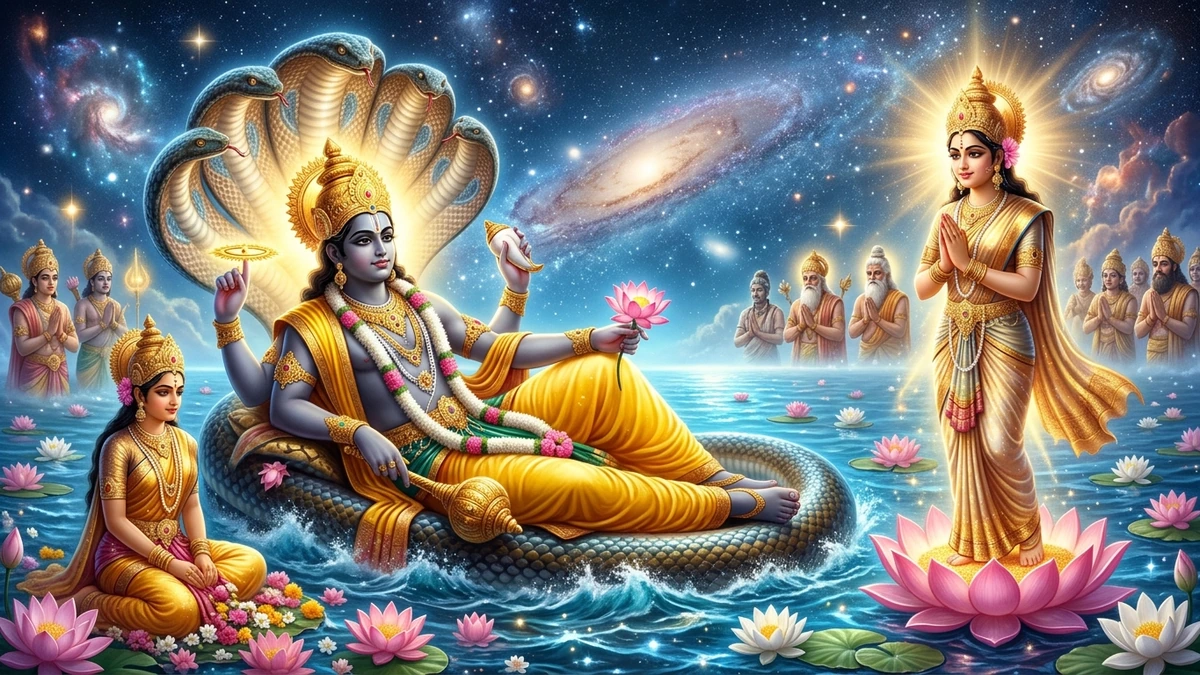
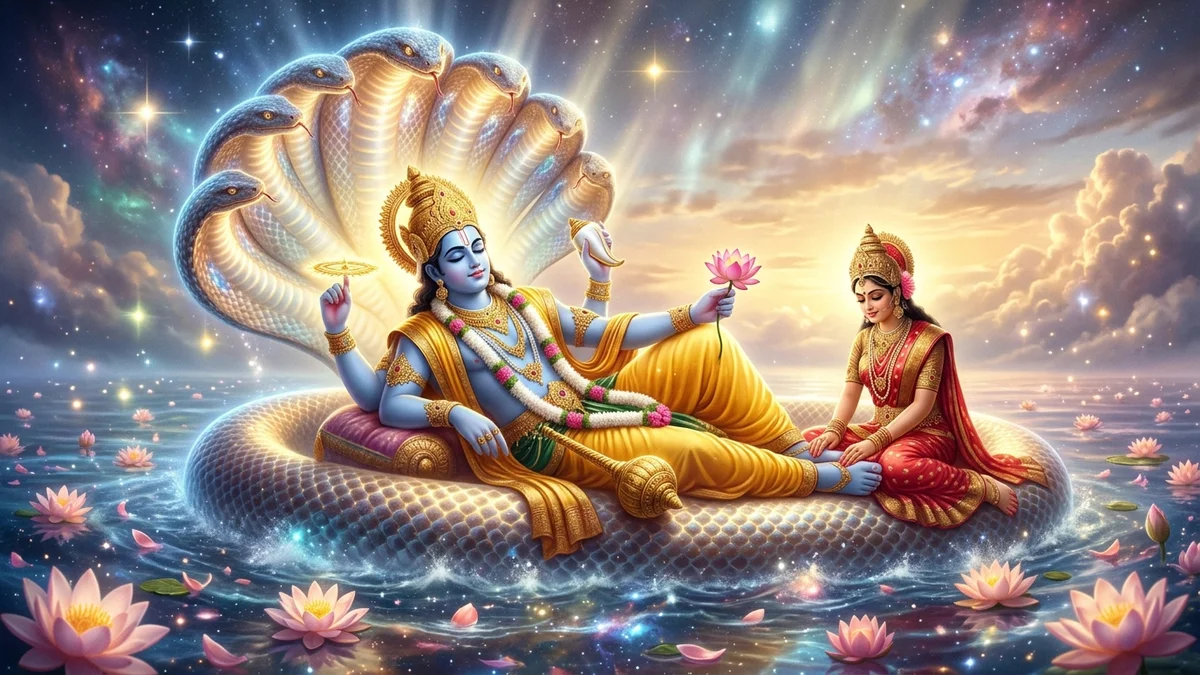
 AI-generated illustration
KEY HIGHLIGHTS
Unveil the sacred observances of Margashirsha Purnima 2026. Discover the auspicious muhurat for holy river bathing and charity, alongside ritual procedures for Shri Satyanarayan Katha. Explore the divine incarnation story of Dattatreya Jayanti and find precise timings for offering sacred Chandra Arghya to the Moon God.
Margashirsha Purnima & Dattatreya Jayanti 2026 (Margashirsha Purnima & Dattatreya Jayanti 2026 Shubh Muhurat, Snan-Dan & Satyanarayan Puja Vidhi): In Hinduism, the full moon day (Purnima) of the Margashirsha (Agahan) month holds immense spiritual and religious significance. In the Shreemad Bhagavad Gita, Lord Shri Krishna Himself declared, "Masanam Margashirsho 'Ham" meaning "Among all months, I am Margashirsha." For this reason, the Purnima of Margashirsha is considered the most supreme date for attaining salvation (Moksha) and fulfilling all heart-felt desires.
Table of Contents
It was on this divine Purnima tithi that Lord Dattatreya, the combined incarnation of the Holy Trinity (Brahma, Vishnu, and Mahesh), manifested on Earth. Additionally, Annapurna Jayanti is celebrated on this day, and households observe rituals and listen to the Shree Satyanarayan Katha for domestic peace and prosperity. Let us explore the exact date of Margashirsha Purnima 2026, auspicious timings for holy river baths and charity, Shree Satyanarayan Puja procedure, Dattatreya Jayanti legend, and moonrise timings.
Margashirsha Purnima 2026: Key Highlights & Quick Facts
| Details | Panchang & Timings (2026) |
|---|---|
| Sacred Festivals | Margashirsha Purnima, Dattatreya Jayanti & Annapurna Jayanti |
| Month & Paksha | Margashirsha Month (Agahan), Shukla Paksha Purnima |
| Presiding Deities | Lord Dattatreya, Shree Satyanarayan & Maa Annapurna |
| Brahma Muhurat (Holy Bath) | 05:18 AM to 06:12 AM |
| Satyanarayan Puja Shubh Muhurat | 09:20 AM to 11:35 AM & 01:15 PM Afternoon |
| Purnima Moonrise Time | 05:15 PM Evening (Time for Chandra Arghya) |
Margashirsha Purnima 2026 Shubh Muhurat: Holy Bath, Charity & Worship Timings
According to the Hindu Panchang, taking a holy bath, offering charity, and presenting Arghya to the Moon God carry immense merit on Purnima:
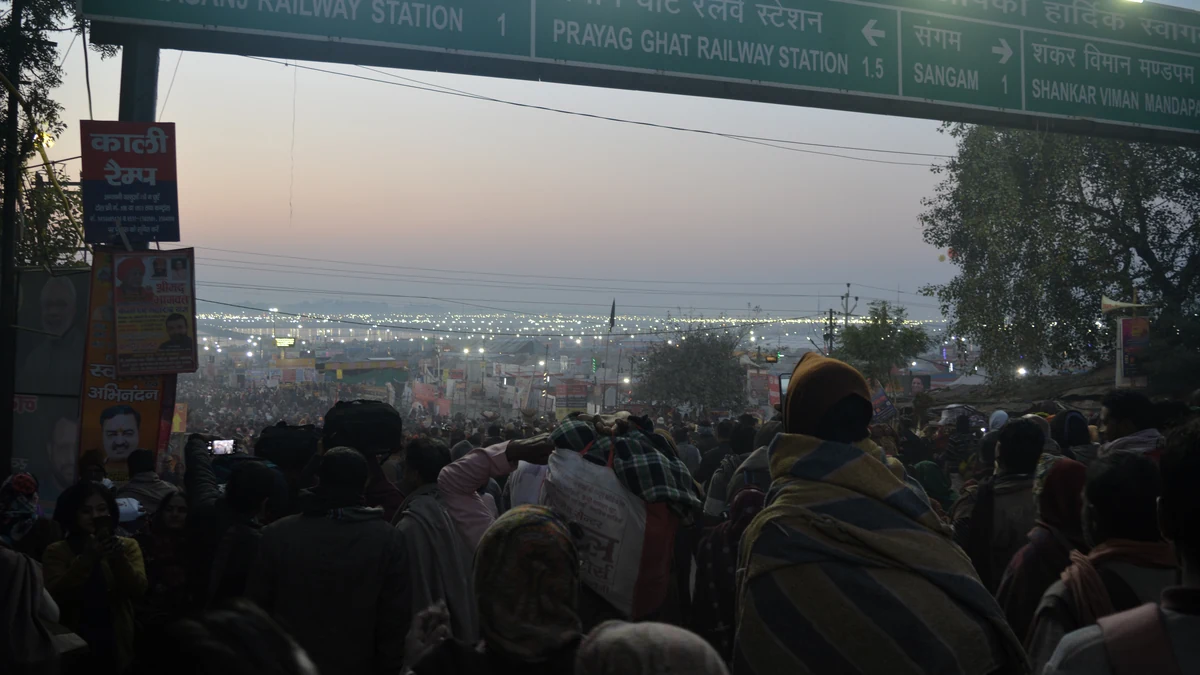
- Brahma Muhurat (Holy Dip & Sankalpa): 05:18 AM to 06:12 AM. The ideal time to bathe in sacred rivers like Ganga, Yamuna, Godavari, or Narmada, or to bathe at home by mixing Gangajal into the water.
- Morning Satyanarayan Katha Muhurat: 09:20 AM to 11:35 AM (Shubh & Labh Choghadiya). An auspicious window to set up the altar for Lord Satyanarayan at home and recite or listen to the sacred legend.
- Abhijit Muhurat (Auspicious Time for Charity): 11:55 AM to 12:38 PM. Donating food grains, warm clothes, sesame seeds, and monetary offerings (Dakshina) during this period bestows multiplied virtues.
- Purnima Moonrise & Arghya Muhurat: 05:15 PM. Catch sight of the moon and offer Arghya (water mixed with milk) to Chandra Dev.
Spiritual Significance of Margashirsha Purnima: A Confluence of 3 Sacred Festivals
Margashirsha Purnima is no ordinary full moon day; it marks the divine confluence of three major spiritual observances:
- Manifestation of Lord Dattatreya: Inspired by the unwavering virtue and devotion of Maharishi Atri and Mata Anasuya, the Holy Trinity (Brahma, Vishnu, and Mahesh) reincarnated in a unified divine form as Lord Dattatreya. He is revered as the Supreme Guru of all gurus.
- Maa Annapurna Jayanti: When the Earth faced a severe famine, Goddess Parvati assumed the form of Maa Annapurna in Kashi, offering alms to Lord Shiva and rescuing the entire universe from food scarcity.
- Satyanarayan Vrat & Katha: According to the Skanda Purana, listening to the Shri Satyanarayan Katha on Agahan Purnima eliminates poverty and ensures everlasting grace of Goddess Lakshmi in the household.
Shree Satyanarayan & Lord Dattatreya Puja Vidhi (Step-by-Step Guide)
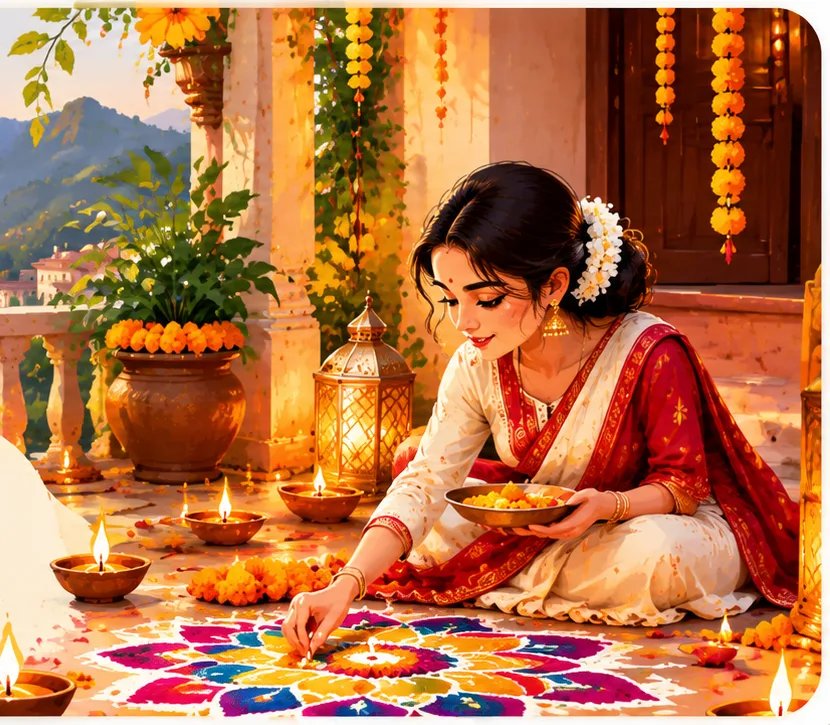
- Holy Bath & Purification: Wake up early, complete your bath, perform Achaman (purificatory sips of water), and wear clean yellow or white clothes.
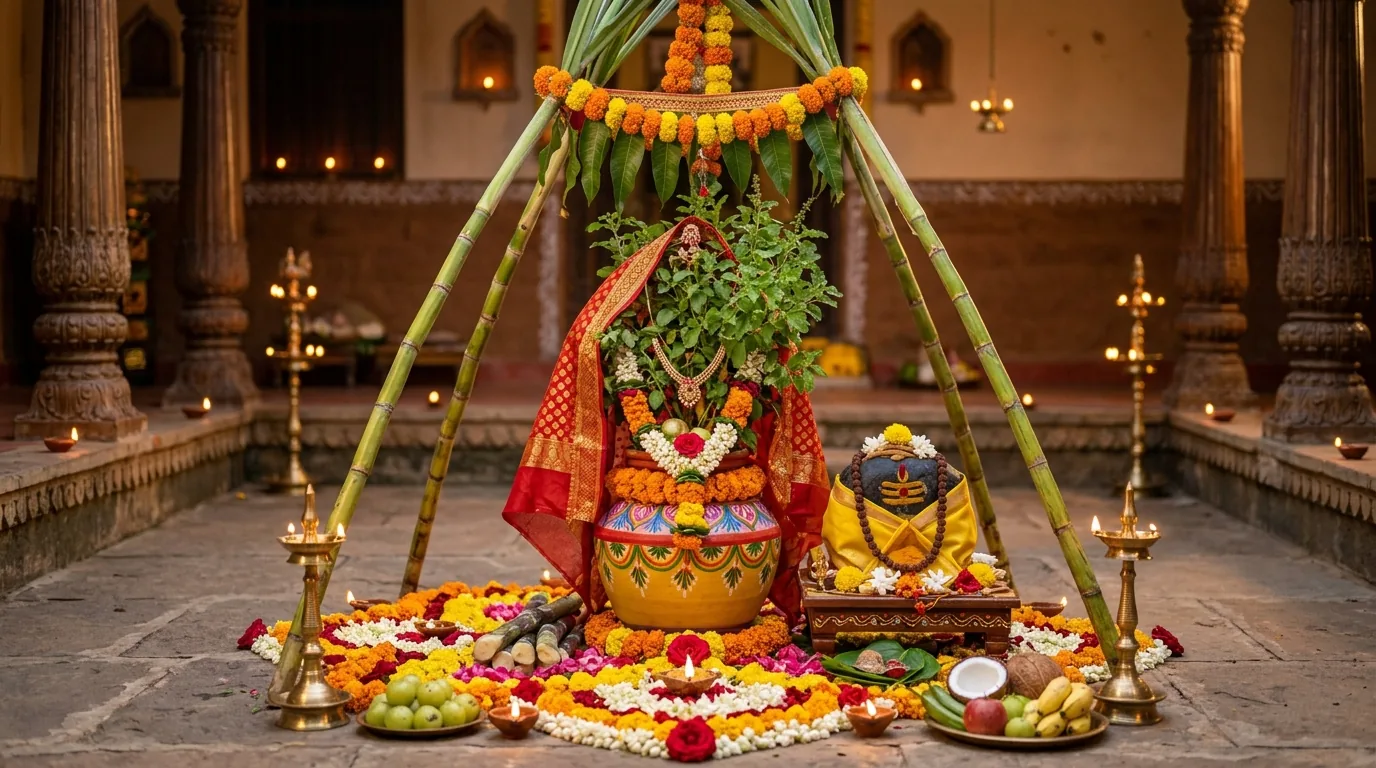
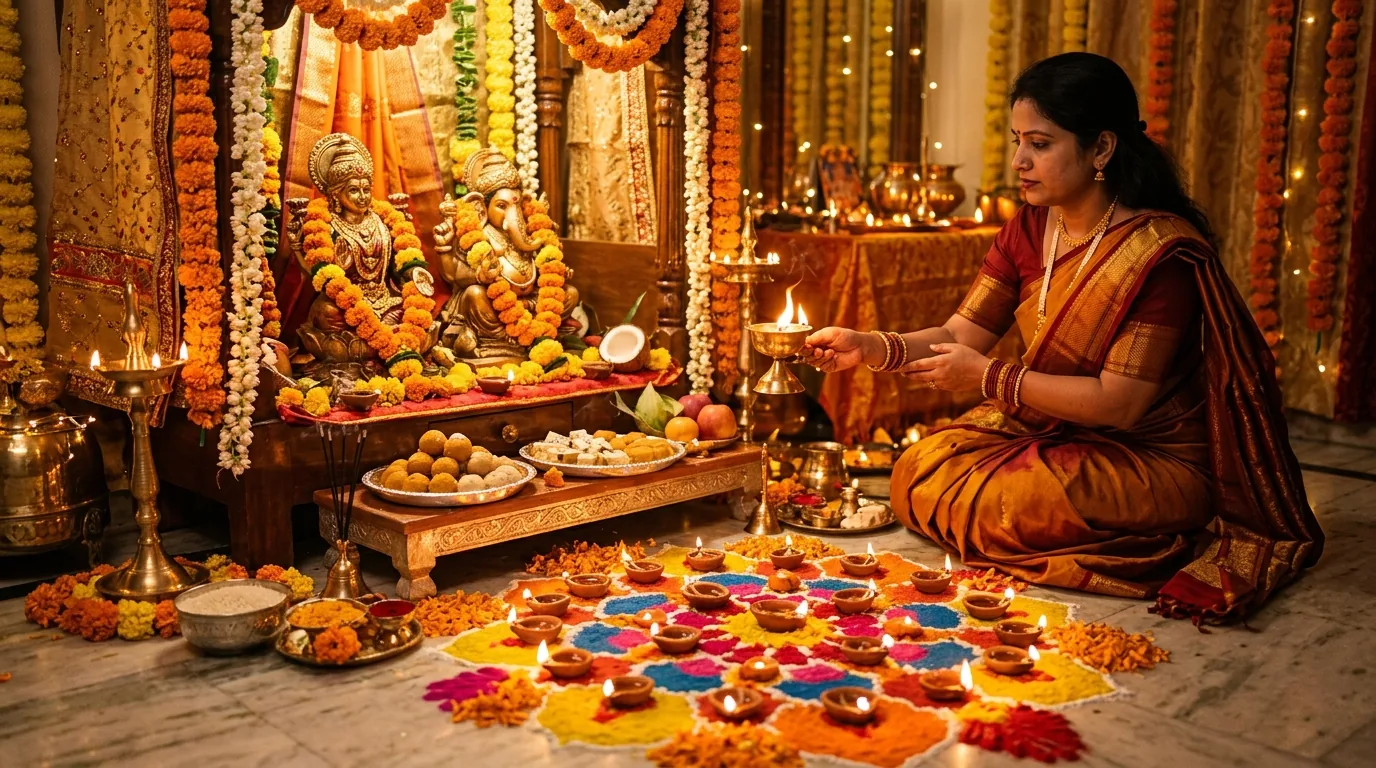
- Setting up the Altar: Spread a yellow cloth over a wooden stool (Chauki) in the Northeast (Ishan) direction. Construct a small mandap decorated with four banana trunks. Place a sacred Kalash at the center, adorned with mango leaves and a coconut.
- Idol Installation & Shodashopachar Worship: Install the idols or pictures of Lord Satyanarayan and Lord Dattatreya on the altar. Offer a ritual bath with Panchamrit, apply Roli-Chandan tilak, and offer unbroken rice (Akshat) along with yellow flowers.
- Offering Panjiri & Panchamrit Prasad: Roast wheat flour in pure ghee, mix it with sugar, banana slices, and Tulsi leaves to prepare the traditional Satyanarayan Panjiri (Prasad), and offer it to the Almighty.
- Reciting Satyanarayan Katha & Chanting: Listen to or recite all five chapters of the Shree Satyanarayan Katha with devotion, and chant Lord Dattatreya’s sacred mantra "Om Dram Dattatreyaya Namah".
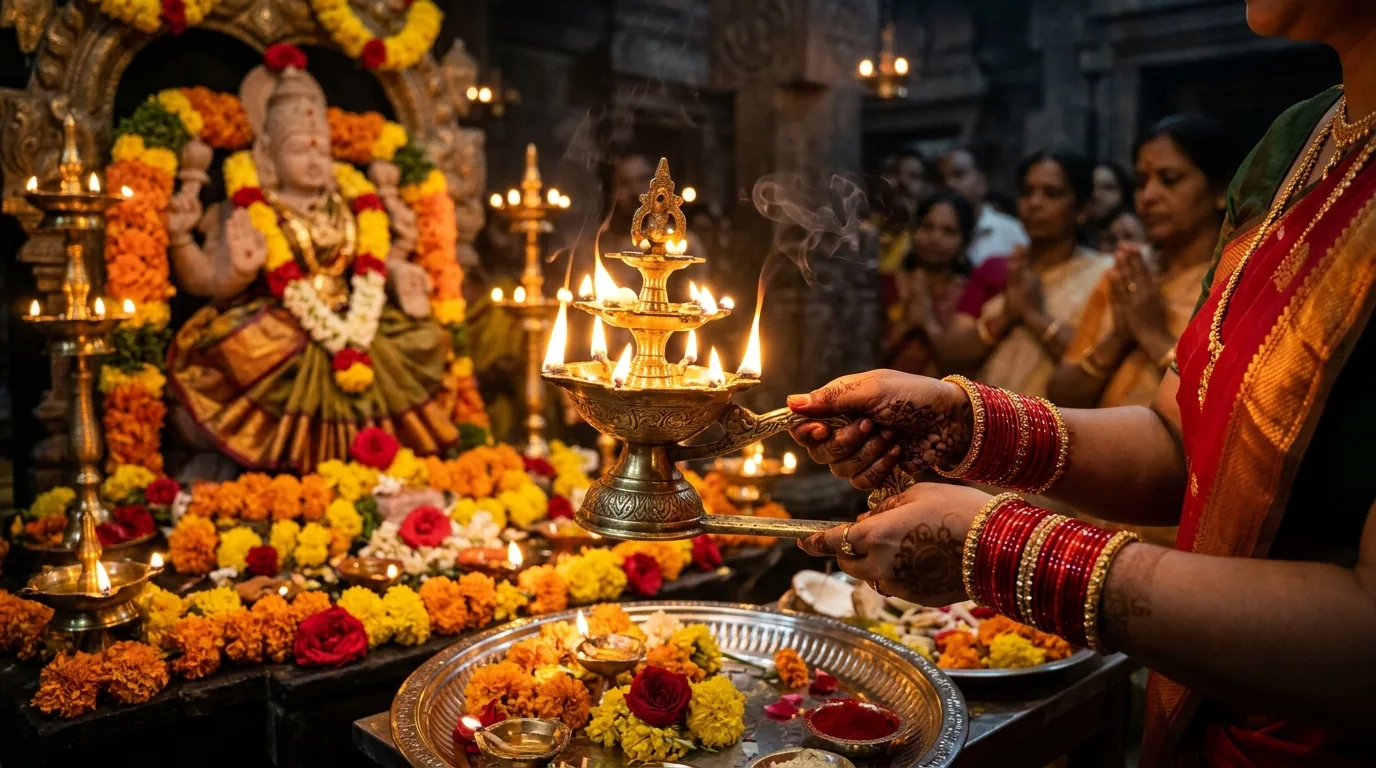
- Shankh Naad, Aarti & Moon Arghya: Conclude the prayer by blowing the conch shell (Shankh) and performing Aarti with camphor. At moonrise in the evening, offer Arghya to the Moon God using a silver vessel filled with raw milk and water.
The Sacred Manifestation Legend of Lord Dattatreya (Dattatreya Jayanti Katha)
According to mythological legends, Maharishi Atri's wife, Mata Anasuya, was renowned across all three worlds for her unmatched devotion, chastity (Pativrata Dharma), and penance. Inspired by Sage Narada to test her righteousness, the Holy Trinity—Brahma, Vishnu, and Mahesh—disguised themselves as ascetics and arrived at Sage Atri's hermitage. At that moment, Sage Atri was away from the ashram.
The Trinity requested alms from Mata Anasuya but placed a challenging condition: she must serve them food without wearing any clothes. Through her ascetic power, Mata Anasuya instantly recognized that these were no ordinary ascetics, but the Supreme Gods themselves. Invoking the power of her virtue and devotion, she sprinkled holy water from her Kamandalu over the Trinity.
Instantly, through her spiritual merits, Brahma, Vishnu, and Mahesh were transformed into six-month-old innocent infants. Mata Anasuya nurtured them with motherly affection, fed them, and placed them in a cradle. When the three Goddesses (Saraswati, Lakshmi, and Parvati) arrived at the ashram anxiously searching for their consorts, they humbly implored Mata Anasuya to restore their husbands to their original forms.
Pleased by their humility, Mata Anasuya restored the Trinity to their divine forms. In return, the pleased Gods granted her a boon that they would collectively take birth as her son. Thus, on Margashirsha Purnima, Lord Dattatreya manifested from the unified radiance of the Trinity. He possesses three heads and six arms, embodying the ultimate symbol of nature and the divine Guru lineage (Guru Parampara).
Importance of Charity on Margashirsha Purnima: What to Donate?
- Food Donation (Anna Dan): Donating food grains like rice, wheat flour, pulses, and ghee on this day earns the eternal blessings of Goddess Annapurna.
- Clothing & Blanket Donation: As Margashirsha coincides with the onset of winter, donating woolen blankets and warm clothing to the needy alleviates Sun and Saturn (Surya-Shani) afflictions in one's horoscope.
- Jaggery & Sesame Donation: Offering sesame seeds and jaggery brings peace to ancestors (Pitrus) and wards off the fear of untimely demise from the family.
Frequently Asked Questions (FAQs)
Q1: What is the ideal time to perform Satyanarayan Katha on Margashirsha Purnima?
Answer: On Margashirsha Purnima, performing or listening to the Shree Satyanarayan Katha between 09:20 AM and 11:35 AM in the morning, or after 05:20 PM during Godhuli Bela (dusk), is considered most fruitful.
Q2: What do the four dogs and the cow accompanying Lord Dattatreya symbolize?
Answer: The four dogs accompanying Lord Dattatreya represent the four Vedas (Rigveda, Yajurveda, Samaveda, Atharvaveda), while the Kamadhenu cow symbolizes Mother Earth and universal motherhood.
Q3: Why is Arghya offered to the Moon on Purnima?
Answer: In Vedic astrology, the Moon governs the mind and emotions. Offering Arghya of raw milk and water to Chandra Dev on Purnima relieves mental stress, pacifies Moon-related planetary flaws (Chandra Dosh), and grants peace and happiness.