When is Margashirsha Pradosh Vrat 2026? [Pradosh Kaal Puja Shubh Muhurat] Know Shiva Puja Vidhi, Auspicious Vrat Katha & Lamp Offering Rules
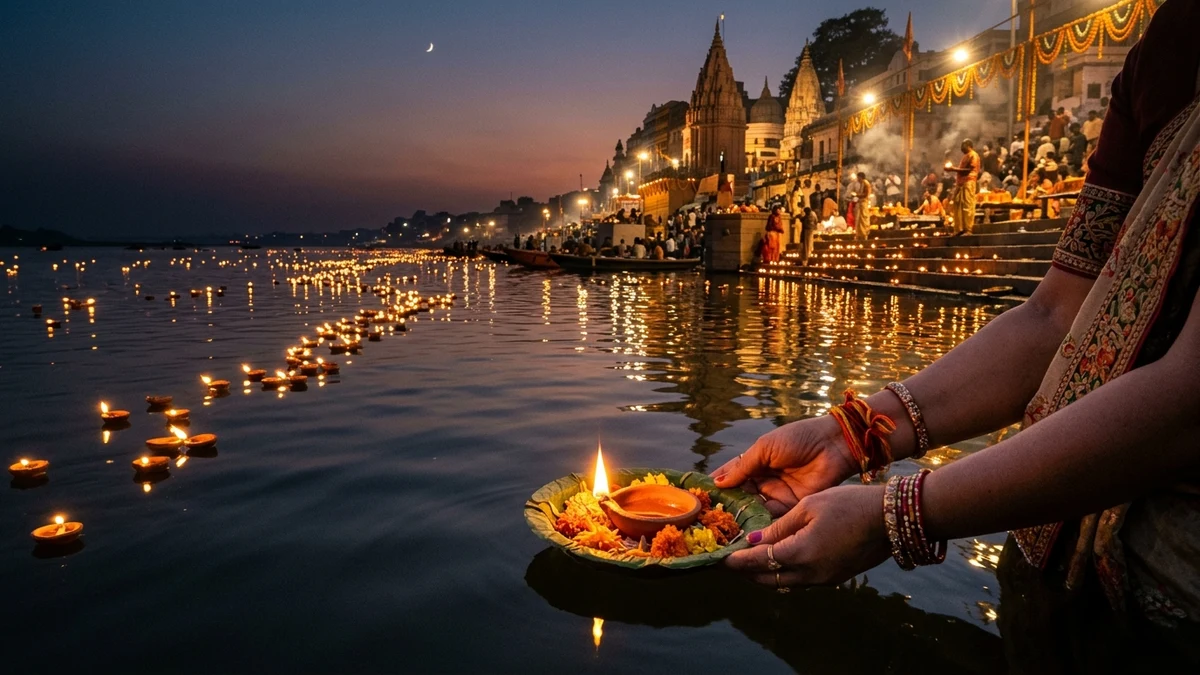
 AI-generated illustration
KEY HIGHLIGHTS
Discover the exact date for Margashirsha Pradosh Vrat 2026 alongside the most auspicious evening Pradosh Kaal puja muhurat. Learn the simple step-by-step Shivling Abhishekam ritual, essential fasting rules, and the sacred mythological story of Dharmagupta to invoke Lord Shiva's divine blessings and spiritual grace.
Margashirsha Pradosh Vrat 2026 (Margashirsha Pradosh Vrat 2026 Shubh Muhurat, Shiva Puja Vidhi & Katha): In Sanatan Dharma, Trayodashi Tithi (the thirteenth lunar day) is considered most sacred for worshipping and adoring Lord Mahadev, the Supreme Deity. The Pradosh Vrat is observed on the Trayodashi Tithi of both fortnights (Shukla Paksha and Krishna Paksha) every month. According to the Shiva Purana, the period of approximately two and a half hours following sunset is known as 'Pradosh Kaal'. During this sacred timeframe, Lord Shiva, alongside Goddess Parvati in an exceptionally blissful state, performs the divine Anand Tandava on Mount Kailash and fulfills every wish of His devotees.
Table of Contents
Observing the Pradosh Vrat in the sacred month of Margashirsha (Aghan) grants everlasting liberation from diseases, fear, poverty, and debt. In this comprehensive guide, let us learn in clear and simple detail the exact date of Margashirsha Pradosh Vrat 2026, the most precise Pradosh Kaal Puja Shubh Muhurat, a simple step-by-step Shivling Abhishek vidhi, the auspicious mythological Vrat Katha, and 5 key rules for Deepdan (lamp offering).
Margashirsha Pradosh Vrat 2026: Key Highlights & Quick Facts
| Details | Panchang & Timings (2026) |
|---|---|
| Sacred Festival / Fast | Margashirsha Pradosh Vrat |
| Hindu Tithi & Month | Margashirsha Month, Trayodashi Tithi |
| Presiding Deities | Lord Mahadev (Lord Shiva) and Mother Parvati |
| Primary Worship Period | Pradosh Kaal (2 hours 24 minutes after evening sunset) |
| Best Puja Muhurat | 05:25 PM to 08:06 PM |
| Fast Parana Time | Next day (Chaturdashi) after sunrise |
What is Pradosh Kaal and What is Its Religious Significance?
In the Hindu calendar, the duration starting 45 minutes prior to sunset and extending 45 minutes post-sunset (totaling approximately 1.5 to 2 hours 24 minutes) is termed Pradosh Kaal. The 'Kashi Khanda' of the Skanda Purana describes that during Pradosh Kaal, all gods, goddesses, Yakshas, Gandharvas, and venerated sages assemble on Mount Kailash to sing hymns in praise of Lord Shiva. Offering just a single pot of pure water and one unbroken Belpatra to the Shivling during this window yields religious merit equivalent to performing an Ashvamedha Yajna.
Most Accurate Puja Shubh Muhurat for Margashirsha Pradosh Vrat 2026
- Pradosh Kaal Special Puja Muhurat: 05:25 PM to 08:06 PM. This timeframe is most auspicious for performing the elaborate Shodashopachara worship of Lord Shiva and Goddess Parvati.
- Abhijit Muhurat (Daytime Sankalp Time): 11:52 AM to 12:35 PM. Ideal for devotees planning to visit a Shiva temple during the day for Darshan and taking the fast pledge (Sankalp).
- Nishita Kaal (Mantra Sadhana Muhurat): 11:42 PM to 12:36 AM (Midnight). Chanting the 'Mahamrityunjaya Mantra' or the 'Panchakshari Mantra' during this midnight hour offers protection against severe and incurable ailments.
Simple & Scriptural Shivling Puja Vidhi (Step-by-Step Rituals)
The core ritual of Pradosh Vrat revolves around evening worship. You can perform the puja at home or at a nearby Shiva temple following these steps:
- Evening Bath & Clean Attire: Take a fresh bath before sunset in the evening, or cleanse your hands, feet, and face thoroughly. Wear clean white or light-colored attire.
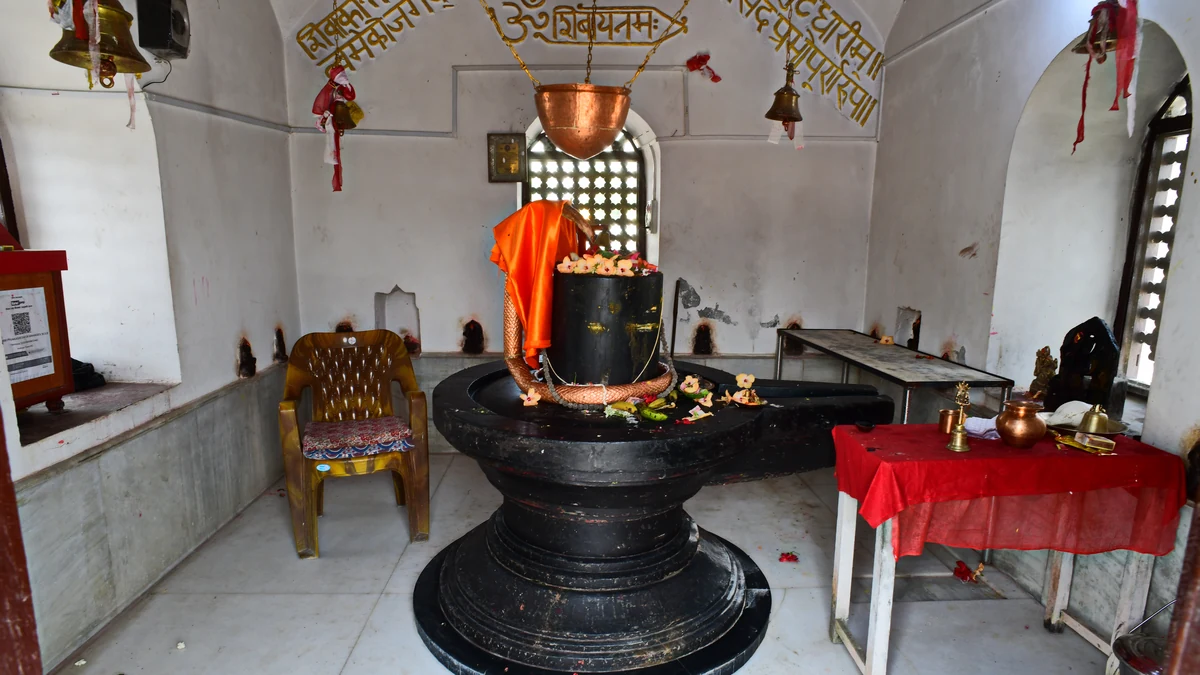
- Altar & Shivling Setup: Sit facing the North direction in your home temple. Place the Shivling in a copper or brass tray (remember, water must be offered through a copper vessel, while milk should be offered using silver or brass).
- Panchamrit & Gangajal Abhishek: Bathe the Shivling first with holy Gangajal. Then, perform Abhishek with raw cow's milk, curd, ghee, honey, and sugar (Panchamrit). Conclude by bathing the deity once more with pure water.
- Chandan Tripundra & Bhasma: Apply a three-lined Tripundra mark on the Shivling using white sandalwood paste, and offer natural scent (Itra) along with sacred ash (Bhasma).
- Offering Belpatra, Dhatura & Shami Leaves: Offer at least 11 or 21 smooth, intact Belpatra leaves (placed smooth side down) while chanting "Om Namah Shivaya". Also offer Bhang, Dhatura, white Madar (Aak) flowers, and Shami leaves.
- Worship of Goddess Parvati & Nandi: Offer red Sindoor, a red Chunri, and cosmetic items (Shringar) to Goddess Parvati (note: Sindoor or turmeric should never be applied directly onto the Shivling). Offer water and Durva grass to Nandi Ji.
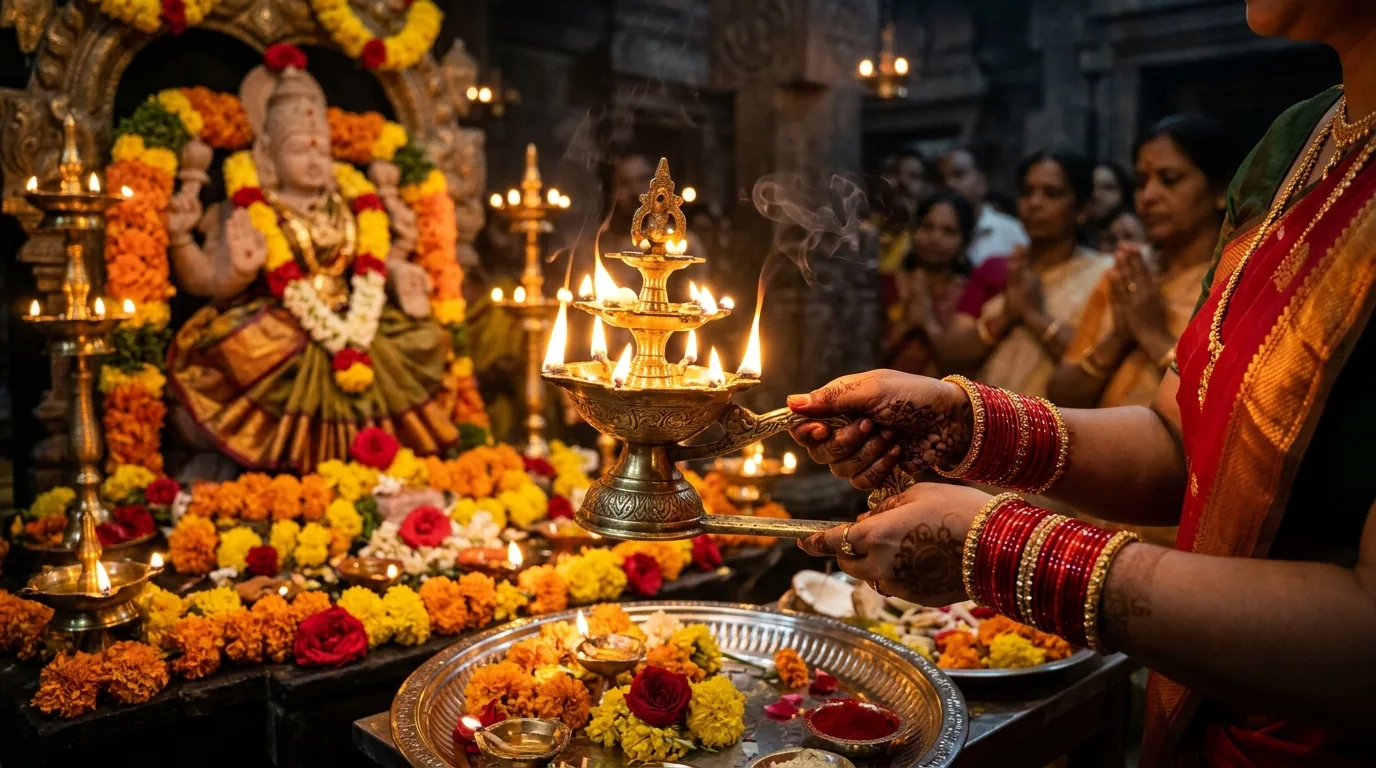
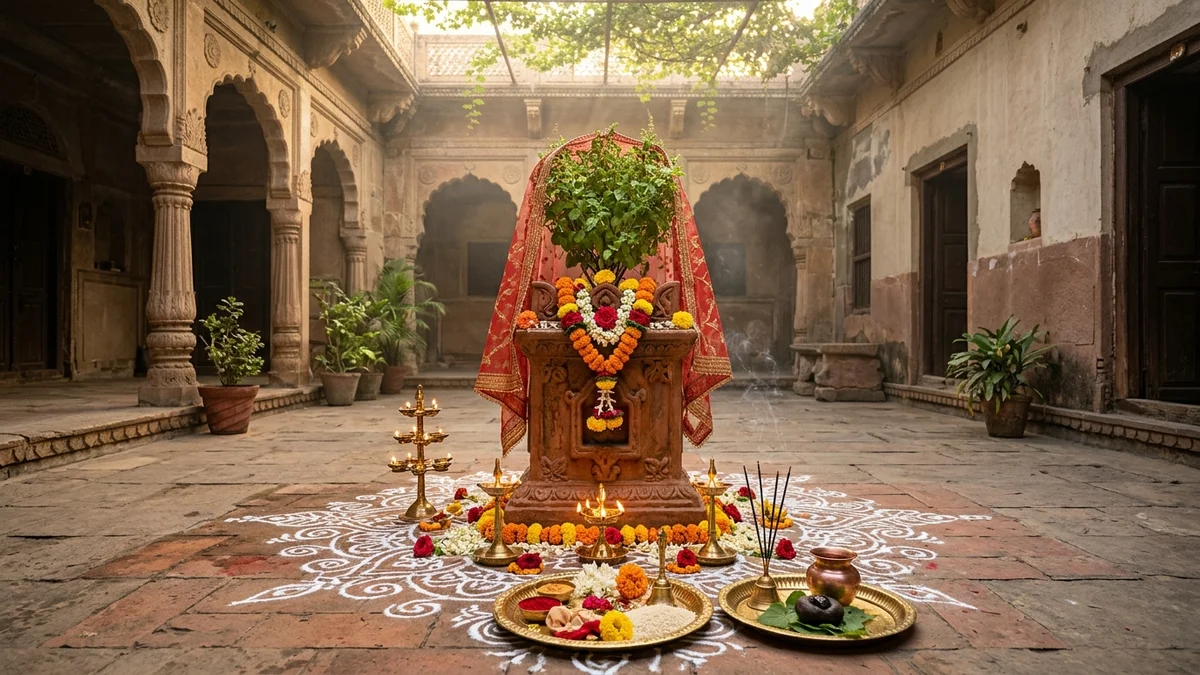
- Pradosh Vrat Katha & Maha Aarti: Light a five-faced ghee lamp (Panchmukhi Deepak) and read or recite the traditional Pradosh Vrat Katha. Conclude by lighting camphor and performing the sacred Aarti of Lord Shiva.
Legendary Mythological Story of Margashirsha Pradosh Vrat (Vrat Katha)
According to ancient lore, there once lived a destitute Brahmin widow. Her husband had passed away, and she managed to survive by begging for alms alongside her young son.
One day, while returning after begging, the Brahmin woman found a young boy groaning in pain along a riverbank. That child was Prince Dharmagupta of the Vidarbha kingdom, whose father had been slain in battle by enemy forces who seized their realm. The compassionate Brahmin woman brought the orphaned prince to her home and raised him lovingly alongside her own son.
As time passed, the Brahmin woman took both boys to the ashram of Maharishi Shandilya. Discerning the boys' destiny through his divine vision, Maharishi Shandilya extolled the glory of Lord Shiva's Pradosh Vrat to the Brahmin woman and instructed her to observe the fast with full scriptural rituals. The Brahmin woman and both children began observing the Pradosh Vrat with unshakeable faith.
One afternoon, while Prince Dharmagupta was wandering through a forest, a Gandharva princess named Anshumati was strolling there with her friends. The prince and Anshumati instantly fell in love. When Gandharvaraj Vidravik learned that the youth was the Prince of Vidarbha, inspired by Lord Shiva, he arranged the marriage of his daughter with Dharmagupta.
With the support of the Gandharva army, Prince Dharmagupta attacked his adversaries, defeated them, and reclaimed his rightful kingdom. He honored the poor Brahmin woman and her son by giving them the highest positions in his royal court. All of this came to pass through the miraculous grace of Mother Parvati and Lord Shiva's Pradosh Vrat. Anyone who observes this fast with sincere devotion is relieved of all hardship and poverty in life.
5 Key Rules for Deepdan (Lamp Offering) on Pradosh Vrat Day
- Lamp at the Shiva Temple: Be sure to light a cow ghee lamp at the entrance or threshold of an ancient Shiva temple in the evening.
- Lamp at the Base of the Belpatra Tree: Lighting a lamp under a Belpatra tree during Pradosh Kaal attracts the eternal blessings of Lord Kuber's treasury.
- Lamp at the Home Threshold: Placing lit lamps on both sides of your main entrance prevents negative energies from entering your home.
Frequently Asked Questions (FAQs)
Question 1: When should one break the fast or eat during Pradosh Vrat?
Answer: During Pradosh Vrat, devotees abstain from regular food or consume a light fruit diet (Falahar) during the day. Fruits or fast-permitted food are partaken in the evening only after completing the ritualistic worship and Aarti of Lord Shiva during Pradosh Kaal. Regular grain food (Paran) is taken the following morning after sunrise.
Question 2: Can turmeric or Tulsi leaves be offered on a Shivling?
Answer: No. According to sacred scriptures, offering turmeric (Haldi), Ketaki flowers, Tulsi leaves, and Kumkum on the Shivling is strictly forbidden. Lord Shiva accepts and favors white sandalwood paste, Bhasma (sacred ash), and Belpatra leaves.